 India
India  UK
UK USA
USA 
Security has moved far beyond guards watching multiple screens in a control room. Organizations, governments, and enterprises now rely on AI surveillance to monitor environments, detect risks, and respond to threats as they happen. What once demanded constant manual supervision and hours of recorded footage review now runs through intelligent systems that analyze patterns within seconds.
From smart cities and corporate offices to warehouses and retail stores, advanced monitoring technologies have transformed how businesses approach safety and risk management. By combining artificial intelligence, computer vision, and data analytics, these systems deliver automated, accurate, and scalable protection that adapts to modern security demands.
This blog explores how this intelligent monitoring technology works, its key benefits, real-world applications, ethical considerations, and how companies like Globussoft are advancing innovation in this rapidly evolving field.
Listen To The Podcast Now!
What Is AI Surveillance?
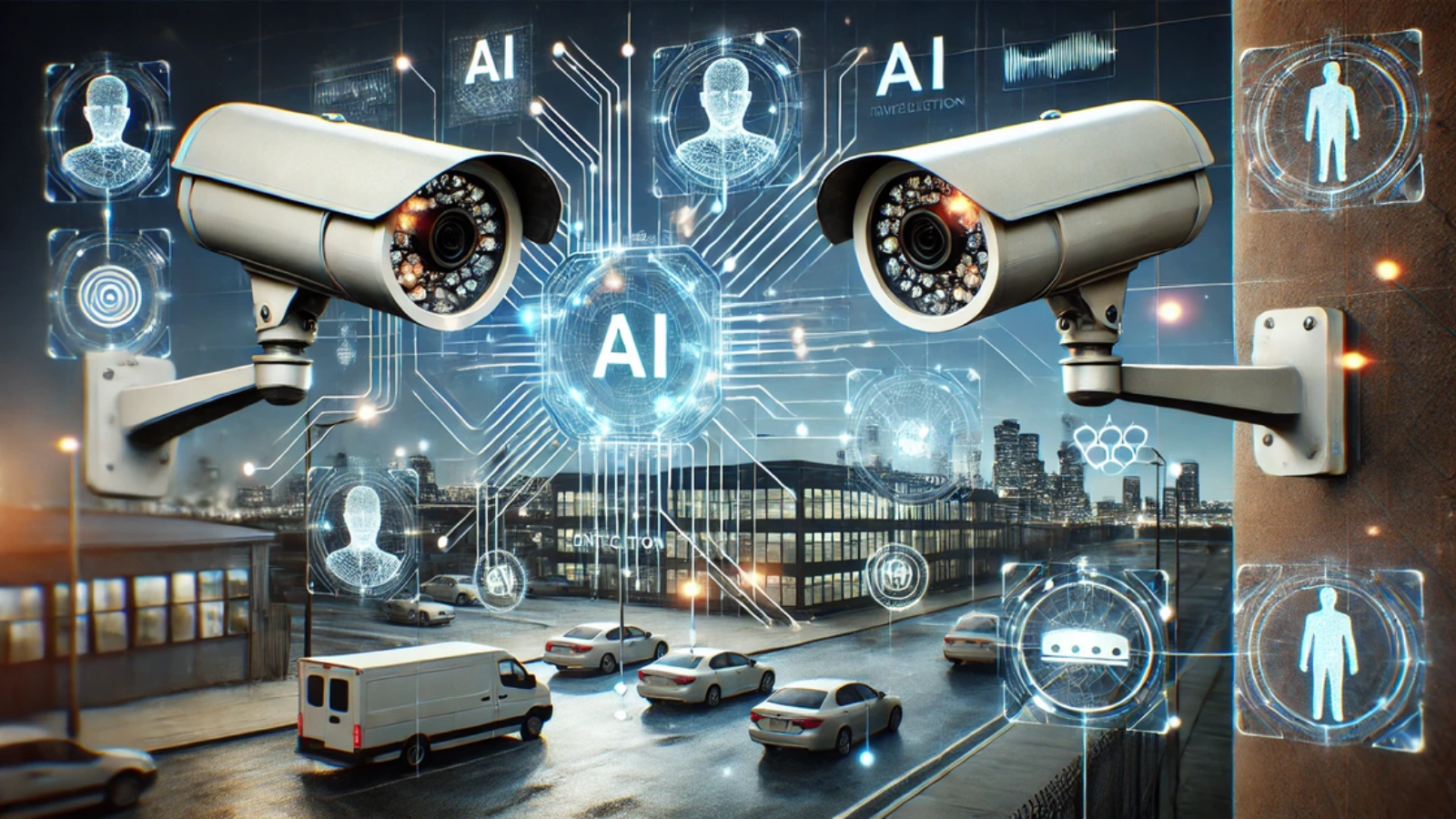
It refers to the use of artificial intelligence technologies to monitor, analyze, and interpret visual or audio data. Unlike traditional CCTV systems that simply record footage, intelligent surveillance systems analyze data in real time.
These systems detect unusual behavior, recognize faces, identify objects, track movement patterns, and trigger alerts when predefined conditions occur. Instead of reacting after an incident, AI-powered monitoring enables proactive risk management.
By combining machine learning algorithms and high-resolution cameras, businesses gain actionable insights rather than just recorded footage.
How AI Surveillance Works?
To understand the impact of AI-powered monitoring, we must look at the underlying technology stack.
1. Computer Vision:
Computer vision allows systems to interpret and process visual information from cameras. It identifies objects, people, vehicles, and behaviors.
2. Machine Learning Algorithms:
Machine learning models train on large datasets. Over time, these systems improve accuracy and reduce false positives.
3. Real-Time Data Processing:
Modern AI-powered monitoring platforms process data instantly. If someone crosses a restricted boundary or leaves an unattended object, the system generates alerts immediately.
4. Edge Computing:
Edge devices process data locally rather than sending everything to cloud servers. This approach improves speed and protects sensitive data. In industrial, transport, or outdoor security environments, rugged computers can support edge processing by handling surveillance data reliably in demanding conditions.
Together, these technologies create a robust and adaptive AI surveillance ecosystem.
Why Businesses Are Investing In AI Surveillance?

Organizations across industries adopt AI surveillance because it delivers measurable benefits beyond traditional monitoring.
Improved Threat Detection:
Human operators can miss critical moments due to fatigue. Intelligent systems operate continuously without distraction. AI-powered monitoring detects suspicious behavior with high precision.
Cost Efficiency:
Companies reduce reliance on large security teams. While human oversight remains important, AI surveillance optimizes workforce deployment.
Scalability:
Expanding surveillance infrastructure becomes easier. Businesses can monitor multiple locations from a centralized dashboard using advanced AI-powered monitoring tools.
Faster Incident Response:
Real-time alerts enable immediate action. Instead of reviewing footage after an event, teams respond as incidents unfold.
What Are The Key Features Of Modern AI Surveillance Systems?
Advanced AI-powered monitoring platforms include multiple intelligent capabilities that transform traditional monitoring into proactive security management.
Face Recognition
Intrusion Detection
Intrusion detection analyzes movement patterns and identifies unusual activity. If someone enters a restricted zone, the system immediately flags the incident and alerts security teams.
Object Detection
Object detection helps recognize suspicious, misplaced, or restricted items. Retailers, Airports, and warehouses rely on this capability to strengthen situational awareness and prevent operational disruptions.
Unauthorized Access Alerts
This feature secures sensitive areas by sending instant notifications when unauthorized personnel attempt entry, allowing rapid intervention.
Fire and Smoke Detection
Intelligent algorithms detect early signs of fire or smoke. AI-powered monitoring systems often identify hazards faster than manual observation, reducing potential damage.
Line Cross Detection
Virtual boundary monitoring triggers alerts whenever an individual crosses predefined lines, enhancing perimeter protection.
Unattended Baggage Detection
Airports, transit stations, and public venues use this feature to quickly detect unattended items and minimize security risks.
Cashier Absence Detection
Retail environments use intelligent monitoring to track cashier presence, reduce service delays, and improve customer satisfaction.
Number Plate Detection
License plate recognition enables efficient vehicle tracking for parking management, traffic control, and law enforcement support.
These advanced capabilities demonstrate how intelligent monitoring goes beyond simple video recording to deliver proactive risk prevention and operational insights. A software solution like VideoraIQ includes all these features, perfectly aligning with modern enterprise security needs, and is powered by Globussoft.
Also Read:
How To Enhance Security With AI Video Surveillance?
How Is AI Surveillance Transforming Different Industries?
Modern industries demand smarter, faster, and more proactive security solutions. AI surveillance goes far beyond traditional camera setups by turning live video feeds into real-time intelligence that strengthens safety, improves operational visibility, and minimizes risks across diverse sectors.
Instead of relying only on recorded footage, organizations now use intelligent analytics to detect patterns, identify anomalies, and respond instantly to potential threats.
By combining automation with data-driven insights, businesses can enhance both security and efficiency at the same time. From public infrastructure to private enterprises, advanced monitoring systems are redefining how industries manage safety, compliance, and performance.
Here’s how different industries benefit:
Smart Cities:
Governments use AI-powered monitoring and advanced AI services to build safer and more efficient urban environments. Intelligent systems help manage traffic congestion through real-time vehicle tracking and signal optimization. They also monitor public areas to detect suspicious activities quickly, supporting law enforcement with faster incident response.
Data collected from these AI-driven monitoring systems and AI services further assists city planners in improving infrastructure planning and resource allocation.
Retail:
Retail businesses implement AI surveillance to reduce shoplifting, monitor high-risk zones, and enhance overall store security. Beyond theft prevention, retailers analyze customer movement patterns to optimize store layouts and product placement.
These insights help improve staffing strategies, reduce checkout delays, and enhance customer experience.
Healthcare:
Hospitals and healthcare facilities rely on advanced monitoring systems to secure restricted areas such as operating rooms, pharmacies, and data centers. Intelligent video analytics help ensure patient safety by tracking unusual activity and preventing unauthorized access.
These systems also assist in maintaining compliance with healthcare safety regulations.
Manufacturing:
Factories deploy AI-powered monitoring to enforce workplace safety standards and monitor employee compliance with protective measures. Real-time detection helps identify unsafe behavior, machinery misuse, or restricted area access.
This proactive monitoring reduces accidents, prevents downtime, and protects valuable equipment.
Transportation:
Airports, railway stations, and transit hubs use AI-powered monitoring to monitor passenger flow and detect anomalies in crowded environments. Intelligent systems support baggage monitoring, perimeter security, and vehicle tracking.
These capabilities strengthen safety protocols while improving operational efficiency in high-traffic locations.
Read More:
AI as a Service Solutions: Unlocking Business Potential
What Are The Ethical Concerns And Privacy Considerations Of AI Surveillance?
While AI-powered monitoring delivers significant security and operational advantages, organizations must address important ethical and privacy challenges to ensure responsible use.
Data Security:
Businesses must protect recorded and processed data through strong encryption, secure storage systems, and controlled access management. Compliance with regional and international data protection regulations is essential to prevent misuse and unauthorized exposure of sensitive information.
Transparency:
Organizations should clearly communicate where and why they implement intelligent monitoring systems. Transparent policies help build trust with employees, customers, and the public while ensuring accountability in surveillance practices.
Bias in Algorithms:
AI models rely on training data, and poorly trained systems may produce biased or inaccurate outcomes. Developers must use diverse datasets and continuously audit performance to reduce discrimination and improve fairness.
When organizations prioritize ethics, compliance, and responsible deployment, AI surveillance can enhance safety and efficiency without compromising individual rights or public trust.
The Role Of Globussoft In AI Surveillance Innovation
Globussoft plays a significant role in advancing intelligent security technologies by building scalable, enterprise-grade digital solutions. With deep expertise in artificial intelligence and automation, the company enables organizations to modernize monitoring systems without disrupting existing infrastructure. Its development approach focuses on innovation combined with real-world usability.
Globussoft stands out because of:
- Strong expertise in AI-driven software development
- Scalable solutions designed for multi-location enterprises
- Seamless integration with existing security infrastructure
- Focus on performance, reliability, and data protection
- User-friendly platforms built for operational efficiency
These strengths allow businesses to confidently implement advanced monitoring systems while maintaining control, flexibility, and security.
What Makes VideoraIQ A Game-Changer In Intelligent Video Monitoring?
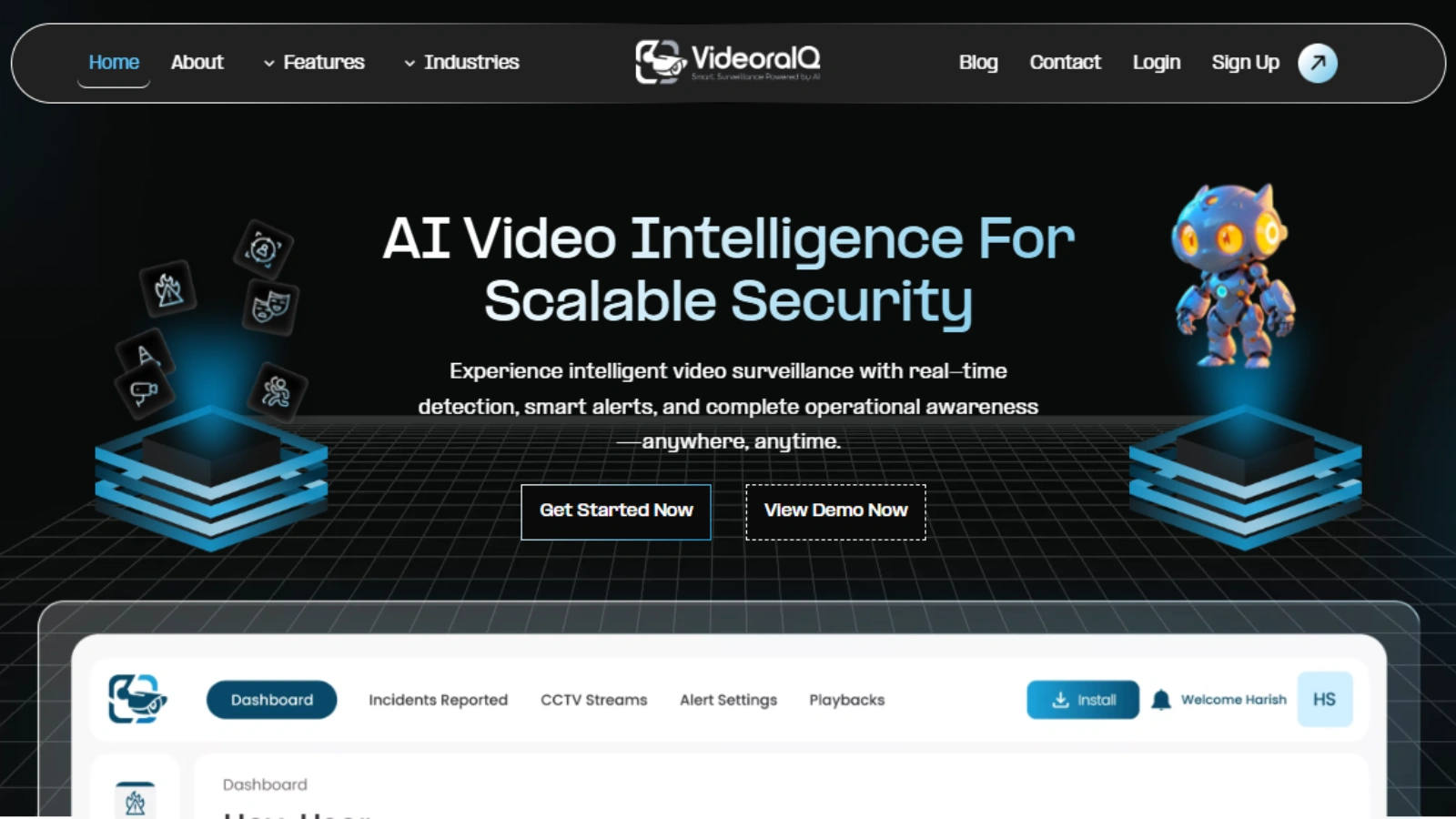
VideoraIQ is an advanced video analytics platform designed to transform how every AI-powered monitoring camera operates within a modern security ecosystem. Instead of simply recording footage, it intelligently analyzes live video streams in real time and converts them into actionable insights that improve response speed and situational awareness.
The platform enables centralized monitoring across multiple locations, making it ideal for enterprises that manage distributed operations. By turning standard camera feeds into intelligent data points, it enhances visibility without increasing manual workload.
Built for scalability and seamless integration, VideoraIQ works efficiently with existing camera networks and security frameworks, reducing deployment complexity. It also emphasizes strong data protection and controlled access management to ensure secure handling of sensitive information. Powered by Globussoft, the platform strengthens AI surveillance strategies by delivering smarter, faster, and more reliable monitoring for modern enterprises.
What Are The Future Trends In AI Surveillance?
Technology continues to evolve rapidly, and intelligent monitoring systems are becoming more advanced, connected, and predictive. Emerging innovations will not only improve detection accuracy but also expand scalability and strengthen data protection across industries.
Here are the key trends shaping the future:
- Integration with IoT: Smart sensors and connected devices will enhance AI-powered monitoring systems. Integrated ecosystems will deliver holistic monitoring solutions.
- Predictive Analytics: Future systems will not only detect incidents but predict them based on behavior patterns.
- Cloud-Based Scalability: Cloud infrastructure will make AI-powered monitoring more accessible to small and mid-sized enterprises.
- Enhanced Cybersecurity: As threats evolve, developers will strengthen encryption and secure architecture.
What Challenges Do Organizations Face In AI Surveillance Deployment?
Adopting intelligent monitoring systems offers significant advantages, but organizations must carefully plan their implementation strategy to overcome certain challenges.
Implementation Costs:
The initial deployment often requires investment in upgraded cameras, storage systems, software platforms, and network infrastructure. While long-term efficiency offsets these costs, businesses must allocate budgets strategically during the early stages.
Technical Complexity:
Integrating advanced analytics with existing infrastructure can require technical expertise. Organizations must ensure system compatibility, stable network performance, and proper configuration to achieve optimal results.
Regulatory Compliance:
Businesses must align their monitoring practices with data protection and privacy regulations. Clear policies, secure data handling procedures, and regular audits help maintain compliance and avoid legal risks.
Despite these challenges, the long-term security, operational efficiency, and risk reduction benefits of AI-powered monitoring make it a valuable investment for forward-thinking organizations.
How Can Organizations Balance Security and Privacy?
Responsible deployment requires a careful balance between protection and individual rights. Organizations must define clear objectives before implementing AI surveillance and ensure that monitoring serves a specific, justified purpose rather than broad or unnecessary tracking.
They should limit monitoring to essential areas, maintain transparent communication about data usage, and implement strong encryption and access controls to safeguard sensitive information. Regular audits, policy reviews, and compliance checks further help maintain accountability.
By aligning security goals with ethical standards, businesses can strengthen protection measures while respecting privacy and maintaining public trust.
How To Choose The Right AI Surveillance Solution?
When selecting a system, businesses should consider:
- Scalability
- Real-time processing capabilities
- Integration options
- Compliance support
- User-friendly interface
Platforms like VideoraIQ demonstrate how modern AI surveillance solutions combine advanced analytics with ease of deployment.
Conclusion
Security no longer relies solely on human observation. Intelligent systems now analyze, predict, and respond faster than ever before. AI surveillance represents a major shift in how organizations approach safety and operational efficiency.
From smart cities and retail stores to factories and corporate offices, its impact spans every industry. With platforms like VideoraIQ developed by Globussoft, businesses gain access to scalable and feature-rich solutions designed for modern challenges.
As technology advances, AI-powered monitoring will continue to evolve, offering smarter, faster, and more ethical monitoring capabilities. Organizations that adopt these intelligent systems today position themselves for a safer and more efficient tomorrow.
FAQs
1. How Is AI Used in Surveillance?
AI is used in surveillance to analyze video feeds in real time, detect unusual behavior, recognize faces, identify objects, and trigger automated alerts. Instead of relying on manual monitoring, intelligent systems process large volumes of visual data instantly, helping organizations prevent threats, improve response time, and enhance overall security efficiency.
2. How accurate are intelligent video analytics systems?
Accuracy depends on training data quality, camera resolution, and environmental factors. High-quality systems trained on diverse datasets can achieve very high detection precision while minimizing false alerts. Continuous model updates further improve performance over time.
3. Is AI surveillance suitable for small businesses?
Yes. Scalable solutions allow small and mid-sized businesses to implement AI-powered monitoring without investing in large infrastructure. Cloud-based deployment models reduce upfront costs and make advanced monitoring accessible to growing companies.
4. Is face recognition safe for enterprise use?
When deployed responsibly with encryption, secure data storage, and regulatory compliance, face recognition can enhance access control and identity verification while protecting sensitive information.
5. How scalable are modern AI video analytics platforms?
Modern platforms are highly scalable. Organizations can start with a few cameras and expand across multiple locations without redesigning the entire system.
Quick Search Our Blogs
Type in keywords and get instant access to related blog posts.

 +91 8767115115