 India
India  UK
UK USA
USA 
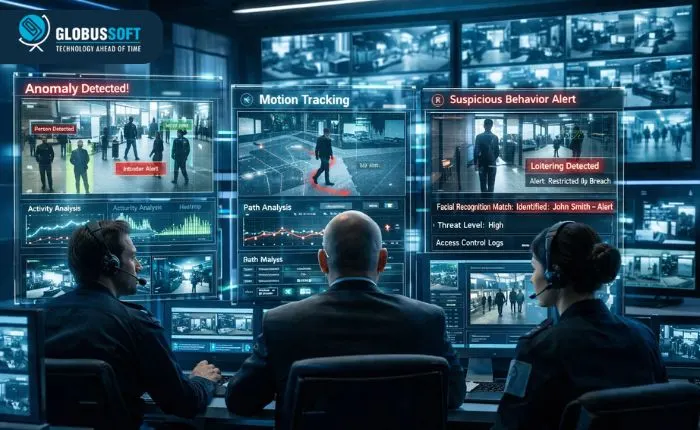
Security and operational efficiency are no longer treated as separate priorities. Organizations today are expected to protect assets, people, and data while also improving workflows, reducing costs, and making smarter decisions. This is where video analytics plays a crucial role, turning passive camera footage into an active source of intelligence.
Traditional video systems were designed mainly for recording and playback. While they still serve a purpose, they often require constant human attention and offer limited insight beyond what the eye can see. Modern analytics-driven systems, on the other hand, can automatically detect patterns, identify unusual behavior, and generate actionable alerts in real time. This shift allows businesses to move from reactive monitoring to proactive decision-making.
By combining artificial intelligence with visual data, video analytics strengthens security measures and enhances everyday operations across industries. From detecting threats early to uncovering inefficiencies in workflows, it helps organizations gain measurable value from existing camera infrastructure. As security challenges grow more complex and operational demands increase, intelligent video analysis is becoming an essential part of modern business strategy.
You can listen to this Blog here.
What Is Video Analytics?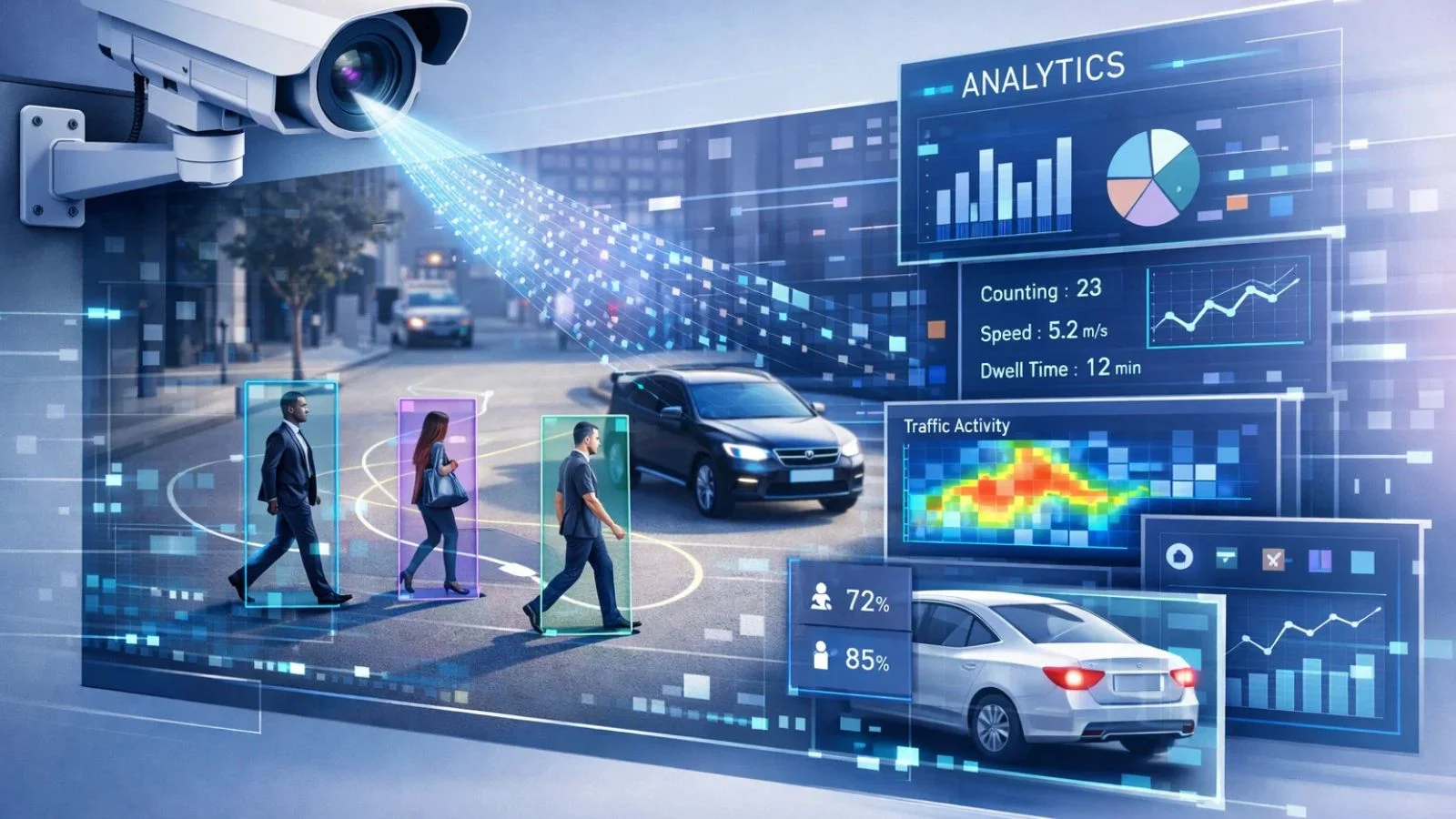
Video analytics refers to the use of artificial intelligence and machine learning to automatically interpret and analyze video footage. Instead of simply recording events, intelligent systems examine visual data in real time to identify objects, movements, and behaviors that matter. This enables cameras to move beyond passive video surveillance and become active tools for insight and decision-making.
At its core, video analytics works by applying algorithms that can recognize people, vehicles, and objects, track their movement, and detect predefined patterns. These systems can flag unusual activity, count occurrences, or measure trends over time without requiring constant human supervision. The result is faster response, higher accuracy, and more efficient use of security resources.
Unlike traditional CCTV setups that rely on manual review, modern solutions analyze footage continuously and generate alerts or reports automatically. This makes video analytics especially valuable in environments with high foot traffic or large-scale operations, where monitoring every screen manually is impractical. By transforming raw video into structured data, organizations gain a clearer understanding of both security events and operational performance.
Why Traditional Video Monitoring Falls Short?
Traditional video monitoring systems depend heavily on human attention. Security personnel are expected to watch multiple screens for extended periods, making it easy to miss critical events. Fatigue, distractions, and delayed reactions often reduce the effectiveness of manual surveillance, especially in high-risk or high-traffic environments.
Another limitation is the reactive nature of conventional monitoring. Incidents are usually reviewed after they occur, which limits the ability to prevent threats or respond in real time. Without intelligent analysis, video footage becomes a passive record rather than a proactive security tool. This delay can result in increased losses, safety risks, and operational disruptions.
Scalability is also a major challenge. As organizations grow, adding more cameras does not necessarily improve security or efficiency. Instead, it increases the volume of footage that must be reviewed, creating data overload. Video analytics addresses these gaps by automating detection, reducing false alarms, and ensuring that attention is focused only on events that truly matter.
How Video Analytics Enhances Security
Modern security demands faster response times and greater accuracy than manual monitoring can provide. By continuously analyzing live footage, video analytics helps security teams detect potential threats as they occur rather than after an incident has already escalated. This real-time awareness significantly reduces risk across facilities of all sizes.
One of the biggest advantages is intelligent threat detection. Systems can be configured to identify unauthorized access, loitering in restricted areas, or movement during non-operational hours. Instead of relying on constant human observation, alerts are triggered automatically when predefined conditions are met, allowing teams to respond immediately.
Another key benefit is the reduction of false alarms. Traditional motion-based alerts often activate due to irrelevant activity such as lighting changes or environmental movement. Advanced analytics can distinguish between normal and suspicious behavior, ensuring alerts are meaningful. As a result, security personnel can focus on genuine threats, improving overall safety while using resources more efficiently.
Improving Operational Efficiency With Video Analytics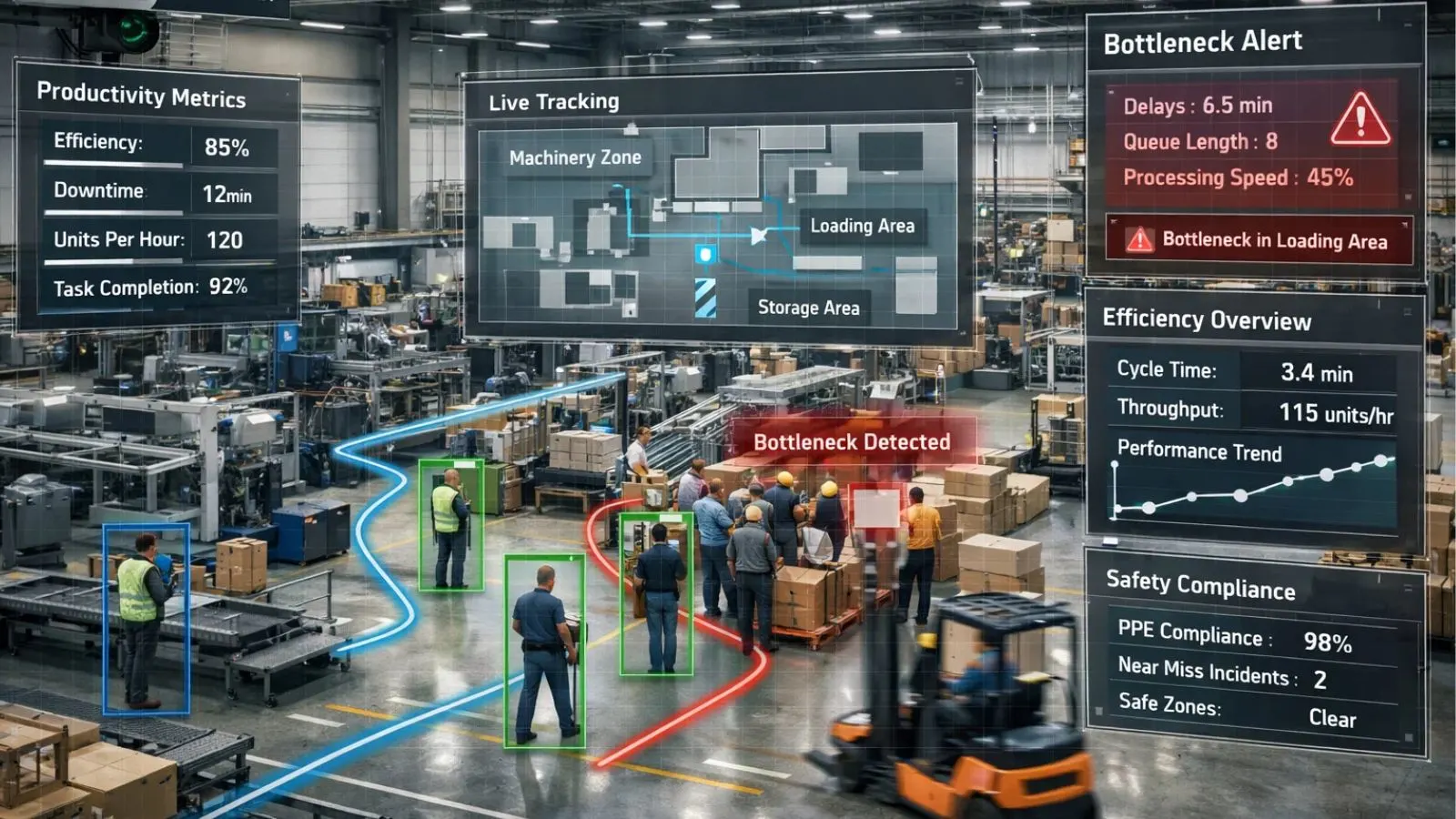
Beyond security, intelligent video systems play a growing role in streamlining everyday operations. By observing how people, equipment, and processes move through a space, video analytics provides valuable insights that help organizations operate more efficiently and make data-backed decisions.
In workplaces such as warehouses, factories, or retail environments, visual data can reveal workflow bottlenecks that are difficult to spot through manual observation. Managers can see where delays occur, how long certain tasks take, and whether resources are being used effectively. These insights make it easier to optimize layouts, staffing, and process design.
Video-based analysis also supports better compliance and safety monitoring. Systems can detect unsafe behaviors, overcrowding, or deviations from standard procedures and alert teams in real time. By reducing inefficiencies and improving adherence to operational standards, video analytics helps organizations improve productivity while maintaining a secure and well-managed environment.
Key Use Cases Across Industries
The flexibility of intelligent video systems makes them applicable across a wide range of industries. By adapting to specific operational needs, video analytics delivers targeted insights that improve both safety and efficiency in different environments.
In retail, it helps monitor customer movement, detect suspicious behavior, and analyze foot traffic patterns. These insights support theft prevention while also improving store layout and customer experience. Retailers can better understand peak hours, dwell times, and staff allocation needs without relying on manual counting.
In manufacturing and industrial settings, video-based analysis supports safety compliance and productivity tracking. Systems can identify unsafe practices, restricted-area violations, or equipment misuse in real time. Similarly, offices, campuses, and public spaces use intelligent monitoring to manage access control, crowd flow, and overall situational awareness. Across industries, the ability to extract actionable insights from visual data makes video analytics a powerful tool for modern operations.
Role of AI and Machine Learning in Video Analytics
Artificial intelligence and machine learning are the foundation that make modern video systems truly intelligent. Instead of relying on simple motion detection, video analytics uses advanced algorithms to understand what is happening within a scene and why it matters. This deeper level of interpretation allows systems to deliver far more accurate and useful insights.
AI models are trained to recognize objects such as people, vehicles, and equipment, and to track their movement across frames. Machine learning enables the system to learn patterns over time, improving its ability to differentiate between normal activity and potential risks. For example, it can identify unusual behavior, detect anomalies, or recognize repeated patterns that may indicate operational inefficiencies.
As these systems continue to process more data, their accuracy and reliability improve. This self-learning capability reduces false alerts and enhances long-term performance. By combining visual data with intelligent algorithms, video analytics evolves into a dynamic system that adapts to changing environments and business needs, making it a scalable solution for growing organizations.
Data-Driven Insights From Video Footage
Raw video on its own has limited value unless it can be translated into clear, measurable insights. Intelligent systems analyze footage continuously and convert visual activity into structured data that decision-makers can easily interpret. This data-driven approach helps organizations move beyond assumptions and rely on evidence when improving security and operations.
Dashboards and reports generated from visual analysis can highlight trends such as peak activity hours, recurring security risks, or inefficient process flows. These insights allow teams to evaluate performance over time and measure the impact of changes they implement. Instead of reacting to isolated incidents, organizations gain a broader understanding of patterns and behaviors.
Over the long term, this analytical visibility supports strategic planning. Businesses can make informed decisions about resource allocation, facility design, and risk management based on consistent visual evidence. By turning everyday footage into actionable intelligence, organizations unlock greater value from their existing infrastructure while improving both safety and efficiency.
Privacy, Compliance, and Ethical Considerations
As intelligent monitoring becomes more advanced, organizations must carefully balance security needs with privacy responsibilities. Implementing video analytics requires a thoughtful approach to ensure data is collected, stored, and used transparently and ethically.
Compliance with data protection regulations is a critical factor. Organizations need clear policies on data retention, access control, and usage to prevent misuse of video information. Anonymization techniques, restricted access, and secure storage help minimize privacy risks while still enabling meaningful analysis.
Equally important is maintaining trust among employees, customers, and visitors. Clearly communicating why monitoring is in place and how data is used helps reduce concerns and improve acceptance. When deployed responsibly, video analytics can enhance safety and efficiency without compromising individual privacy, making ethical implementation a key part of long-term success.
Choosing the Right Video Analytics Solution
Selecting the right solution is essential to maximizing the value of intelligent video systems. Organizations should begin by clearly defining their security and operational goals, whether that involves threat detection, workflow optimization, or compliance monitoring. A well-aligned system ensures that insights generated are both relevant and actionable.
Scalability is another key consideration. As camera networks grow and business needs evolve, the solution should be able to handle increased data volumes without compromising performance. Integration capabilities also matter, especially when connecting with existing security infrastructure, access control systems, or business intelligence tools.
Customization and reliability play a major role in long-term success. Solutions should adapt to industry-specific requirements and varying environments. Many technology providers, including Globussoft, focus on building flexible and AI-driven platforms that support both security enhancement and operational improvement.
Adding to this vision, VideoraIQ—a flagship video analytics product by Globussoft—brings advanced intelligence to everyday surveillance setups. Powered by AI, VideoraIQ can analyze live video feeds, detect anomalies, recognize patterns, and generate real-time alerts.
One of its major advantages is compatibility: it works seamlessly even with basic CCTV camera installations, eliminating the need for expensive hardware upgrades. This makes it an accessible yet highly effective solution for businesses looking to elevate their security and efficiency using the infrastructure they already have.
Also Read,
What is the Importance of Artificial Intelligence in Everyday Life?
Conclusion
Security and operational efficiency are no longer isolated goals. Businesses today need solutions that can protect people and assets while also improving everyday processes. By transforming raw camera footage into meaningful insights, video analytics enables organizations to take a proactive, data-driven approach to both challenges.
From real-time threat detection to workflow optimization, intelligent video systems help reduce risks, eliminate inefficiencies, and support smarter decision-making. As AI capabilities continue to advance, these systems become more accurate, scalable, and valuable over time. When implemented responsibly and aligned with business objectives, video analytics delivers long-term impact across industries.
Organizations that invest in intelligent visual analysis are better positioned to respond quickly, operate efficiently, and build safer environments. As security demands and operational complexity grow, video-based intelligence will continue to play a critical role in shaping modern business strategies.
FAQs
- Is video analytics suitable for small and mid-sized businesses?
Yes. Many solutions are scalable and can be implemented gradually, allowing smaller organizations to start with essential use cases and expand as needed. - Does video analytics require new camera hardware?
Not always. Most modern solutions can integrate with existing IP camera systems, reducing upfront infrastructure costs. - How accurate are AI-based video systems?
Accuracy improves over time as machine learning models analyze more data and adapt to specific environments, resulting in fewer false alerts.
Quick Search Our Blogs
Type in keywords and get instant access to related blog posts.


 +91 8767115115