 India
India  UK
UK USA
USA 
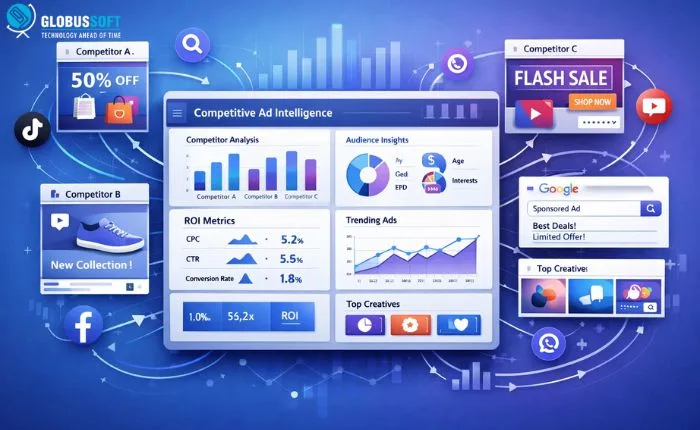
Staying ahead in digital marketing requires more than intuition—it demands actionable data and strategic insights. Ad intelligence provides marketers with the tools to analyze competitor campaigns, track audience behavior, and understand market trends. By leveraging this information, brands can optimize their campaigns, improve ROI, and make more informed decisions.
Competitive ad intelligence gives businesses visibility into what their rivals are doing, helping identify gaps in the market and refine strategies. It goes beyond simply monitoring ads; it involves analyzing performance metrics, creative approaches, targeting techniques, and audience engagement. With these insights, marketers can anticipate trends, discover opportunities, and adjust campaigns before competitors gain an edge.
Access to mobile advertising insights has become increasingly important as mobile platforms dominate consumer attention. Understanding competitors’ mobile strategies enables brands to tailor their campaigns for maximum impact and reach.
This guide will explore what ad intelligence is, how competitive insights work, the advantages of using them, and how tools like Globussoft can help businesses gain a competitive edge in digital marketing.
You can listen to this Blog here.
What Is Ad Intelligence?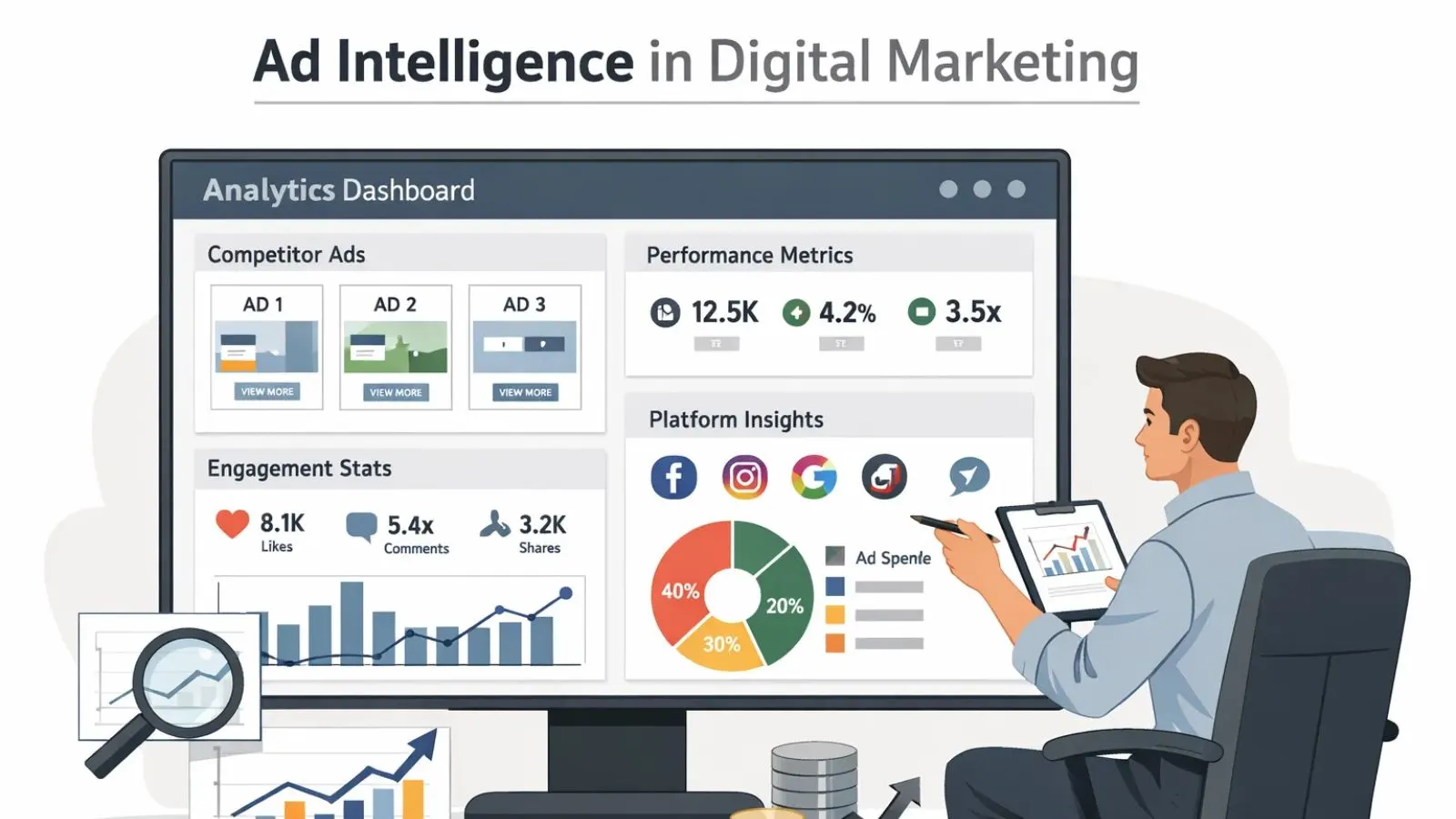
Ad intelligence is the process of collecting, analyzing, and interpreting data from digital advertising campaigns to gain actionable insights. It allows marketers to understand how competitors are running their campaigns, what strategies are performing well, and how audiences are engaging with different types of content.
At its core, insights from advertising intelligence provides answers to key questions: Which ads are most effective? What platforms are competitors focusing on? How are creatives, copy, and targeting influencing results? This level of insight goes beyond basic analytics, offering a competitive perspective that helps marketers make informed decisions.
These insights are often facilitated through ad intelligence software, which automates data collection and analysis. These tools can monitor display ads, social media campaigns, search ads, and mobile advertising, providing a clear picture of the competitive landscape. By leveraging this data, marketers can optimize their campaigns, reduce wasted spend, and focus on strategies that deliver measurable results.
In short, advertising intelligence is not just about observing competitors—it’s about turning that information into actionable strategies that improve performance, enhance targeting, and drive business growth.
How Competitive Ad Intelligence Works?
Competitive ad intelligence works by systematically tracking and analyzing competitors’ advertising campaigns across multiple channels. This includes display ads, social media campaigns, search ads, and mobile platforms. By collecting this data, marketers gain insights into creative strategies, targeting methods, audience engagement, and campaign performance.
Ad intelligence software plays a key role in this process. It automates data collection, identifies trends, and generates reports that make it easy to compare competitors’ strategies. For example, a tool can reveal which ads are generating the most engagement, which keywords are performing best, or which platforms competitors are prioritizing.
The insights gained allow marketers to make informed decisions about their own campaigns. They can identify gaps in the market, test new creative approaches, adjust targeting strategies, and optimize budgets for maximum ROI. By continuously monitoring competitor activity, businesses can adapt quickly, stay relevant, and maintain a competitive edge.
Moreover, combining competitive insights with internal campaign performance helps teams refine strategies over time. It’s not just about copying competitors—it’s about learning from their successes and mistakes to develop smarter, more effective advertising campaigns.
Mobile Advertising Insights and Its Role
With the rapid rise of smartphones and mobile-first consumption, mobile advertising insights have become a crucial component of advertising intelligence. Mobile platforms often behave differently from desktop or traditional channels, so understanding user engagement, ad placement, and creative performance on mobile is essential for effective campaigns.
Mobile ad intelligence allows marketers to track competitor activity specifically on apps, mobile websites, and social media platforms. This includes monitoring ad formats, targeting strategies, click-through rates, and audience engagement patterns. By analyzing these insights, brands can identify what works best in mobile environments and adjust their campaigns accordingly.
For example, a competitor may achieve higher engagement with short-form video ads on mobile social platforms. Knowing this allows marketers to test similar formats, optimize ad timing, or target a more receptive audience segment. Similarly, insights about mobile ad spend and placement strategies help businesses allocate budgets efficiently and maximize ROI.
Incorporating mobile advertising insights into broader ad intelligence efforts ensures that campaigns remain relevant, competitive, and optimized for the platforms where users are most active. Mobile-focused analysis is no longer optional—it’s a key driver of campaign success.
Features of Ad Intelligence Software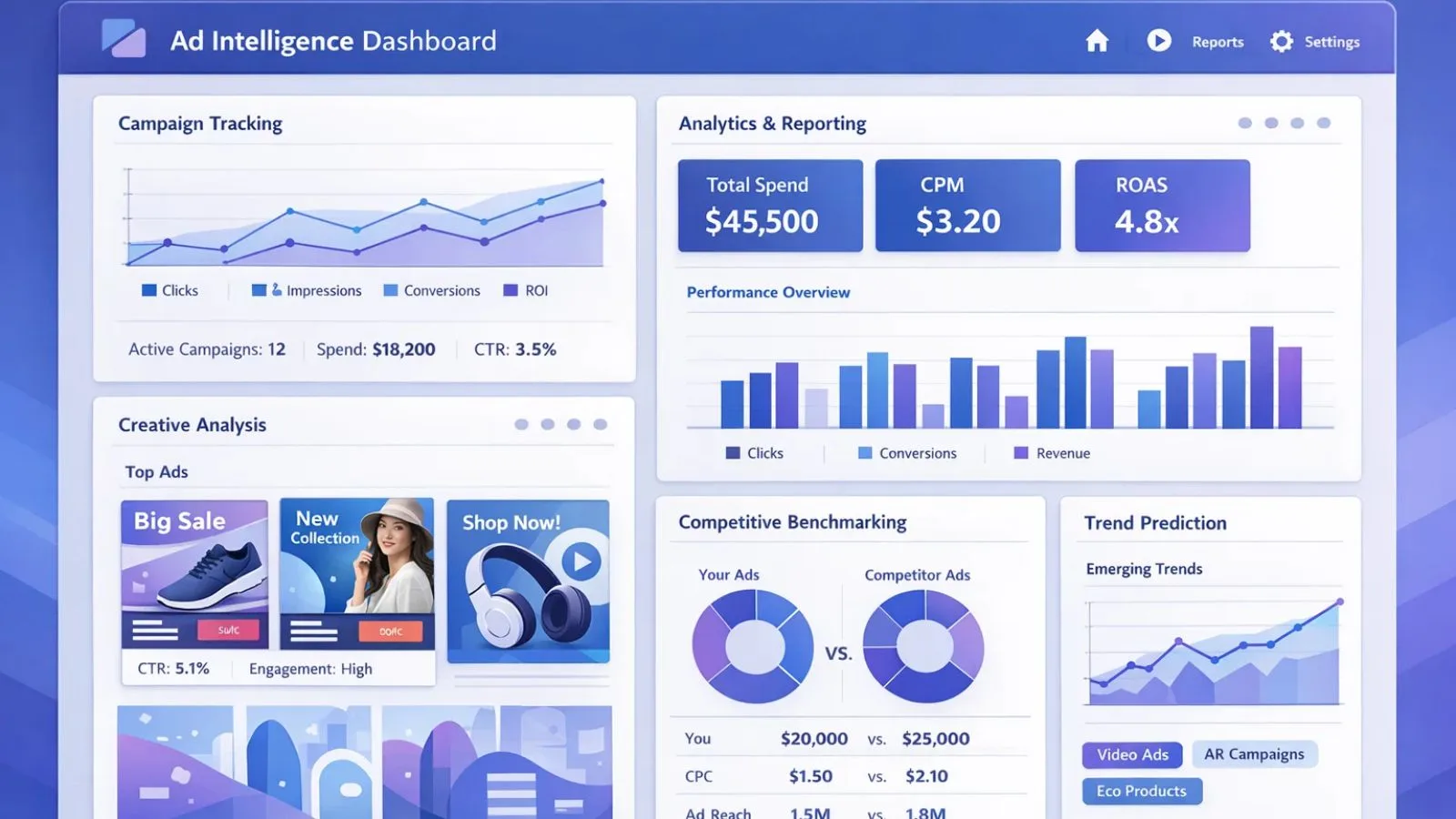
Ad intelligence software is designed to make competitive insights actionable and easy to interpret. These tools come with a range of features that help marketers monitor, analyze, and optimize advertising campaigns effectively.
1. Campaign Tracking
Software can monitor competitors’ campaigns across multiple channels—social media, search, display networks, and mobile platforms. This ensures marketers have a comprehensive view of industry trends and competitor strategies.
2. Analytics and Reporting
Automated reporting provides key metrics such as impressions, engagement rates, click-through rates, and ad spend. This allows marketers to quickly identify high-performing strategies and benchmark their own campaigns against competitors.
3. Creative Analysis
Some tools offer insights into ad creatives, including messaging, visuals, and formats. Understanding which creative elements resonate with audiences helps brands refine their own ads for better engagement.
4. Competitive Benchmarking
Ad intelligence software allows marketers to compare their campaigns against competitors in real-time. This makes it easier to spot opportunities, avoid mistakes, and stay ahead in the market.
5. Trend Predictions
Advanced software may include predictive analytics, which identifies emerging trends or potential changes in competitor strategies. This helps marketers anticipate shifts and plan campaigns proactively.
By leveraging these features, businesses gain a more complete understanding of the competitive landscape. It transforms raw data into actionable insights that improve campaign performance and guide strategic decision-making.
Benefits of Using Ad Intelligence
Using ad intelligence offers several advantages that help businesses optimize their marketing efforts and stay competitive in a crowded digital landscape.
1. Smarter Campaign Planning
With insights into competitor strategies, marketers can design campaigns that target gaps in the market. This ensures ad spend is directed toward high-impact opportunities rather than trial-and-error approaches.
2. Improved ROI
By analyzing what works for competitors and learning from mobile advertising insights, brands can refine targeting, creative, and placement strategies. This reduces wasted spend and boosts overall return on investment.
3. Competitive Advantage
Tracking competitors’ campaigns helps businesses anticipate trends, respond to changes quickly, and maintain a strategic edge. Staying informed about competitors’ tactics allows marketers to innovate rather than react.
4. Enhanced Audience Understanding
Ad intelligence reveals how different audiences respond to various ad formats, messaging, and channels. These insights enable more personalized and effective campaigns that resonate with target demographics.
5. Data-Driven Decision Making
Instead of relying on intuition, marketers can make informed decisions based on real-time data. This leads to more predictable outcomes, better resource allocation, and stronger overall performance.
In summary, ad intelligence transforms raw advertising data into actionable insights, empowering marketers to plan, execute, and optimize campaigns with confidence.
How Globussoft Supports Ad Intelligence
Managing competitive ad intelligence can be complex, especially when campaigns run across multiple platforms. Globussoft provides businesses with tools to simplify this process, making it easier to collect, analyze, and act on advertising insights. One of such tools is PowerAdSpy.
With PowerAdSpy, marketers can monitor competitor campaigns in real-time, track ad performance, and identify emerging trends. The software allows teams to gain mobile advertising insights, analyze creative strategies, and benchmark their campaigns against competitors efficiently.
One of the key advantages of using this tool is improved visibility and accountability. Teams can assign owners for specific campaigns, track updates, and ensure that insights are translated into actionable strategies. This makes it easier to respond quickly to market shifts and stay ahead in a competitive environment.
Globussoft also streamlines reporting and analytics, providing clear dashboards and automated insights. Marketers can focus less on data collection and more on strategy, ensuring campaigns are optimized for maximum impact.
By integrating this powerful ad intelligence software into the workflow, businesses can make smarter, data-driven decisions, improve ROI, and maintain a competitive edge in digital marketing.
Best Practices for Implementing Ad Intelligence
To maximize the value of ad intelligence, it’s essential to follow best practices that ensure insights are actionable and campaigns remain competitive.
1. Set Clear Goals and KPIs
Define what you want to achieve with ad intelligence. Whether it’s improving ROI, tracking competitor activity, or optimizing mobile campaigns, having clear objectives ensures insights are focused and relevant.
2. Monitor Competitors Regularly
Ad intelligence is most effective when data is updated consistently. Regularly track competitor campaigns, ad creatives, and targeting strategies to stay informed about changes in the market.
3. Integrate Insights into Campaign Strategy
Collecting data is only useful if it informs decisions. Use insights to refine targeting, improve creatives, adjust ad spend, and identify growth opportunities.
4. Leverage Software Tools
Tools like Globussoft automate monitoring, reporting, and analysis, saving time and reducing errors. Using ad intelligence software ensures you get accurate, real-time insights without manual effort.
5. Test and Iterate
Apply the insights gained to test new strategies and measure their effectiveness. Continuous testing helps optimize campaigns and ensures that marketing decisions are backed by data.
By following these practices, marketers can turn raw advertising data into actionable strategies, improve campaign performance, and maintain a competitive advantage.
Conclusion
Ad intelligence has become a critical component of modern digital marketing. By analyzing competitor campaigns, tracking mobile advertising insights, and leveraging data from ad intelligence software, marketers can make smarter decisions, optimize campaigns, and improve ROI.
Competitive ad insights empower businesses to anticipate trends, identify opportunities, and stay ahead of rivals. It goes beyond simply monitoring ads—it’s about turning insights into actionable strategies that drive real results.
By implementing best practices, integrating software tools, and continuously analyzing data, brands can maintain a competitive edge and ensure their marketing efforts are both efficient and effective. In a fast-moving digital landscape, leveraging advertising intelligence isn’t just an advantage—it’s a necessity for success.
Also Read,
How To Stay Ahead With The Latest Social Media Updates?
How To Get Better Ads with Competitor Report & Ad Strategies?
FAQ’s
1. How does competitive ad intelligence help businesses?
Competitive ad intelligence provides visibility into rivals’ campaigns, allowing businesses to identify trends, gaps, and opportunities. This information helps improve targeting, creative strategies, and overall ROI.
2. Which ad intelligence software is best for marketers?
While several tools are available, tools like PowerAdSpy can provide you most authentic ad analytics, and mobile advertising insights, making it easier for marketers to make data-driven decisions.
3. How can mobile advertising insights improve campaigns?
Mobile advertising insights reveal how audiences engage with ads on smartphones and tablets. By analyzing performance, marketers can optimize creative, timing, and targeting strategies to boost engagement and ROI.
Quick Search Our Blogs
Type in keywords and get instant access to related blog posts.


 +91 8767115115