 India
India  UK
UK USA
USA 
Revenue growth does not always come from driving more traffic or spending more on marketing. Many businesses already attract visitors, generate leads, and run active campaigns, yet conversions remain lower than expected. The real opportunity often hides within the customer journey itself. This is where sales funnel optimization makes a meaningful difference. Every prospect moves through a series of steps before making a purchase, and even small gaps in this journey can lead to lost revenue. Confusing messaging, slow responses, or unclear offers can cause potential customers to leave before converting. Sales funnel optimization focuses on improving each stage of this journey, helping businesses guide prospects smoothly from awareness to decision.
By refining how customers interact with a brand, businesses unlock value that already exists within their funnels. Instead of chasing more leads, optimized funnels turn existing interest into stronger conversions, higher retention, and sustainable revenue growth.
Listen To The Podcast Now!
Understanding Sales Funnels In Modern Businesses
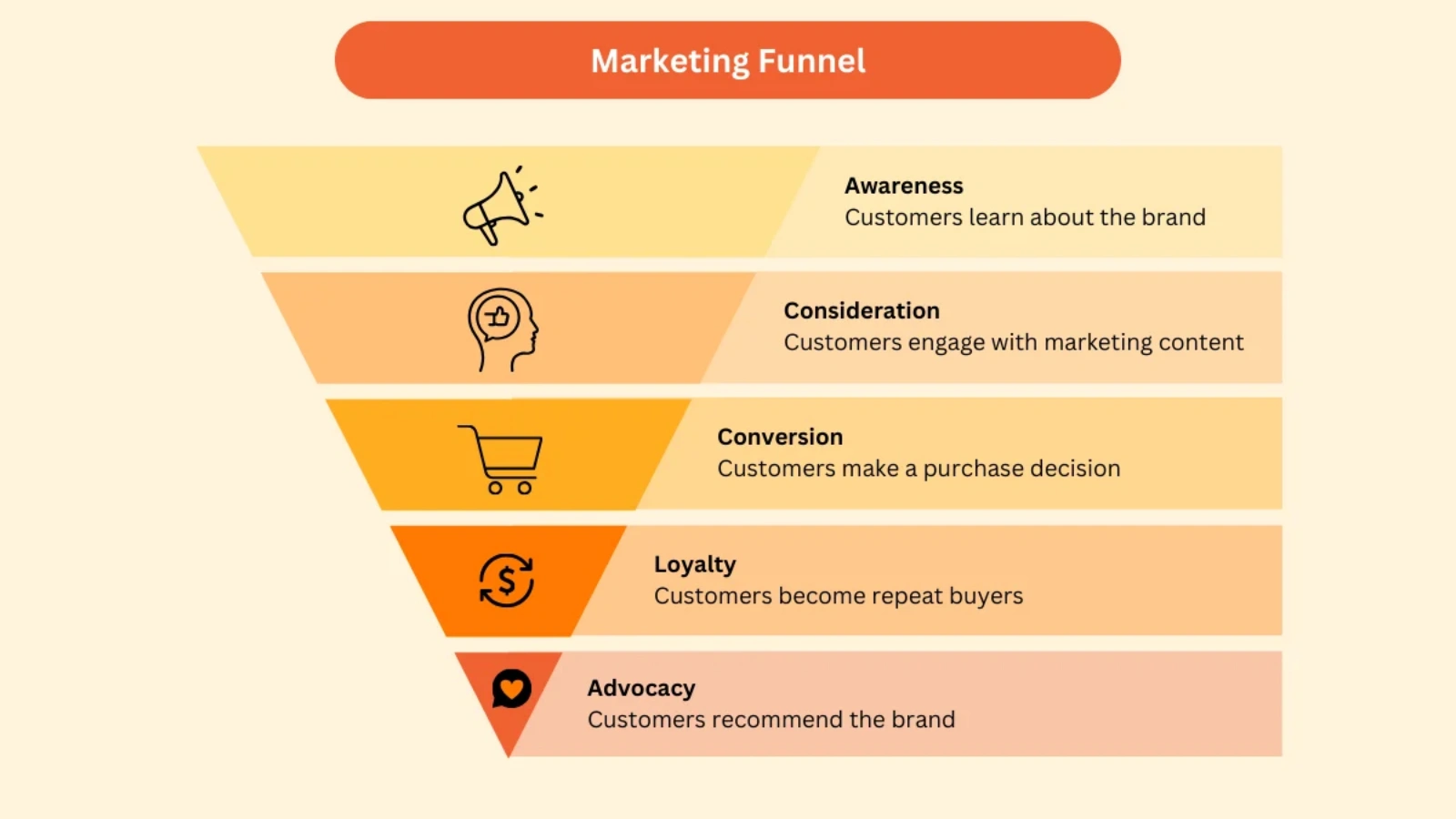
Every customer follows a journey before making a purchase decision. Sales funnels help businesses understand and guide that journey in a structured way.
How sales funnels guide customer journeys
A sales funnel maps each step a potential customer takes:
- First discovery of a brand:
This stage introduces potential customers to your brand through marketing efforts, creating initial awareness and sparking interest in your products or services. - Evaluation of products or services:
Customers actively research, compare features, pricing, and benefits to determine whether your offering meets their specific needs and expectations. - Decision to purchase:
At this stage, customers decide whether to buy based on trust, perceived value, clarity of information, and ease of completing the transaction. - Long-term loyalty:
After purchasing, consistent engagement, support, and value-driven communication encourage repeat purchases and strengthen long-term customer relationships.
Sales funnel optimization ensures each step feels clear, relevant, and smooth for the customer.
Why funnels matter for long-term revenue growth
Funnels help businesses:
Predict revenue more accurately: Sales funnels provide clear visibility into conversion rates, allowing businesses to forecast revenue and plan growth strategies with greater confidence.
Understand customer behavior: Funnels reveal how customers interact at each stage, helping businesses adjust messaging, timing, and offers to improve engagement.
Identify weak points that cause drop-offs: Funnel analysis highlights exactly where prospects leave, making it easier to fix issues that reduce conversions.
Build repeat purchase cycles: Optimized funnels nurture existing customers, increasing retention and encouraging additional purchases over time.
Without optimization, funnels leak revenue at every stage.
What Is Sales Funnel Optimization?
Many teams ask a simple but important question: What is sales funnel optimization, and why does it matter so much?
Sales funnel optimization focuses on improving each stage of the funnel to increase conversions, revenue, and customer satisfaction.
Core goals of optimization
The main goals include:
- Reduce customer drop-offs:
Optimization removes friction points such as confusing pages, slow responses, or unclear offers that cause potential customers to leave before converting. - Improve message relevance:
Clear, targeted messaging ensures customers receive information that matches their needs, expectations, and stage in the buying journey. - Increase conversion rates:
Sales funnel optimization improves page flow, calls to action, and timing, helping more visitors complete desired actions successfully. - Strengthen customer trust:
Consistent communication, transparent pricing, and social proof help customers feel confident and comfortable choosing your brand. - Maximize lifetime value:
Optimized funnels encourage repeat purchases and long-term relationships, increasing the total revenue earned from each customer over time.
Sales funnel optimization connects marketing, sales, and customer experience into a unified system that guides prospects smoothly from first contact to loyalty.
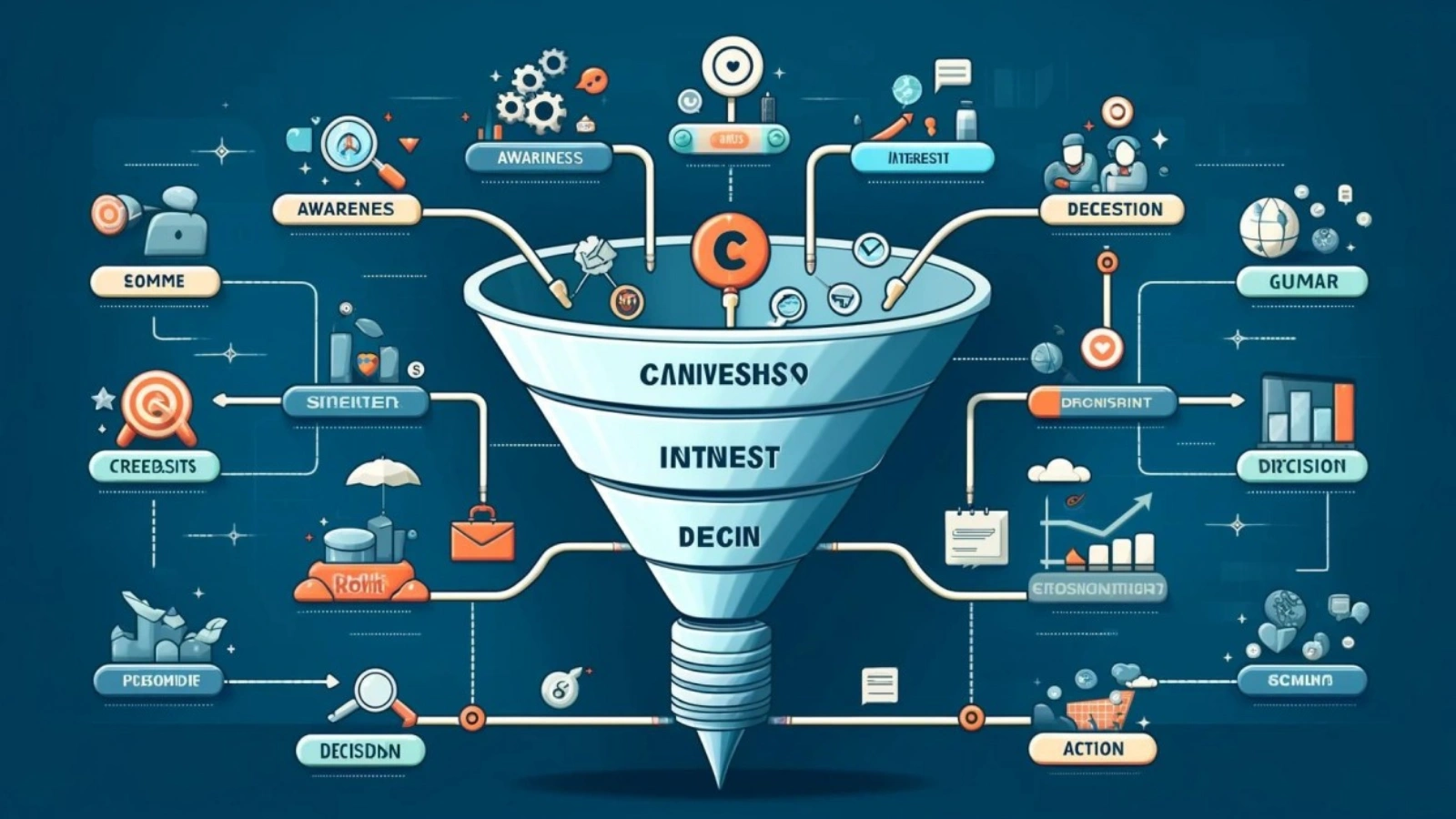
Common funnel stages explained simply
Most funnels include:
- Awareness:
Potential customers discover your brand through marketing efforts, content, or referrals, forming their first impression of your business. - Interest:
Customers begin exploring your offerings, engaging with content, and showing curiosity about how your product or service fits their needs. - Consideration:
At this stage, customers compare options, evaluate benefits, and assess value before deciding whether to move forward. - Decision:
Clear pricing, strong value propositions, and easy purchasing processes help customers confidently complete the final action. - Retention:
Ongoing support, communication, and engagement keep customers satisfied and encourage repeat purchases and long-term loyalty.
Each funnel stage requires a tailored message, a relevant offer, and a clear action to guide customers forward without confusion.
Why Sales Funnel Optimization Matters More Than Ever
Customer behavior changes faster than ever. People compare more options, expect faster responses, and leave quickly when experiences feel confusing. Sales funnel optimization helps businesses stay relevant, competitive, and profitable by guiding customers smoothly through every decision stage.
Revenue Leaks Businesses Often Ignore
- Poor landing pages:
Unclear headlines, slow load times, or weak design fail to capture attention, causing visitors to leave before understanding the value. - Confusing messaging:
Inconsistent or overly complex messaging creates uncertainty, making customers unsure about what the business offers or why it matters. - Slow follow-ups:
Delayed responses reduce interest and trust, allowing competitors to capture leads that were already interested in buying. - Irrelevant offers:
Generic promotions that ignore customer intent fail to connect emotionally and often push prospects away instead of forward.
Small inefficiencies across funnel stages combine into significant revenue losses when businesses ignore optimization.
How Optimization Improves Customer Experience?
- Clear communication:
Simple and focused messaging helps customers quickly understand benefits, pricing, and next steps without unnecessary confusion. - Faster responses:
Quick follow-ups and real-time engagement build confidence and keep customers interested while their intent remains strong. - Personalized journeys:
Tailored content and offers make customers feel understood, increasing engagement and strengthening emotional connection. - Smooth transitions between stages:
Well-structured funnels guide customers naturally from awareness to purchase without friction or frustration.
When experiences feel effortless, customers move through funnels faster and with greater confidence.
Impact on Conversions and Retention
- Higher lead-to-customer rates:
Optimized funnels reduce friction and confusion, allowing more leads to complete purchases successfully. - Increased repeat purchases:
Positive experiences encourage customers to return, reducing acquisition costs and increasing overall revenue. - Stronger brand loyalty:
Consistent value and trust-building interactions turn satisfied customers into long-term brand advocates.
Retention improves naturally when sales funnel optimization creates intentional, customer-focused experiences.
Conversion Funnel Optimization Explained
While sales funnels focus on revenue growth, conversion funnel optimization focuses on user actions that move prospects closer to becoming customers. It helps businesses understand why users take action or stop and how to guide them smoothly toward meaningful conversions.
Difference Between Sales Funnels and Conversion Funnels
- Sales funnels:
Sales funnels track the entire revenue journey, from first awareness to final purchase and long-term customer value. - Conversion funnels:
Conversion funnels focus on specific actions like sign-ups, downloads, demo requests, or purchases that indicate progress.
Both funnels work best together, as conversion actions support revenue growth while sales funnels provide the broader business picture.
Key Metrics That Define Conversion Success
- Click-through rate:
This metric shows how effectively messages, ads, or content motivate users to take the next step. - Conversion rate:
Conversion rate measures how many users complete a desired action compared to total visitors or leads. - Cost per acquisition:
This shows how much money is spent to convert one customer, helping businesses control spending efficiency. - Funnel drop-off rate:
Drop-off rate highlights where users leave the funnel, revealing stages that need improvement.
Conversion funnel optimization steadily improves these metrics by reducing friction and improving clarity.
Where Most Businesses Lose Potential Customers
- Complex forms:
Long or confusing forms discourage users from completing actions, especially when they ask for unnecessary information. - Weak call-to-action:
Unclear or boring CTAs fail to motivate users, leaving them unsure about what to do next. - Poor mobile experience:
Slow load times or broken layouts on mobile devices push users away before they can convert. - Lack of trust signals:
Missing reviews, testimonials, or security indicators create doubt and reduce user confidence.
Sales funnel optimization addresses these gaps by improving usability, trust, and user motivation at every step.
Key Stages of Marketing Funnel Optimization
Marketing funnel optimization focuses on building trust and interest before direct sales conversations begin. Each stage requires a different approach to keep prospects engaged and moving forward.
Awareness Stage Optimization Strategies
At this stage, people are discovering your brand for the first time, so first impressions matter greatly.
- Clear brand messaging:
Your message should explain who you are, what you offer, and why it matters simply and memorably. - Relevant content:
Content should address real problems your audience faces and provide useful information that feels helpful, not promotional. - Social proof:
Reviews, ratings, and real customer feedback help new visitors feel confident that your brand is credible and trustworthy. - Strong first impressions:
Design, tone, and website experience should feel professional and welcoming, encouraging visitors to stay and explore further.
Marketing funnel optimization begins by building trust before asking for commitment.
Consideration Stage Improvement Tactics
At this point, prospects actively compare options and look for proof that your solution fits their needs.
- Case studies:
Real-world examples show how your product or service solves problems and delivers measurable results. - Product demos:
Demos help prospects understand functionality clearly and visualize how the solution works in their own situation. - Comparison pages:
Side-by-side comparisons reduce confusion and help prospects confidently evaluate differences between available options. - Testimonials:
Honest customer experiences reassure prospects and reduce hesitation during the evaluation process.
Sales funnel optimization at this stage focuses on clarity and confidence.
Decision Stage Conversion Techniques
This is the moment where small improvements can significantly impact revenue and conversions.
- Simple pricing:
Transparent pricing removes confusion and helps prospects quickly understand the value they receive. - Clear value propositions:
Strong value statements explain exactly why your solution is worth choosing over alternatives. - Limited-time offers:
Time-sensitive incentives encourage faster decisions without pressuring or overwhelming prospects. - Easy checkout flows:
A smooth and quick checkout experience reduces friction and prevents last-minute drop-offs.
Small changes at this stage often lead to major results in sales funnel optimization.
Also Read:
How To Use AI In Marketing Effectively?
How AI Technology Trends Are Powering Business Growth?
How AI Sales Funnel Optimization Is Changing Growth?
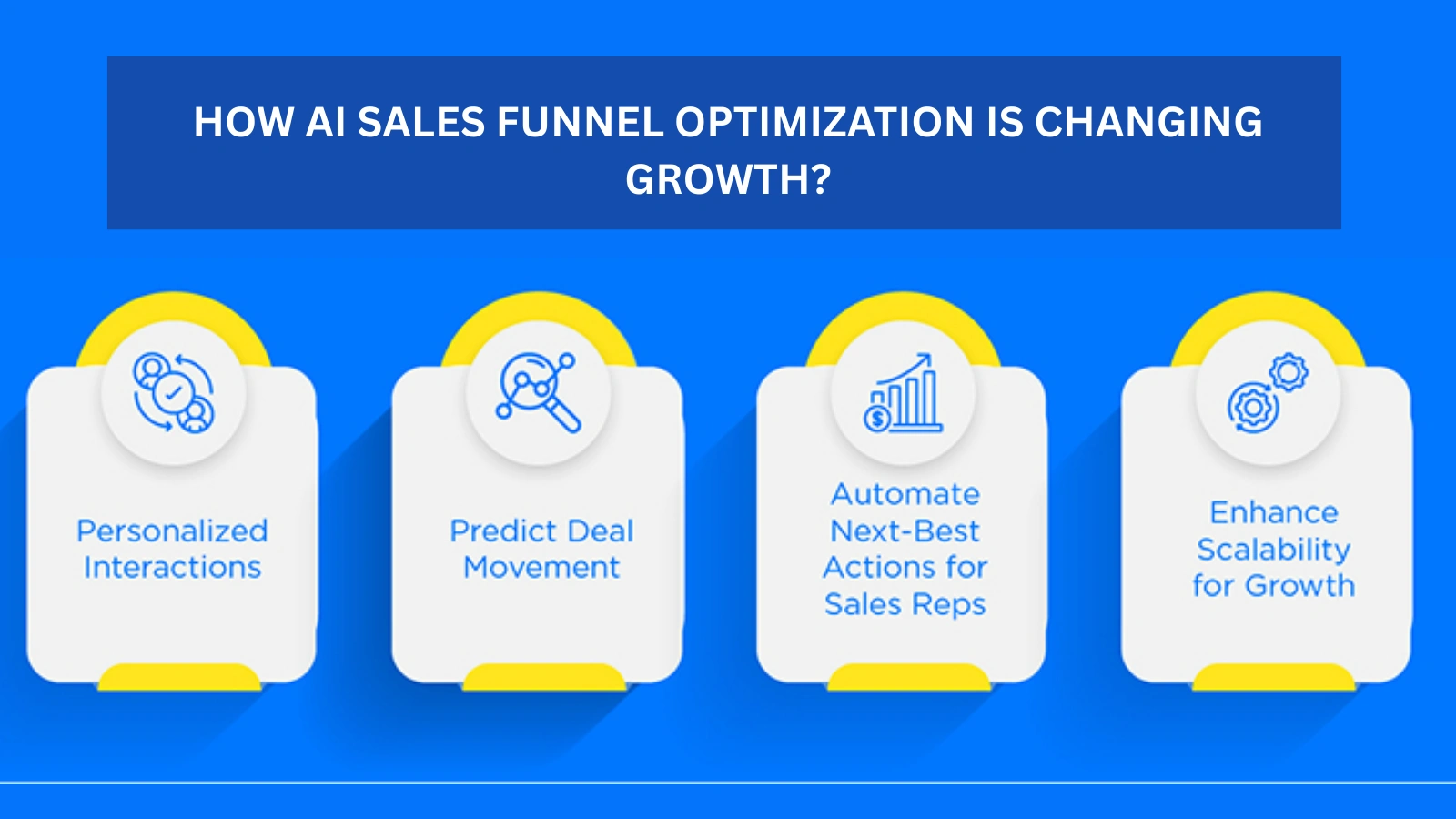
Technology continues to reshape how businesses understand and engage customers. AI sales funnel optimization introduces speed, accuracy, and personalization that manual methods cannot match.
Role Of AI In Analyzing Customer Behavior
AI studies customer actions across multiple touchpoints to uncover meaningful patterns that guide smarter business decisions.
- Browsing patterns:
AI tracks how users navigate websites, which pages they view, and where they spend time to understand interest levels. - Purchase intent:
By analyzing behavior signals, AI identifies when a customer shows readiness to buy, helping teams act at the right moment. - Engagement signals:
AI evaluates clicks, downloads, email opens, and interactions to measure interest and prioritize high-value prospects.
These insights support smarter and faster funnel decisions, and tools from companies like Globussoft make it easier for businesses to act on this data effectively.
Integrating AI Tools From Globussoft
Companies like Globussoft provide advanced AI solutions that help businesses understand customer behavior in real time. Their tools track interactions across multiple platforms, uncover engagement patterns, and predict purchase intent, allowing teams to make data-driven decisions faster. By leveraging Globussoft’s AI capabilities, businesses can personalize customer journeys, improve targeting, and optimize every stage of their sales funnel.
This demonstrates how combining AI insights with practical tools can enhance efficiency, reduce drop-offs, and drive higher conversion,s showing that AI sales funnel optimization is not just theory, but a tangible way to unlock growth.
Predictive Insights and Personalization
AI sales funnel optimization uses historical and real-time data to anticipate customer behavior and personalize experiences.
- What customers want:
AI predicts customer preferences by analyzing past actions, interests, and interactions across multiple channels. - When they convert:
AI identifies the ideal timing for outreach, ensuring messages reach customers when they feel most ready to act. - Which message works best:
AI tests content variations and highlights messaging that generates the strongest engagement and conversions.
Personalized experiences build trust and reduce hesitation.
Automation In Funnel Optimization
Automation powered by AI helps teams scale funnel efforts without sacrificing quality or consistency.
- Lead scoring:
AI ranks leads based on behavior and intent, helping sales teams focus on prospects with the highest conversion potential. - Email sequences:
Automated, personalized email flows nurture prospects with timely and relevant content throughout the funnel stages. - Customer segmentation:
AI groups customers based on behavior and preferences, ensuring targeted communication instead of generic messaging.
Teams gain efficiency while maintaining meaningful customer engagement.
Benefits Of Using AI For Funnel Optimization
AI tools play a crucial role in supporting modern growth strategies by helping businesses understand customers and optimize funnel performance efficiently.
Faster Decision-Making
AI analyzes large volumes of customer data in real time, transforming complex information into clear insights that support quicker, smarter business decisions.
Improved Customer Targeting
AI sales funnel optimization identifies customer behavior, preferences, and intent, ensuring marketing messages reach the most relevant audience at the ideal moment.
Higher ROI and Efficiency
Accurate targeting and automation reduce wasted ad spend, improve conversion rates, and maximize revenue without increasing overall marketing effort or costs.
Tools That Support Smarter Funnel Optimization
Strong funnels depend on using the right tools to understand, manage, and improve every stage of the customer journey. Analytics and tracking tools provide clear visibility into funnel performance by showing how users move through each step, where they drop off, and which actions drive engagement. This data helps businesses identify weaknesses and apply sales funnel optimization strategies with precision instead of guesswork.
Automation and CRM platforms support smarter funnel management by organizing leads, tracking interactions, and ensuring timely, consistent follow-ups. These systems help sales and marketing teams stay aligned while maintaining personalized communication at scale.
AI-powered optimization solutions take funnel performance further by enabling predictive analysis, personalized content delivery, and ongoing funnel testing. As AI sales funnel optimization evolves, businesses gain deeper insights, improved accuracy, and stronger long-term growth potential.
Final Thoughts
Sales funnel optimization remains an ongoing process, not a one-time task. Businesses that refine their funnels consistently uncover hidden revenue and strengthen customer relationships. Conversion funnel optimization improves actions, marketing funnel optimization nurtures trust, and AI sales funnel optimization adds precision and scale. Companies using practical AI solutions, like those offered by Globussoft, can make this process easier and more effective. By committing to smarter funnel strategies with the right tools, businesses stay competitive, adaptable, and ready for long-term growth.
FAQs
- What is sales funnel optimization, and why is it important?
Sales funnel optimization improves every stage of the customer journey to reduce drop-offs, increase conversions, and unlock hidden revenue opportunities. - How does sales funnel optimization increase revenue without more traffic?
By fixing weak funnel stages, improving messaging, and guiding existing leads better, businesses convert more prospects into paying customers. - What tools are essential for effective sales funnel optimization?
Analytics platforms, CRM systems, automation tools, and AI-powered solutions help track behavior, personalize experiences, and improve funnel performance. - How does AI sales funnel optimization improve customer experience?
AI analyzes behavior patterns, predicts intent, and delivers personalized messaging, creating smoother journeys and faster decision-making for customers. - How often should businesses update their sales funnel optimization strategy?
Regular reviews and testing ensure funnels stay aligned with customer behavior, market changes, and evolving business goals.
Quick Search Our Blogs
Type in keywords and get instant access to related blog posts.


 +91 8767115115