 India
India  UK
UK USA
USA 

Automation has moved far beyond simple rule-based systems. Businesses now expect technology to think, adapt, and improve processes rather than just follow instructions. This shift is the reason organisations are increasingly investing in the best artificial intelligence platforms to power smarter, more flexible automation.
Basic automation tools work well for repetitive and predictable tasks, but they struggle when data becomes complex or when situations change. Smart automation, driven by artificial intelligence, brings learning and decision-making into the equation. It can analyze patterns, predict outcomes, and continuously optimize workflows. This ability makes the artificial intelligence an important component for companies aiming to scale efficiently.
Another major advantage of AI-powered automation is consistency combined with speed. Intelligent systems reduce human errors while processing tasks much faster than manual methods. From handling customer interactions to managing backend operations, the artificial intelligence platforms enable organizations to automate at scale without sacrificing quality.
As competition intensifies across industries, businesses that adopt smart automation gain a clear edge. Choosing the best artificial intelligence is no longer just about innovation—it’s about building resilient, future-ready operations that can adapt and grow with changing demands.
You can listen to this blog here.
What Makes an AI Platform “Best” for Automation?
Not every AI solution is built for automation, and that’s where many businesses get stuck. The difference between an average tool and the artificial intelligence platform lies in how well it combines intelligence, flexibility, and real-world usability.
A strong AI platform for automation should first be data-driven. It must be able to collect, process, and learn from data without constant human intervention. Machine learning capabilities allow systems to improve accuracy over time, making automation smarter instead of static. This learning aspect is what separates smart automation from traditional workflows.
Another critical factor is integration capability. The best platforms connect smoothly with existing software, databases, and APIs. When automation and AI work together across departments—sales, operations, customer support—the result is a unified and efficient system rather than isolated tools.
Ease of use also plays a major role. Powerful technology loses value if teams can’t use it effectively. The artificial intelligence platforms offer intuitive dashboards, customizable workflows, and minimal setup time, allowing businesses to see results faster.
Finally, scalability and security cannot be ignored. As automation expands, platforms must handle increased workloads while keeping data protected. A truly reliable AI platform grows with the business, adapts to new challenges, and continues delivering consistent performance.
Key Benefits of Using the Best Artificial Intelligence Platforms
Adopting smart automation is not just about saving time—it’s about transforming how work gets done. When businesses implement the artificial intelligence platforms, the impact goes far beyond basic efficiency gains.
One of the most noticeable benefits is increased productivity. AI-powered systems can handle repetitive and time-consuming tasks around the clock without fatigue. This allows teams to focus on strategic and creative work instead of manual processes. As a result, organizations achieve more output without increasing headcount.
Cost efficiency is another major advantage. Intelligent automation reduces operational expenses by minimizing errors, rework, and delays. Over time, the artificial intelligence platforms deliver a strong return on investment by optimizing workflows and resource utilization.
Decision-making also improves significantly. AI systems analyze large datasets in real time and provide actionable insights that humans might miss. This is where ai for automation truly shines—helping businesses respond faster, plan better, and stay ahead of market changes.
Consistency and accuracy further strengthen business operations. Unlike manual processes, AI-driven automation follows optimized logic every time, reducing inconsistencies and compliance risks. With the best artificial intelligence, organizations can maintain high-quality standards even as operations scale.
Together, these benefits make smart automation a strategic asset rather than just a technical upgrade.
Top Use Cases of AI-Driven Automation
Smart automation is not limited to one function or industry. The best artificial intelligence platforms are designed to support a wide range of use cases, helping businesses automate complex processes while maintaining flexibility and control.
One of the most common applications is business process automation. AI can streamline workflows such as invoice processing, document classification, and task management. By learning from historical data, intelligent systems continuously improve efficiency, making the artificial intelligence ideal for handling high-volume operations.
Customer support automation is another powerful use case. AI-driven chatbots and virtual assistants can respond to queries, resolve issues, and route requests without human intervention. These systems improve response times and customer satisfaction while reducing support costs.
Marketing and sales teams also benefit significantly from AI-powered automation. From lead scoring and email personalization to campaign optimization, the best artificial intelligence helps businesses target the right audience with the right message. This is where automation and AI work together to drive better engagement and conversions.
Data analysis and reporting represent another critical area. AI platforms can process massive datasets, identify trends, and generate insights in real time. Instead of manual analysis, businesses rely on the artificial intelligence to support faster and more accurate decision-making.
Across these use cases, one thing remains consistent: AI-driven automation enables smarter operations that scale with business growth.
Best Artificial Intelligence Platforms Powering Smart Automation
The market is filled with AI solutions, but only a few truly stand out when it comes to enabling smart automation. The best artificial intelligence platforms combine advanced technology with practical usability, helping businesses automate processes without unnecessary complexity.
Leading AI platforms focus on end-to-end automation, covering data collection, processing, analysis, and action. These platforms use machine learning models that adapt over time, allowing automation workflows to evolve as business needs change. This adaptability is what places them in the category of the artificial intelligence solutions rather than basic automation tools.
Another defining feature of top platforms is their modular ecosystem. Many businesses rely on multiple tools, and the best platforms support integration with CRM systems, ERP software, analytics tools, and communication platforms. This creates a connected automation environment instead of isolated workflows.
Ease of customization also plays a key role. The artificial intelligence platforms allow organizations to design workflows based on their specific requirements. Whether it’s automating approvals, customer interactions, or data handling, flexibility ensures automation aligns with real business goals.
Alongside enterprise-grade platforms, best ai apps are also gaining traction. These apps offer focused automation capabilities such as scheduling, content generation, analytics, and workflow management. When combined with robust platforms, they enhance automation efficiency without adding operational friction.
Ultimately, the right AI platform is one that balances intelligence, scalability, and simplicity—making automation smarter and more sustainable.
Free AI Tools vs Paid AI Platforms: What Should You Choose?
With the rapid growth of AI adoption, businesses now have access to a wide range of options—from simple tools to enterprise-grade platforms. Choosing between free ai tools and paid solutions often depends on goals, scale, and long-term requirements. Understanding this difference is key to selecting the best artificial intelligence for smart automation.
Free AI tools are usually a good starting point. They help individuals and small teams experiment with automation, test ideas, and handle basic tasks such as content generation, simple analytics, or task scheduling. For short-term needs or learning purposes, these tools offer quick value with minimal investment.
However, free tools come with clear limitations. They often lack advanced customization, scalability, security, and dedicated support. As automation requirements grow, managing workflows through disconnected tools becomes inefficient. This is where businesses begin to feel the need for the best artificial intelligence platforms that can support complex operations.
Paid AI platforms are designed for reliability and scale. They offer advanced features such as deep integrations, workflow orchestration, data security, and performance optimization. When automation and AI are implemented at an organizational level, these platforms provide consistency and long-term stability that free tools cannot match.
For businesses focused on growth, efficiency, and competitive advantage, investing in a comprehensive AI platform is often the smarter choice. The best artificial intelligence solutions don’t just automate tasks—they build intelligent systems that evolve with the business.
How Globussoft Helps Businesses Automate Smarter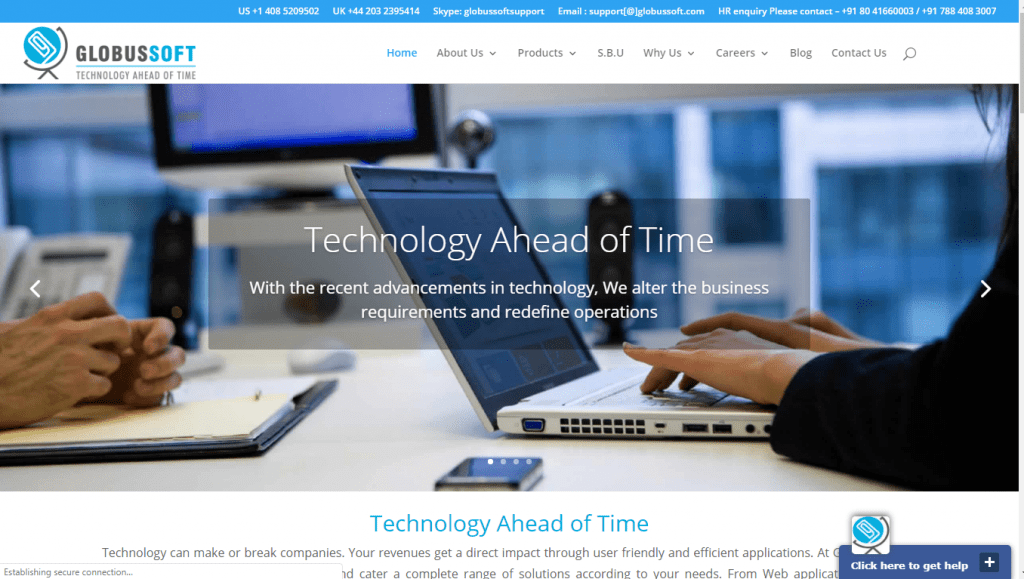
Choosing the right AI partner is just as important as choosing the right technology. Globussoft focuses on building intelligent, scalable solutions that help organizations unlock the real value of automation using the best artificial intelligence practices.
Globussoft designs AI-driven systems that adapt to business workflows instead of forcing businesses to adapt to technology. Their solutions combine data intelligence, automation frameworks, and machine learning models to streamline operations across industries such as IT, healthcare, finance, and enterprise services. This approach ensures automation delivers measurable outcomes, not just technical upgrades.
One of the key strengths of Globussoft is its ability to align ai for automation with real business objectives. Whether the goal is reducing operational costs, improving customer engagement, or accelerating decision-making, Globussoft builds customized AI solutions that scale as the business grows.
Security and performance are also central to Globussoft’s automation strategy. By implementing robust architectures and compliance-focused systems, the company ensures businesses can rely on the best artificial intelligence without compromising data protection or system stability.
Rather than offering generic tools, Globussoft acts as a long-term technology partner. Its focus on innovation, customization, and support makes it a strong choice for organizations looking to implement smart automation powered by the best artificial intelligence platforms.
Conclusion:
Smart automation is no longer about replacing manual tasks—it’s about creating intelligent systems that learn, adapt, and scale with business needs. Organizations that invest in the best artificial intelligence platforms gain a clear advantage by improving efficiency, accuracy, and decision-making across operations.
From understanding what makes an AI platform effective to exploring real-world use cases, one thing becomes clear: successful automation requires more than isolated tools. It needs a strategic approach where technology aligns with business goals. While free ai tools are useful for experimentation, long-term growth depends on robust platforms where automation and AI work together seamlessly.
Choosing the right partner also plays a critical role. Companies like Globussoft demonstrate how tailored AI solutions can help businesses implement smart automation that delivers real, measurable impact. By focusing on scalability, security, and customization, businesses can unlock the full potential of the best artificial intelligence without unnecessary complexity.
As AI continues to evolve, now is the right time to embrace intelligent automation. With the right platform and strategy in place, businesses can build future-ready systems that are efficient, resilient, and designed for sustainable growth.
Also read,
What is the Importance of Artificial Intelligence in Everyday Life?
FAQ’s
1. How does AI improve automation compared to traditional tools?
Traditional automation follows fixed rules and struggles with exceptions. AI-powered systems analyze patterns, make predictions, and continuously improve performance. This makes ai for automation more flexible, accurate, and effective across dynamic business environments.
2. Are free AI tools good enough for business automation?
Free ai tools are useful for basic tasks, experimentation, or individual productivity. However, for enterprise-level automation, they often lack scalability, integrations, security, and support. Businesses aiming for long-term growth usually require advanced AI platforms.
3. What industries benefit the most from AI-driven automation?
Industries such as IT services, healthcare, finance, e-commerce, manufacturing, and customer support benefit greatly. The best artificial intelligence platforms help automate workflows, analyze data, and improve decision-making across these sectors.
Quick Search Our Blogs
Type in keywords and get instant access to related blog posts.


 +91 8767115115