 India
India  UK
UK USA
USA 
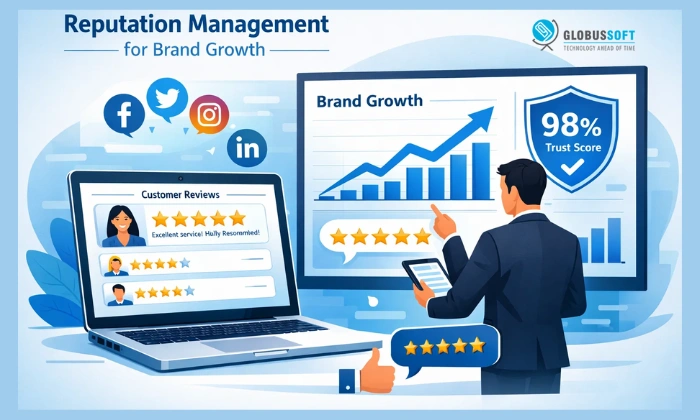
Customers today research, compare, and evaluate brands long before making a decision, which makes perception a powerful business asset. Reviews, ratings, social media conversations, and search engine results influence trust within seconds. Reputation management helps businesses actively shape that perception, strengthen credibility, and maintain a positive brand image in an environment where one comment or post can impact buying decisions.
A single negative review can influence hundreds of potential buyers. At the same time, strong brand credibility can accelerate growth faster than paid campaigns. That reality makes reputation management a strategic priority rather than a marketing afterthought.
This comprehensive guide explains what reputation management means, why it matters, how it works, and how organizations can build a sustainable strategy that protects long-term brand value.
In a hurry? Listen to the blog instead!
What Is Reputation Management?
Reputation management refers to the strategic process of influencing, monitoring, and maintaining how a brand appears across digital and offline channels. It involves shaping public perception through proactive communication, customer engagement, and content visibility.
Modern reputation management goes beyond responding to negative reviews. It includes:
- Monitoring online mentions
- Encouraging positive customer feedback
- Addressing complaints quickly
- Managing social media conversations
- Improving search engine visibility
The goal is simple: ensure that when someone searches for your brand, they see trust, credibility, and professionalism.
Why Has Reputation Management Become Essential For Businesses?
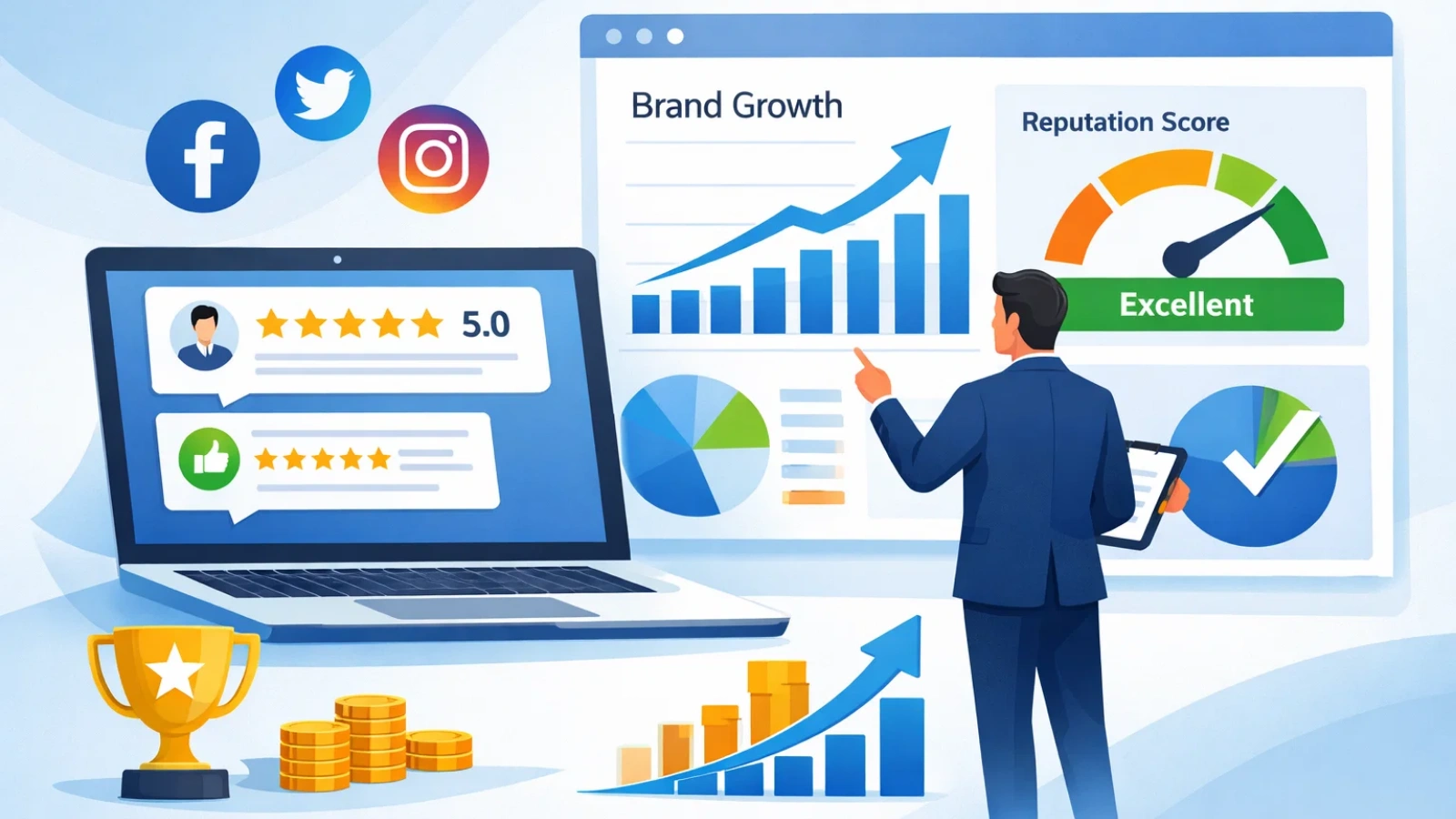
Consumer behavior has transformed significantly. Before making a purchase, customers carefully evaluate brands through reviews, ratings, testimonials, and social proof across multiple platforms. Every digital interaction contributes to how a business is perceived.
Strong reputation management delivers measurable business benefits:
- Builds Customer Trust: Positive reviews and transparent communication strengthen credibility and encourage first-time buyers to choose your brand confidently.
- Improves Conversion Rates: A strong brand image reduces hesitation during decision-making, leading to higher sales and improved revenue performance.
- Enhances Customer Retention: Consistent engagement and prompt issue resolution foster loyalty and long-term relationships.
- Boosts Search Engine Visibility: Positive brand signals, quality content, and review activity contribute to better search rankings and increased online discoverability.
- Creates Competitive Advantage: Businesses with stronger reputations attract more attention and outperform competitors in crowded markets.
To achieve these benefits, many companies invest in online reputation management services, which provide structured strategies, monitoring tools, and professional guidance to maintain and improve brand perception.
Organizations that neglect reputation management risk declining trust, reduced visibility, and lost opportunities in today’s transparent digital environment.
The Difference Between Traditional And Digital Reputation
In earlier times, a brand’s reputation grew through word-of-mouth referrals, community presence, and direct customer interactions. Local perception shaped business success, and information spread gradually within limited circles.
Today, digital platforms influence opinions at a global scale. A single review, comment, or post can reach thousands within minutes. Search engines and social media channels now serve as the first point of evaluation for potential customers.
Digital reputation management focuses on:
- Search Engine Results: What appears on the first page of search results directly impacts credibility and trust.
- Social Media Discussions: Conversations, comments, and shares shape public perception in real time.
- Online Reviews: Ratings on platforms like Google and industry-specific directories influence purchasing decisions.
- News Coverage: Articles, press mentions, and media features can strengthen or damage brand authority.
- Influencer Mentions: Recommendations or criticism from influential voices affect audience trust and engagement.
The growing importance of online visibility has made it necessary for businesses to monitor and manage their digital footprint consistently and strategically.
What Are The Core Components Of A Strong Reputation Strategy?
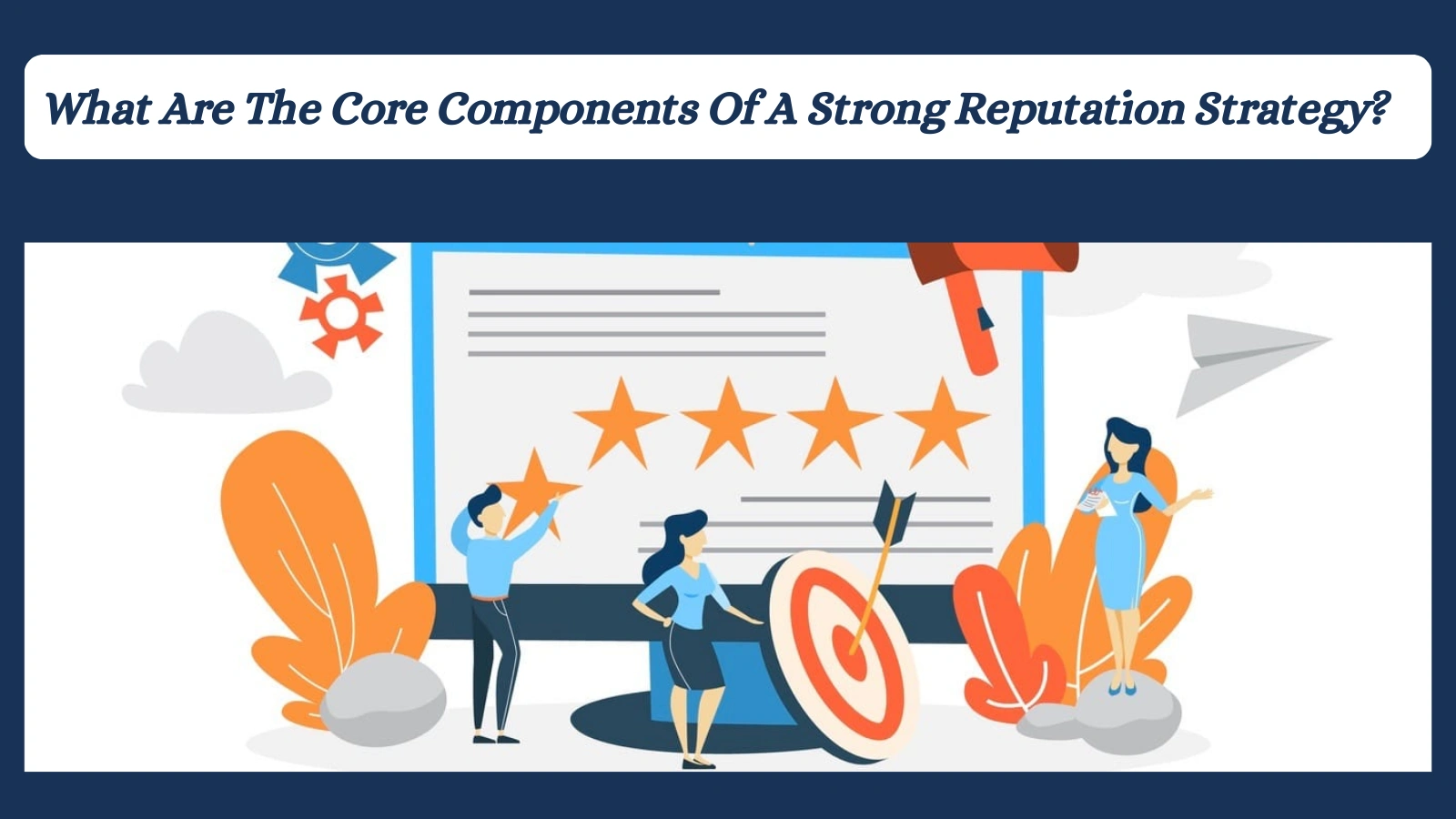
Effective reputation management requires a structured approach. It does not happen by accident.
1. Review Monitoring and Response:
Customers trust peer reviews more than advertising. Monitoring platforms like Google Reviews, Yelp, and industry directories ensures no feedback goes unnoticed.
Responding professionally to both positive and negative reviews strengthens credibility.
2. Social Media Engagement:
Social platforms amplify customer voices. Active engagement builds relationships and prevents minor issues from escalating into public crises.
3. Search Engine Visibility:
Search results influence perception instantly. Strategic content creation ensures positive information ranks higher than outdated or misleading content.
This is where seo reputation management plays a crucial role in shaping visibility.
4. Crisis Management Planning:
Every brand faces criticism at some point. A proactive response strategy prevents damage from spreading.
Prepared communication reduces panic and reinforces trust.
Also Read:
What Makes Us One Of The Best SEO Companies In India?
How Search Engines Influence Reputation?
Search engines serve as the first point of evaluation for potential customers, acting as gatekeepers of your brand’s reputation. When users search for your company, the results shape their initial impression. Negative or outdated content on the first page can harm credibility, while positive visibility strengthens trust.
Key strategies for managing search influence include:
Publishing Authoritative Content:
Create high-quality blogs, articles, case studies, and press releases that provide value, showcase expertise, and rank higher in search results.
Optimizing Positive Pages:
Ensure your website, product pages, and social profiles are SEO-optimized to appear prominently, pushing down negative or irrelevant content.
Building Trusted Backlinks:
Acquire links from reputable websites and industry sources to boost authority, improve rankings, and signal credibility to search engines.
Managing Branded Keywords:
Monitor and strategically target searches for your brand name, products, and services to control what information users see first.
Search engine visibility directly affects public perception, making strategic optimization a critical part of reputation management.
Also Read:
How Social Media Management Can Accelerate Your Business Growth
The Role Of Social Media In Reputation

Social media accelerates public opinion. Positive posts can go viral. So can complaints.
Businesses must monitor:
- Brand mentions
- Comments and replies
- Direct messages
- Hashtag discussions
Consistent engagement strengthens relationships and reduces misunderstandings. Modern social media management and reputation management require daily monitoring across platforms.
What Key Services Are Included In Reputation Management?
Professional reputation management services provide businesses with the tools, strategies, and expertise needed to maintain a positive brand image and respond effectively to challenges. These services go beyond simple monitoring, they create a structured approach to building trust and credibility online.
Key components often include:
- Brand Monitoring Tools:
Track mentions of your brand across social media, review sites, forums, and news outlets to identify potential issues or opportunities quickly. - Review Management Systems:
Collect, organize, and respond to customer feedback efficiently. Positive reviews are highlighted, while negative feedback is addressed promptly to maintain trust. - Crisis Response Planning:
Develop protocols for responding to negative publicity, social media backlash, or unexpected incidents to minimize reputational damage. - Content Strategy Development:
Produce authoritative and engaging content such as blogs, case studies, and press releases that enhance visibility, credibility, and SEO performance. - Search Optimization:
Improve the ranking of positive content and suppress outdated or negative information in search results, ensuring that first impressions online reflect your brand values.
Businesses with limited internal resources often partner with expert agencies or platforms to implement these services efficiently, achieving faster results and maintaining a consistent, credible online presence.
The Impact Of Negative Reviews
Negative reviews don’t automatically harm a business; ignoring them does. In fact, how a brand responds often matters more than the review itself. Customers expect transparency, honesty, and timely resolution of their concerns.
Effective reputation management treats criticism as an opportunity to demonstrate accountability and strengthen trust. Responding professionally can turn dissatisfied customers into loyal advocates, showing that the brand listens and values feedback.
Additionally, addressing negative reviews publicly signals to potential customers that the company is reliable, approachable, and committed to high-quality service. By analyzing patterns in feedback, businesses can also identify recurring issues and improve products, services, or customer experience, turning challenges into actionable growth strategies.
How Can Businesses Build A Proactive Reputation Strategy?
Brands that want long-term credibility must act before problems arise. A reactive approach creates unnecessary risk, while a structured and forward-thinking strategy builds stability. Companies such as Globussoft, known for developing intelligent digital solutions, emphasize the importance of systematic monitoring and strategic visibility to support sustainable brand growth.
To build a proactive framework, businesses should focus on the following:
Actively Encourage Positive Reviews:
Satisfied customers often remain silent unless prompted. Sending timely follow-up emails, feedback requests, or post-service messages increases the likelihood of authentic testimonials that strengthen brand credibility.
Publish Authoritative And Valuable Content:
Consistent blogs, case studies, industry insights, and press releases establish thought leadership. High-quality content improves search rankings and reinforces trust among potential customers.
Monitor Brand Mentions In Real Time:
Automated alerts and tracking tools allow businesses to identify conversations, reviews, or media mentions instantly. Quick responses prevent minor concerns from escalating into larger issues.
Engage Transparently With Your Audience:
Open communication across review platforms and social media channels demonstrates accountability and builds stronger relationships.
Analyze Reputation Data Regularly:
Reviewing sentiment trends, feedback patterns, and customer concerns helps refine strategies and strengthen long-term brand perception.
A structured reputation management strategy minimizes unexpected risks and ensures consistent brand positioning in competitive markets.
The Role Of Transparency In Brand Trust
Consumers value honesty and authenticity more than ever. Transparent communication builds loyalty, fosters long-term relationships, and helps brands navigate challenging situations without losing credibility. Strong reputation management emphasizes:
Clear Messaging:
Deliver concise, understandable, and consistent information across all platforms so customers know what to expect from your brand.
Honest Responses:
Address complaints, questions, or errors openly, acknowledging issues and providing realistic solutions to build confidence.
Consistent Updates:
Regularly inform customers about product changes, service improvements, or company developments to maintain reliability and prevent misinformation.
Authentic Brand Voice:
Communicate in a genuine, relatable tone that reflects your brand’s values and culture, creating a personal connection with your audience.
When applied consistently, transparency strengthens customer trust, reinforces credibility, and compounds into a loyal and supportive customer base over time.
How Can Data And Analytics Improve Your Reputation Strategy?
Making data-driven decisions is essential for effective reputation management. Analytics provide insights that help businesses understand how their brand is perceived and where improvements are needed.
Key areas to track include:
- Review Sentiment: Analyze customer feedback to identify trends, recurring issues, and areas where the brand is excelling or needs improvement.
- Engagement Metrics: Measure likes, shares, comments, and mentions across social media platforms to evaluate audience interaction and response.
- Search Rankings: Monitor how your brand and related content rank in search engines to ensure positive visibility outweighs negative or outdated information.
- Brand Visibility: Assess how often your brand appears across digital channels, including social media, news, forums, and review sites, to gauge overall online presence.
Modern reputation management relies on these measurable insights rather than guesswork, enabling businesses to make informed, strategic decisions that protect and enhance their brand image.
How Does Globussoft Help Businesses Grow Their Brand Online?
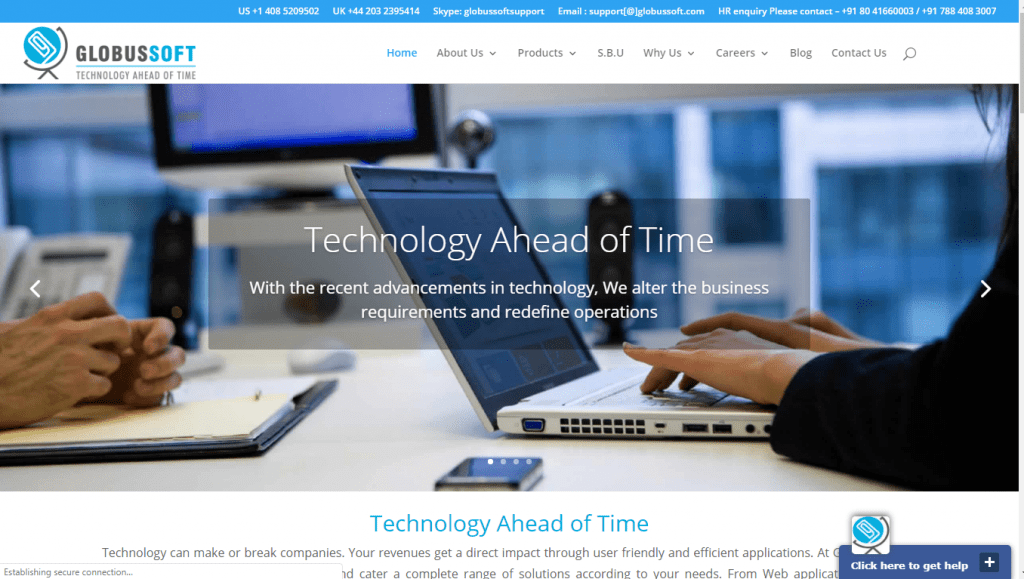
Globussoft operates as an AI-driven technology company that builds intelligent digital solutions for modern businesses. While its product ecosystem spans multiple domains, brand perception and digital visibility remain critical for every organization.
One relevant platform within the Globussoft ecosystem is Socioboard, a social media automation and management tool. Since social engagement plays a major role in reputation management, tools that help schedule posts, manage conversations, and analyze performance can indirectly strengthen brand credibility.
By enabling businesses to maintain consistent social communication, Socioboard supports structured reputation management efforts across platforms.
How Can Reputation Management Help Businesses In Competitive Industries?
Highly competitive markets require constant attention to brand perception. Industries like hospitality, healthcare, SaaS, and e-commerce face intense public scrutiny, where even minor negative feedback can impact customer trust and revenue.
Strategic reputation management helps businesses stay ahead by:
- Maintaining Consistent Positive Visibility: Regularly monitoring reviews, social mentions, and search results ensures the brand remains top-of-mind in a crowded market.
- Responding Quickly to Feedback: Addressing complaints or concerns promptly prevents small issues from escalating and shows customers that the business values their experience.
- Leveraging Positive Customer Experiences: Highlighting testimonials, success stories, and case studies strengthens credibility and sets the brand apart from competitors.
- Analyzing Industry Trends: Monitoring competitor strategies and public perception helps identify gaps and opportunities to differentiate the brand effectively.
In competitive industries, a proactive reputation strategy is not just beneficial, it’s essential for sustaining trust, building loyalty, and achieving long-term business growth.
Final Thoughts
Reputation shapes opportunity. Customers trust brands that demonstrate authenticity, responsiveness, and reliability across every digital touchpoint.
Effective reputation management demands consistent monitoring, proactive engagement, strategic search visibility, and transparent communication. Businesses that approach brand perception with structure and clarity build long-term credibility and stronger customer relationships.
Organizations that invest in well-defined reputation management strategies position themselves for sustainable growth in a digitally connected marketplace. In 2026 and beyond, reputation management will not remain optional. It will define brand survival and competitive advantage.
Companies looking to strengthen their digital presence can also collaborate with technology partners like Globussoft, which develops intelligent software solutions that support business growth, operational efficiency, and stronger digital ecosystems.
FAQs
1. How long does it take to see results from reputation management efforts?
Results depend on the current brand perception and the strategy applied. Minor improvements such as review responses and content updates may show impact within weeks, while rebuilding trust after negative publicity can take several months of consistent effort.
2. Can small businesses benefit from structured brand monitoring strategies?
Yes. Small businesses often rely heavily on local trust and customer reviews. A structured approach helps them compete with larger brands by strengthening credibility and increasing visibility in local search results.
3. How can negative reviews be handled effectively without harming brand image?
Businesses should respond promptly, remain professional, acknowledge concerns, and offer clear solutions. Transparent communication demonstrates accountability and often turns dissatisfied customers into loyal advocates.
4. Does social media activity directly impact brand perception?
Absolutely. Social media shapes public opinion in real time. Active engagement, consistent messaging, and timely responses influence how audiences perceive authenticity and reliability.

Quick Search Our Blogs
Type in keywords and get instant access to related blog posts.


 +91 8767115115