 India
India  UK
UK USA
USA 
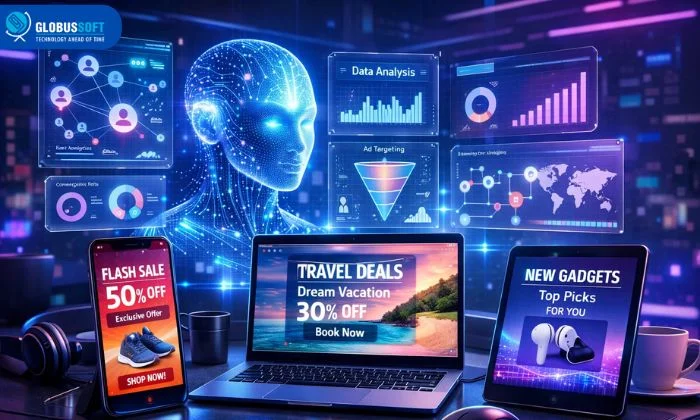
Digital marketing has come a long way from generic banner ads and one-size-fits-all campaigns. Today’s consumers expect brands to understand their preferences, anticipate their needs, and communicate in a way that feels personal rather than promotional. This shift is exactly why AI for personalized advertising is becoming a game-changer in the digital marketing landscape.
Traditional advertising relied heavily on broad demographics and assumptions. While it worked in the past, modern audiences are far more selective about what they engage with. Irrelevant ads are often ignored, skipped, or blocked altogether. Personalisation is no longer a “nice to have” — it’s an expectation.
No human team can process millions of behavioural signals in seconds. But AI can recognise patterns in user behaviour and deliver highly relevant ads in real time. From personalised product recommendations to dynamic ad creatives, AI is redefining how brands connect with their audiences. In this blog, we’ll explore why AI-driven personalisation is shaping the future of digital marketing and how businesses can leverage it effectively.
You can listen to this podcast here.
What Is AI for Personalized Advertising?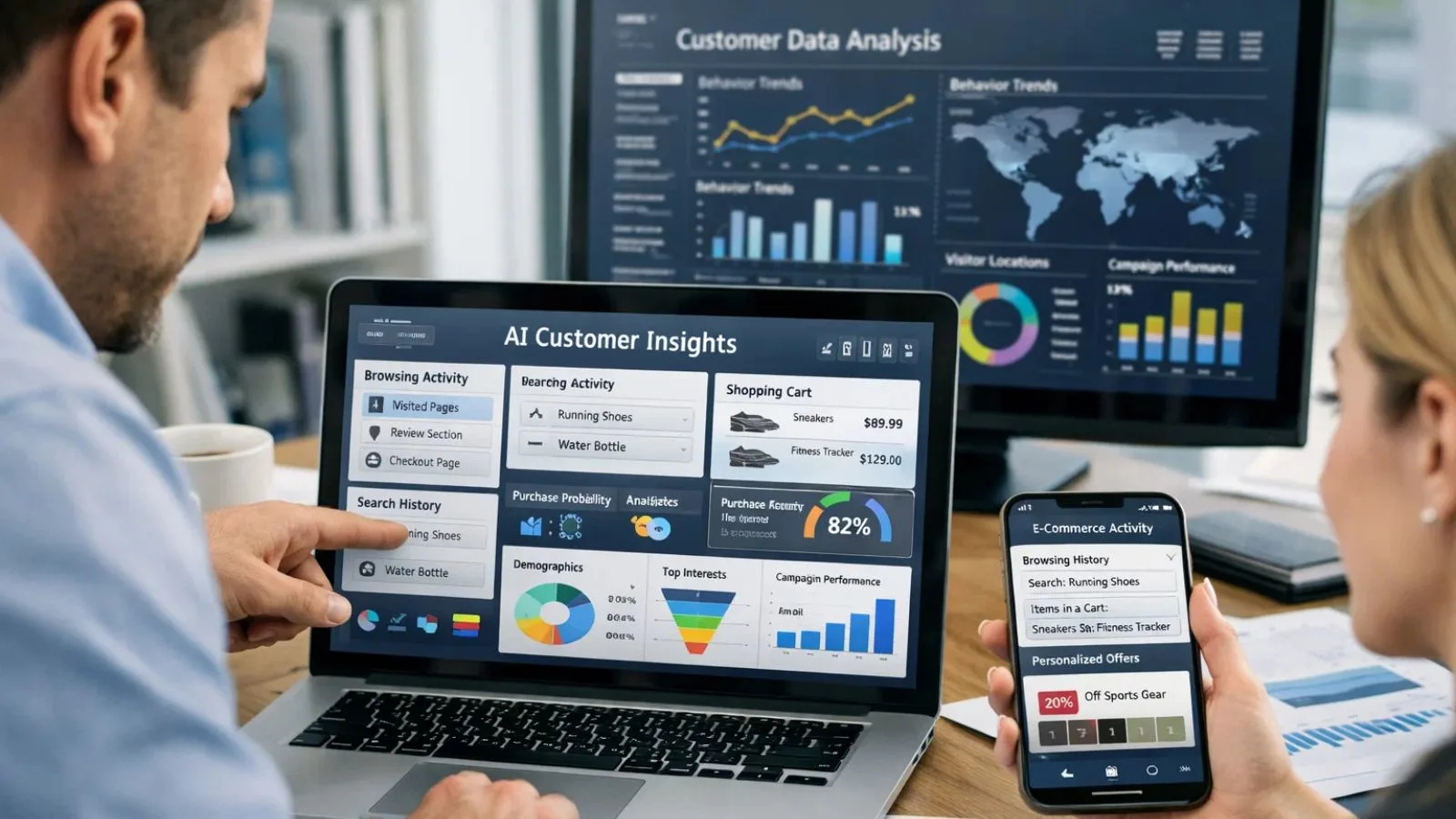
AI for personalized advertising refers to the use of artificial intelligence technologies to tailor ads based on individual user behaviour, preferences, and real-time context. Instead of showing the same message to everyone, AI helps brands deliver ads that feel relevant and timely to each user.
At its core, this approach combines data collection, machine learning, and automation. AI systems analyse data from multiple touchpoints—such as browsing history, app usage, search behaviour, and past purchases—to understand what a user is most likely to respond to. Based on these insights, ads are customized in terms of messaging, visuals, offers, and even timing.
Unlike traditional targeting methods that rely on static segments, AI-driven personalization continuously learns and adapts. As user behavior changes, the advertising strategy adjusts automatically. This is where personalization AI plays a critical role, enabling marketers to move from guesswork to data-backed decisions.
By focusing on relevance rather than reach, AI-powered personalized advertising helps brands create more meaningful interactions and stronger customer relationships.
Why Personalization Matters in Digital Marketing?
Modern consumers are constantly exposed to digital content, which makes their attention incredibly valuable. Generic messaging often gets lost in the noise, while personalized experiences stand out. This is why personalization has become a key driver of engagement and conversions in digital marketing.
When ads align with a user’s interests, needs, or current stage in the buying journey, they feel helpful rather than intrusive. Personalized campaigns tend to generate higher click-through rates, better conversion rates, and stronger brand recall. Over time, this leads to improved customer loyalty and trust.
This shift is largely powered by AI personalization marketing, which allows brands to understand audience behavior at a deeper level. Instead of grouping users into broad categories, AI enables micro-segmentation and one-to-one communication at scale.
Personalization also reflects a customer-first approach. It shows that a brand values relevance and respects the user’s time. In a competitive digital environment, this focus on meaningful engagement is what sets successful brands apart.
Key Technologies Behind AI-Powered Personalization
The effectiveness of AI-driven personalization depends on a combination of advanced technologies working together behind the scenes. These tools help marketers understand user behavior, predict intent, and deliver relevant advertising experiences at the right moment.
Machine Learning and Predictive Analytics
Machine learning algorithms analyze historical and real-time data to identify patterns in user behavior. Over time, these systems learn what types of ads perform best for specific audiences, enabling more accurate predictions and smarter ad delivery.
Natural Language Processing (NLP)
NLP allows AI systems to understand and interpret human language. This is especially useful for analyzing search queries, social media interactions, and customer feedback. It helps brands tailor messaging that aligns closely with user intent and tone.
Behavioral and Contextual Data Analysis
AI evaluates factors such as browsing behavior, location, device type, and time of interaction to personalize ads dynamically. This ensures users see content that fits their current context rather than generic promotions.
Together, these technologies form the backbone of personalized advertising, allowing brands to move beyond static campaigns and deliver adaptive, data-driven experiences.
Benefits of AI for Personalized Advertising
The growing adoption of AI for personalized advertising is driven by the clear advantages it offers to marketers and businesses. By focusing on relevance and real-time insights, AI helps brands achieve better results while creating more meaningful customer experiences.
Higher Engagement and Conversion Rates
Personalized ads are far more likely to capture attention than generic ones. When users see content that matches their interests or needs, they’re more inclined to click, explore, and convert. This leads to stronger campaign performance across channels.
Improved Return on Investment (ROI)
AI reduces ad spend wastage by targeting users who are most likely to respond. Instead of spreading budgets across broad audiences, marketers can focus on high-intent users, improving overall efficiency and campaign ROI.
Real-Time Personalization at Scale
One of the biggest advantages of AI is its ability to personalize thousands of ads simultaneously. From headlines to visuals and offers, ads can be adjusted in real time based on user behavior and context.
Enhanced Customer Experience
Relevant advertising feels less disruptive and more helpful. Over time, this builds trust and improves the overall brand perception, making customers more open to future interactions.
These benefits clearly explain why AI-driven personalization is becoming a core strategy in modern digital marketing.
Use Cases of AI in Personalized Advertising
AI-driven personalization is already being used across multiple marketing channels, helping brands deliver more relevant and engaging experiences. These real-world use cases show how AI for personalized advertising is applied in everyday marketing strategies.
Personalized Display and Social Media Ads
AI analyzes user interests, online behavior, and engagement history to show ads that are most likely to resonate. On platforms like social media and display networks, this leads to highly targeted ads that feel more natural within the user’s feed.
Email Marketing Personalization
AI helps tailor email subject lines, content, and send times based on user behavior. Personalized emails often see higher open and click-through rates compared to generic campaigns.
Dynamic Creative Optimization
With AI, ad creatives can change dynamically based on who is viewing them. Images, copy, and calls-to-action are adjusted in real time, ensuring each user sees the most relevant version of the ad.
Audience Segmentation and Retargeting
AI continuously refines audience segments by learning from user interactions. This allows marketers to retarget users with messages that match their current intent rather than relying on outdated data.
These use cases highlight how AI enables smarter, more adaptive advertising strategies across the digital ecosystem.
AI Content Personalization in Marketing Campaigns
Content plays a central role in modern advertising, and personalization is what makes that content truly effective. With AI, brands can move beyond static messaging and deliver tailored content experiences that align with individual user preferences and intent.
Using AI content personalization, marketers can customize headlines, visuals, product recommendations, and even storytelling formats based on user behavior. For example, a returning visitor might see content focused on advanced features, while a new user receives educational or introductory messaging. This level of relevance significantly improves engagement.
Another advantage is consistency across channels. Whether a user interacts with a brand through ads, emails, websites, or apps, AI ensures the messaging feels connected and personalized throughout the journey. This is where AI for content personalization becomes especially powerful, helping brands maintain a unified yet flexible communication strategy.
By personalizing content at scale, businesses can strengthen relationships, reduce bounce rates, and guide users more effectively through the customer journey—all while saving time and resources.
Challenges and Ethical Considerations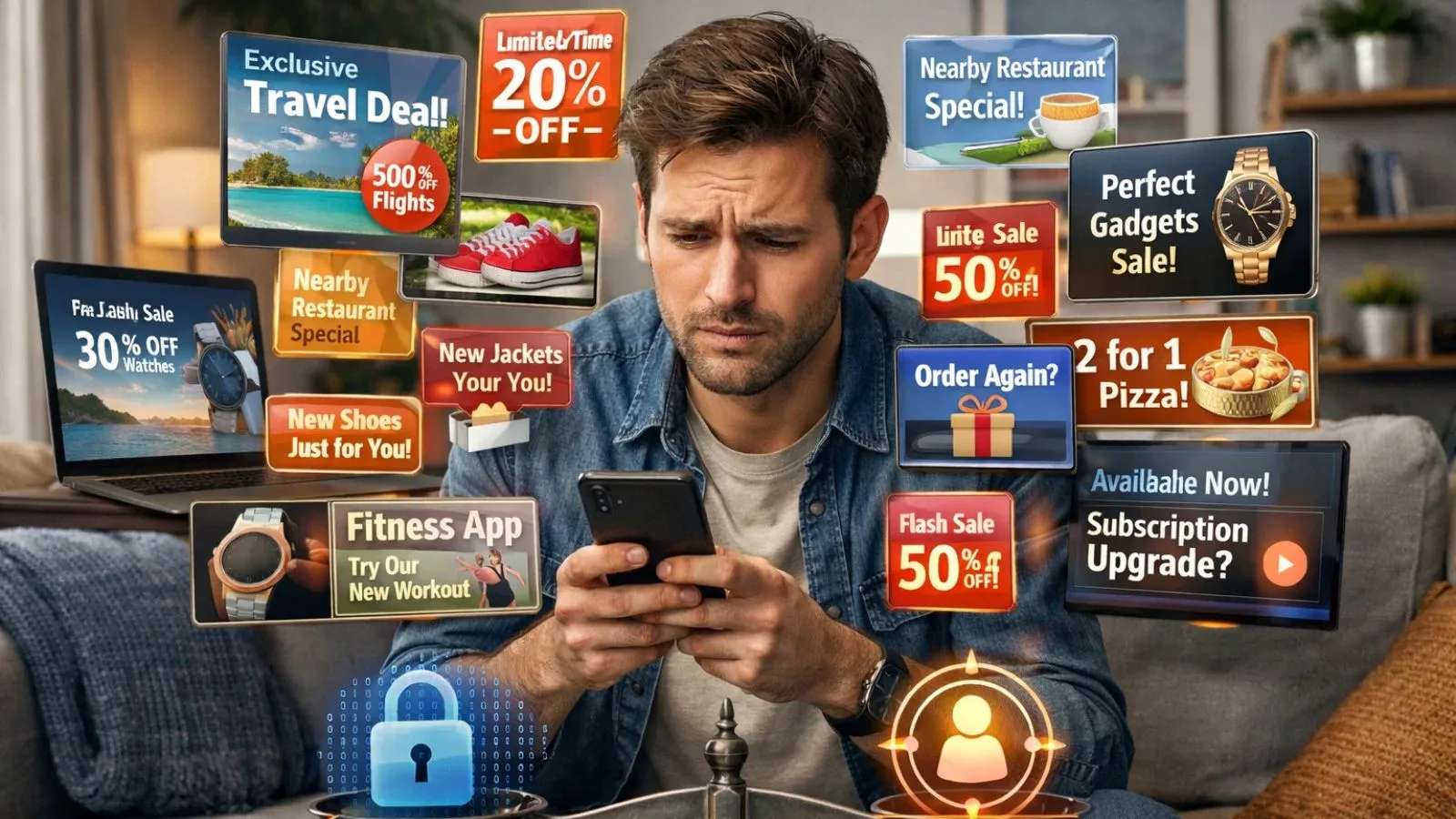
While AI for personalized advertising offers powerful advantages, it also comes with challenges that marketers must handle responsibly. As personalization becomes more advanced, concerns around ethics, transparency, and user trust grow equally important.
Data Privacy and User Consent
AI relies heavily on data to deliver personalized experiences. Collecting and using this data without clear consent can lead to privacy issues and regulatory risks. Brands must be transparent about how user data is collected, stored, and used, while complying with data protection laws.
Risk of Over-Personalization
Too much personalization can sometimes feel intrusive. When ads appear overly specific, users may feel uncomfortable or monitored. Striking the right balance between relevance and privacy is crucial to maintaining trust.
Bias in AI Algorithms
AI systems learn from existing data, which means biased or incomplete datasets can result in unfair targeting or exclusion. Regular audits and human oversight are necessary to ensure personalization strategies remain ethical and inclusive.
Maintaining Human Creativity
While AI automates personalization, creativity still requires a human touch. Relying entirely on automation can lead to repetitive or emotionless messaging. The most effective campaigns combine AI insights with human creativity and strategic thinking.
Addressing these challenges thoughtfully helps brands use AI responsibly while building long-term customer trust.
How Globussoft Supports AI-Driven Personalized Advertising?
As businesses explore AI-powered personalization, having the right technology partner makes a significant difference. Globussoft help organizations adopt and scale AI-driven advertising solutions in a structured and efficient way.
Globussoft supports businesses in leveraging data-driven insights to build smarter marketing strategies. Enabling advanced analytics, automation, and personalization capabilities, it helps brands deliver relevant advertising experiences across multiple digital channels.
Globussoft is also building practical AI tools that genuinely make marketers’ lives easier. With PowerAdSpy, teams can see what’s already working in the market, explore competitor ad strategies, and discover winning trends without spending hours on manual research.
On the creative side, AdsGPT helps generate compelling ad copy, fresh ideas, and tailored messaging in minutes — reducing the pressure of constant content creation. Together, these tools allow marketers to focus less on repetitive tasks and more on strategy, creativity, and real growth.
Rather than focusing on one-size-fits-all solutions, Globussoft emphasizes adaptable systems that align with evolving business needs. This allows marketers to implement AI-driven personalization while maintaining flexibility, transparency, and control over their campaigns.
With the right tools and expertise, businesses can turn AI personalization from a complex concept into a practical, results-driven strategy.
The Future of AI-Powered Personalization
The future of digital marketing is closely tied to how intelligently brands use personalization. As AI technologies continue to evolve, advertising will become more predictive, context-aware, and emotionally intelligent.
Emerging trends point toward deeper personalization based on real-time intent, behavioural signals, and cross-channel interactions. AI systems will increasingly anticipate user needs rather than simply reacting to past behaviour, making marketing more proactive and relevant.
At the same time, ethical AI and transparency will play a bigger role. Brands that prioritize responsible data use and meaningful personalization will stand out in an increasingly competitive digital space.
Ultimately, AI for personalized advertising is not just a trend—it’s a foundational shift in how brands communicate with consumers. Businesses that embrace it thoughtfully will be better positioned to build trust, drive engagement, and stay ahead in the future of digital marketing.
Also read,
FAQs
Is AI-powered personalization only for large businesses?
No. Many AI tools are scalable and accessible, allowing small and mid-sized businesses to use personalization effectively within their budgets.
How does AI personalize ads in real time?
AI analyzes user behavior and contextual data instantly, adjusting ad content, format, and timing to match user intent.
Is personalized advertising safe for customer data?
Yes, when implemented responsibly. Brands must follow data protection regulations and prioritize transparency and user consent.
Quick Search Our Blogs
Type in keywords and get instant access to related blog posts.


 +91 8767115115