 India
India  UK
UK USA
USA 

Businesses face constant pressure to operate faster, make smarter decisions, and deliver better customer experiences. One of the most effective ways to achieve this is through AI agents. These intelligent tools handle repetitive tasks, provide insights, and optimize workflows, allowing teams to focus on strategic goals. As Artificial intelligence agents continue to evolve, organizations that adopt them early can gain a competitive advantage, streamline operations, and increase productivity.
In this blog, we explore what AI agents are, how they work, recent updates, and how to build them.
In a hurry? Listen to the blog instead!
What Are AI Agents?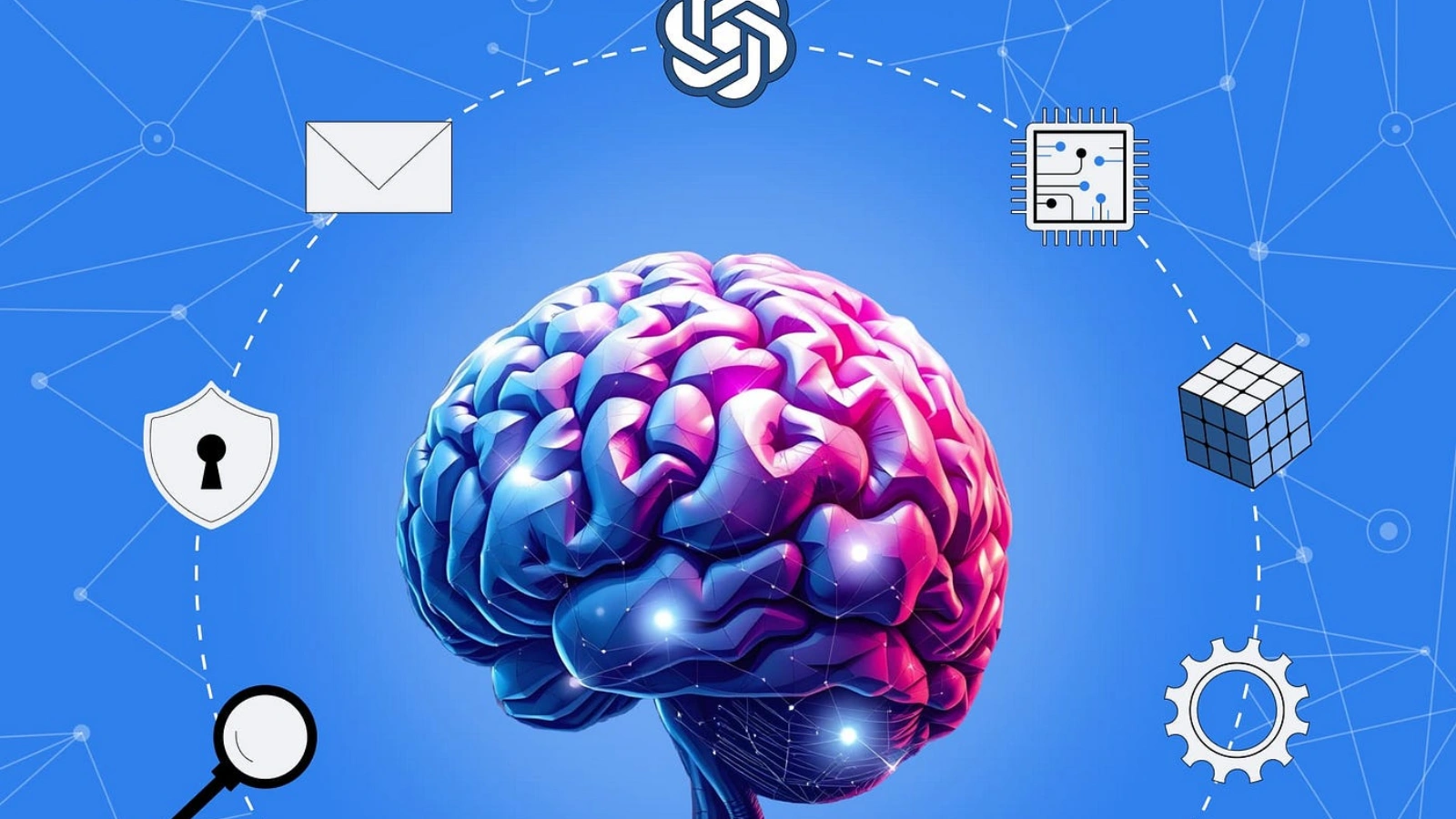
At its core, an AI agent is a software entity that acts autonomously or semi-autonomously to perform tasks on behalf of a user or system. Unlike traditional software, which follows fixed instructions, it can observe its environment, make decisions, and execute actions to achieve defined goals.
Types of AI Agents
It comes in various forms depending on its design and purpose:
- Reactive Agents – These agents respond instantly to specific inputs without storing past information. They make quick decisions based solely on the current environment, ideal for simple, real-time tasks.
- Goal-Based Agents – Designed to achieve specific objectives, these agents evaluate multiple potential actions, predict outcomes, and select the most effective path to accomplish a defined goal efficiently.
- Learning Agents – These agents improve over time by analyzing previous experiences and data patterns, adapting strategies, refining decision-making, and becoming more efficient at completing tasks in dynamic environments.
- Multi-Agent Systems – Consist of multiple agents working together to solve complex problems. They coordinate actions, share resources, and communicate to achieve tasks that a single agent cannot handle alone.
How AI Agents Differ from Traditional Software?
Traditional software operates strictly according to pre-defined rules and commands, requiring continuous human intervention for updates, maintenance, and decision-making. It cannot adapt to new patterns or unexpected scenarios without explicit programming. In contrast, it learns from data, identifies trends, predicts outcomes, and adjusts its actions automatically. This ability to adapt makes it more flexible, efficient, and scalable. Businesses can rely on artificial intelligence agents to handle complex tasks, optimize workflows, and improve performance in dynamic environments without constant supervision.
The Role Of AI Agents In Modern Business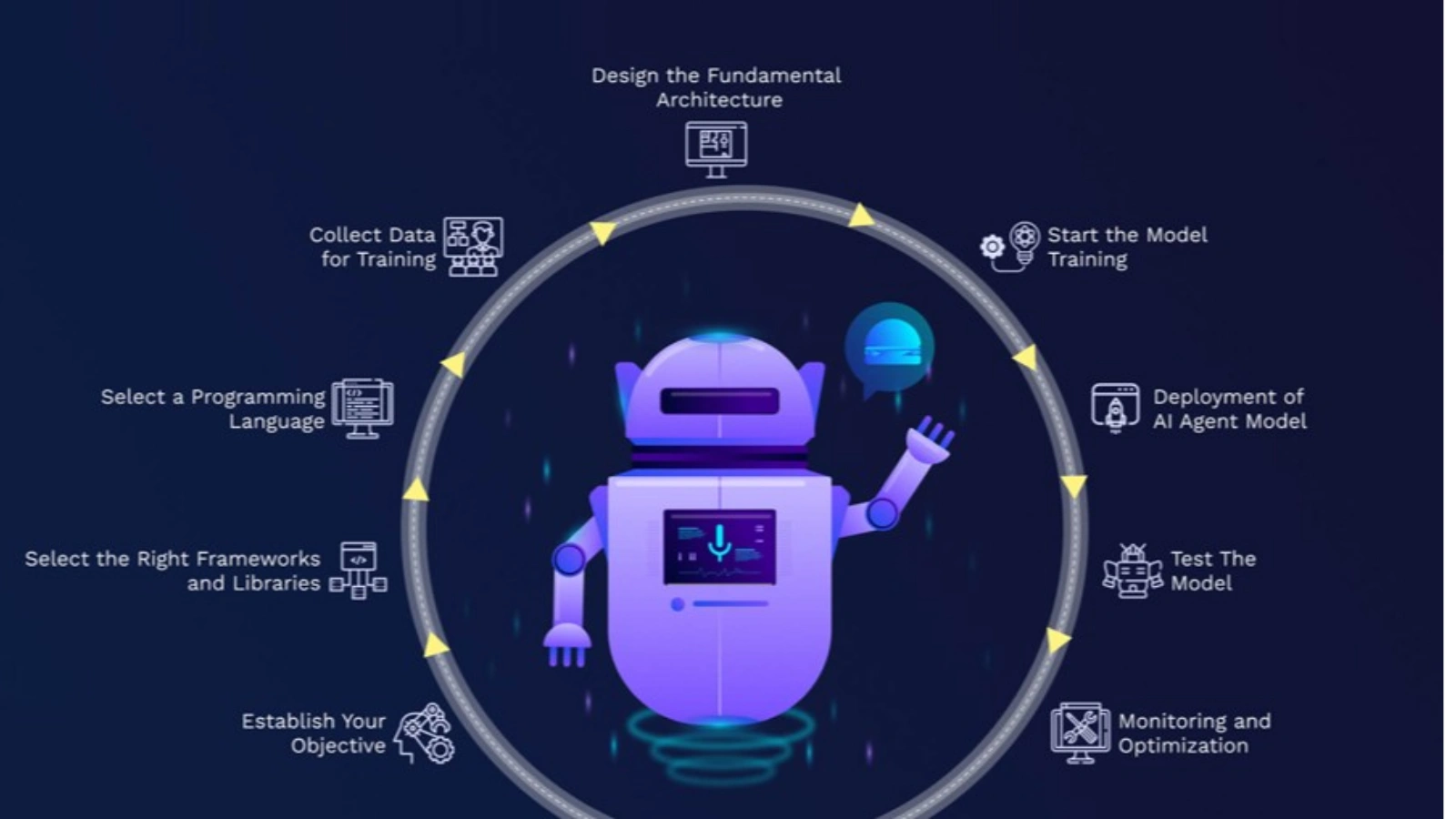
Artificial intelligence agents can revolutionize business operations by performing tasks faster, more accurately, and at a lower cost.
Automating Repetitive Tasks
Routine operations, such as scheduling, email responses, data entry, and report generation, consume valuable employee time. Artificial intelligence agents can automate these processes, reducing errors and freeing staff to focus on high-value work.
Improving Decision-Making and Predictive Insights
Artificial intelligence agents analyze data in real-time to provide actionable insights. Businesses can make faster, data-driven decisions on inventory, marketing campaigns, sales strategies, and financial forecasting. Predictive analytics powered by AI agents identifies trends before they impact operations.
Enhancing Customer Experience
Its agents interact with customers across multiple channels, including chatbots, virtual assistants, and personalized recommendation engines. They provide fast, accurate responses and tailor interactions based on customer preferences, boosting satisfaction and loyalty.
AI Agents Updates: What’s New In 2026
The AI agent landscape is constantly evolving. Here’s what businesses should know about Artificial intelligence agents updates in 2025:
Recent Advancements
-
Generative AI Integration
now autonomously create content, ad campaigns, and marketing materials, reducing manual effort, improving efficiency, and allowing businesses to execute high-quality outputs at a faster pace.
-
Improved Natural Language Understanding
Conversational AI agents understand context, tone, and intent more accurately, enabling human-like interactions, enhancing customer engagement, and providing personalized responses across multiple communication channels.
-
Enhanced Predictive Analytics
Artificial intelligence agents can analyze massive datasets within seconds, identify patterns, forecast trends, and provide actionable insights, allowing businesses to make informed, data-driven decisions quickly and confidently.
Integration with Cloud, Generative AI, and IoT
Modern Artificial intelligence agents connect seamlessly with cloud systems, IoT devices, and generative AI models. This allows businesses to collect real-time data, automate complex workflows, and personalize customer experiences on a large scale.
Business Benefits from Updated AI Agents
-
Retail Applications
Retailers use Artificial intelligence agents to manage inventory efficiently, predict stock needs, and provide personalized product recommendations, improving customer satisfaction, reducing waste, and increasing sales performance.
-
Marketing Advantages
Marketing teams leverage Artificial intelligence agents to design data-driven campaigns, optimize ad spend, and deliver targeted messaging, resulting in higher engagement, better conversion rates, and improved return on investment.
-
HR Efficiency
Human resource departments deploy AI agents for recruitment, onboarding, employee performance monitoring, and workflow automation, streamlining HR operations, enhancing employee experience, and supporting smarter, faster decision-making.
How To Build AI Agents?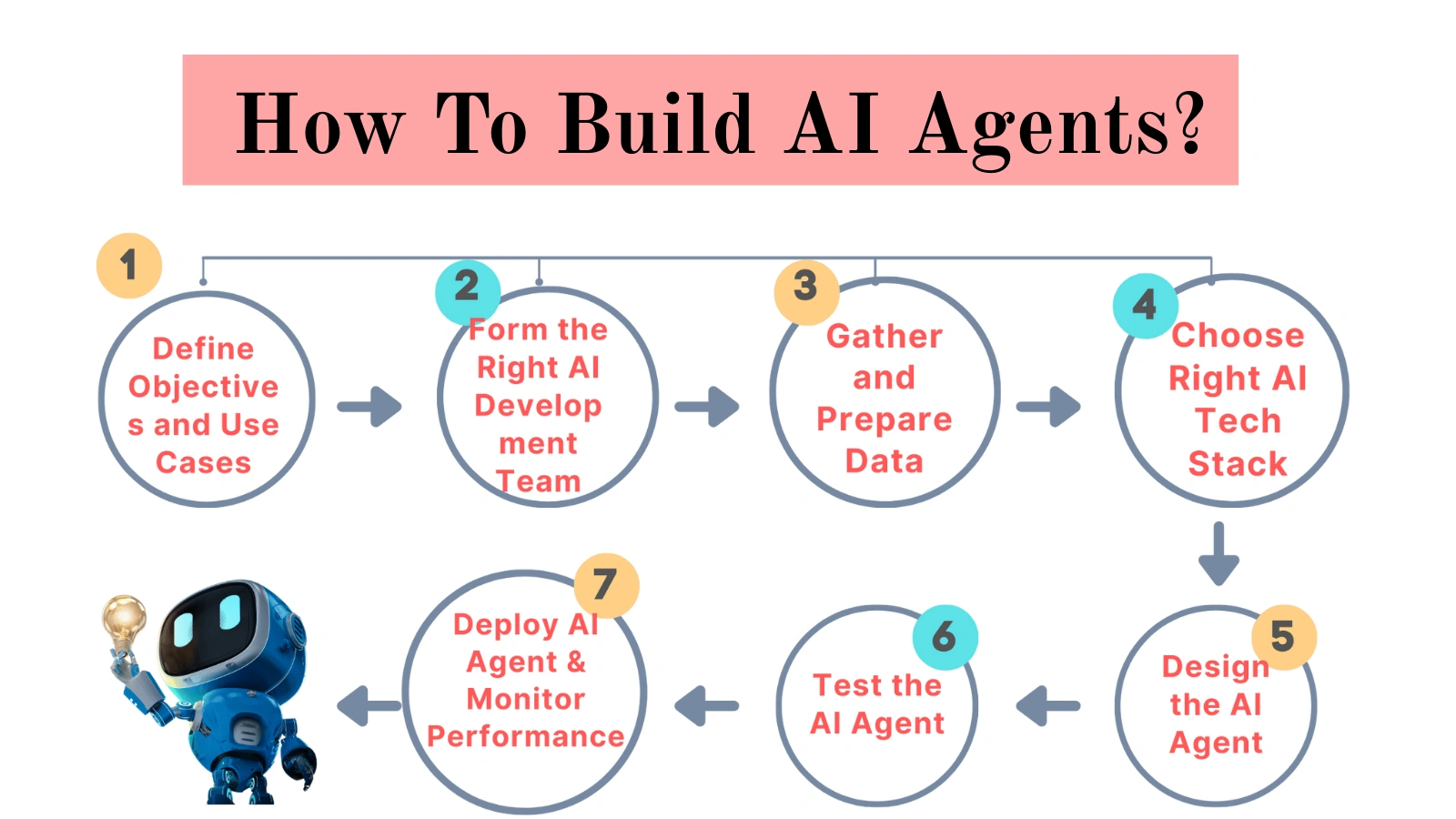
Building Artificial intelligence agents requires careful planning and execution. Here’s a step-by-step guide:
Step 1: Define the Business Problem
Identify the specific task or workflow you want the AI agent to handle. This ensures the solution aligns with business goals and provides measurable impact.
2: Choose the AI Agent Type
Select the type of AI agent that suits the task: reactive, goal-based, learning, or multi-agent systems.
3: Select the Right Tools and Platforms
Use AI development frameworks, cloud services, and APIs that simplify building and deploying Artificial intelligence agents. Tools like SaaStrac AI agents help businesses discover, compare, and implement AI solutions quickly.
4: Train the AI Agent with Data
Feed your AI agent structured and high-quality datasets. Training ensures it learns patterns, predicts outcomes, and makes accurate decisions.
5: Test and Iterate for Efficiency
Evaluate the AI agent’s performance in real scenarios. Fine-tune its algorithms, fix errors, and improve decision-making capabilities.
Also Read:
10 Best AI Agent Builders You Can Try In 2025
How To Launch An AI SaaS Startup That Actually Succeeds?
Common Challenges and Best Practices
- Data Quality – Ensure datasets are accurate, complete, and free from bias. High-quality data allows Artificial intelligence agents to make reliable predictions, optimize decisions, and deliver consistent, trustworthy results for the business.
- Integration – Seamlessly connect AI agents with existing systems and workflows. Proper integration ensures smooth operation, minimizes disruptions, and allows businesses to fully leverage AI capabilities without technical bottlenecks.
- Monitoring – Continuously track AI agent performance and update models as needed. Regular monitoring ensures accuracy, identifies potential errors, and keeps Artificial Intelligence agents aligned with evolving business goals.
- User Adoption – Train employees to use Artificial intelligence agents effectively. Encouraging familiarity and understanding improves efficiency, builds trust in AI-driven decisions, and maximizes the overall benefits of AI implementation.
Globussoft: Driving AI Agent Implementation
Globussoft is a leading provider of AI-powered solutions, helping businesses implement intelligent tools to optimize operations and drive growth. The company focuses on delivering innovative products that enhance efficiency and support automation across various functions. With tools like AdsGPT and PowerAdSpy, it helps marketers with advertising, providing them with competitive insight that they can replicate and create their own advertising strategy. Its ecosystem includes SaaStrac, which helps businesses discover the best AI agent tools.
Globussoft enables organizations to leverage AI agents effectively, streamline workflows, and make data-driven decisions. With a commitment to innovation and client success, Globussoft continues to empower businesses to achieve measurable results.
Benefits Of AI Agents For Businesses
It provides measurable advantages:
- Boost Efficiency – It handles repetitive tasks, streamlines workflows, and minimizes human errors, freeing teams to focus on high-value activities.
- Enhance Decision-Making – By analyzing data and predicting trends, AI agents provide actionable insights that support smarter and faster strategic decisions.
- Improve Customer Experience – AI agents deliver personalized, real-time responses, improving engagement, satisfaction, and loyalty across customer support and service channels.
- Increase ROI – Optimizing marketing campaigns, sales strategies, and operational processes, AI agents help businesses achieve higher returns on investments efficiently.
- Scalable Operations – AI agents grow with the business, adapting to changing needs, increasing productivity, and supporting expansion without additional resources.
Businesses that implement AI agents gain flexibility and a competitive edge, enabling teams to focus on innovation and growth.
Future Of AI Agents In Business
will continue to shape business operations in the coming years. Emerging trends include:
- Autonomous Agents – Capable of executing complex workflows with minimal supervision.
- Cross-Platform Integration – connecting systems from sales, HR, and marketing for unified operations.
- Hyper-Personalization – Delivering tailored experiences for customers and employees.
- Ethical AI Development – Ensuring fairness, transparency, and accountability in AI decision-making.
Businesses that adopt AI agents early can stay ahead in innovation, efficiency, and customer engagement.
Conclusion
AI agents are no longer optional; they are essential for businesses that want to operate efficiently and stay competitive. They automate routine tasks, enhance decision-making, and improve customer experiences, delivering measurable business outcomes. Investing in AI agents today equips organizations for a future that demands faster execution, smarter insights, and more efficient operations.
FAQs
Q1: What are AI agents?
Artificial intelligence agents are autonomous or semi-autonomous software entities that perform tasks, make decisions, and optimize workflows, helping businesses save time and increase operational efficiency.
Q2: How can AI agents improve business efficiency?
It automates repetitive tasks, delivers predictive insights, enhances customer interactions, and streamlines operations, allowing teams to focus on strategic goals and innovation.
Q3: What are the latest AI agent updates in 2025?
Artificial intelligence agents now integrate with generative AI, cloud platforms, and IoT devices, enabling smarter predictive analytics, autonomous content creation, and automated workflow management.
Q4: How to build AI agents for a business?
Start by defining the problem, selecting the right agent type, choosing suitable tools, training with quality data, testing, and iterating. Platforms like SaaStrac and Globussoft products simplify this process.
Q5: Why choose Globussoft and SaaStrac for AI agents?
They offer a complete ecosystem for AI agent discovery, deployment, and management, supporting marketing, HR, productivity, analytics, and seamless AI integration across business functions.
Quick Search Our Blogs
Type in keywords and get instant access to related blog posts.

 +91 8767115115