 India
India  UK
UK USA
USA 

The rise of AI-generated content has transformed how information is produced and shared. While AI tools enable fast content creation, they also raise concerns about authenticity and accuracy. Businesses, educators, and content creators need reliable ways to confirm that the material they share is genuine.
AI detectors serve this purpose. These tools help identify AI-generated text, videos, and other media, ensuring content integrity and protecting audiences from misinformation. Using AI detectors effectively ensures content remains high-quality and trustworthy.
Listen To The Podcast Now!
What Are AI Detectors?
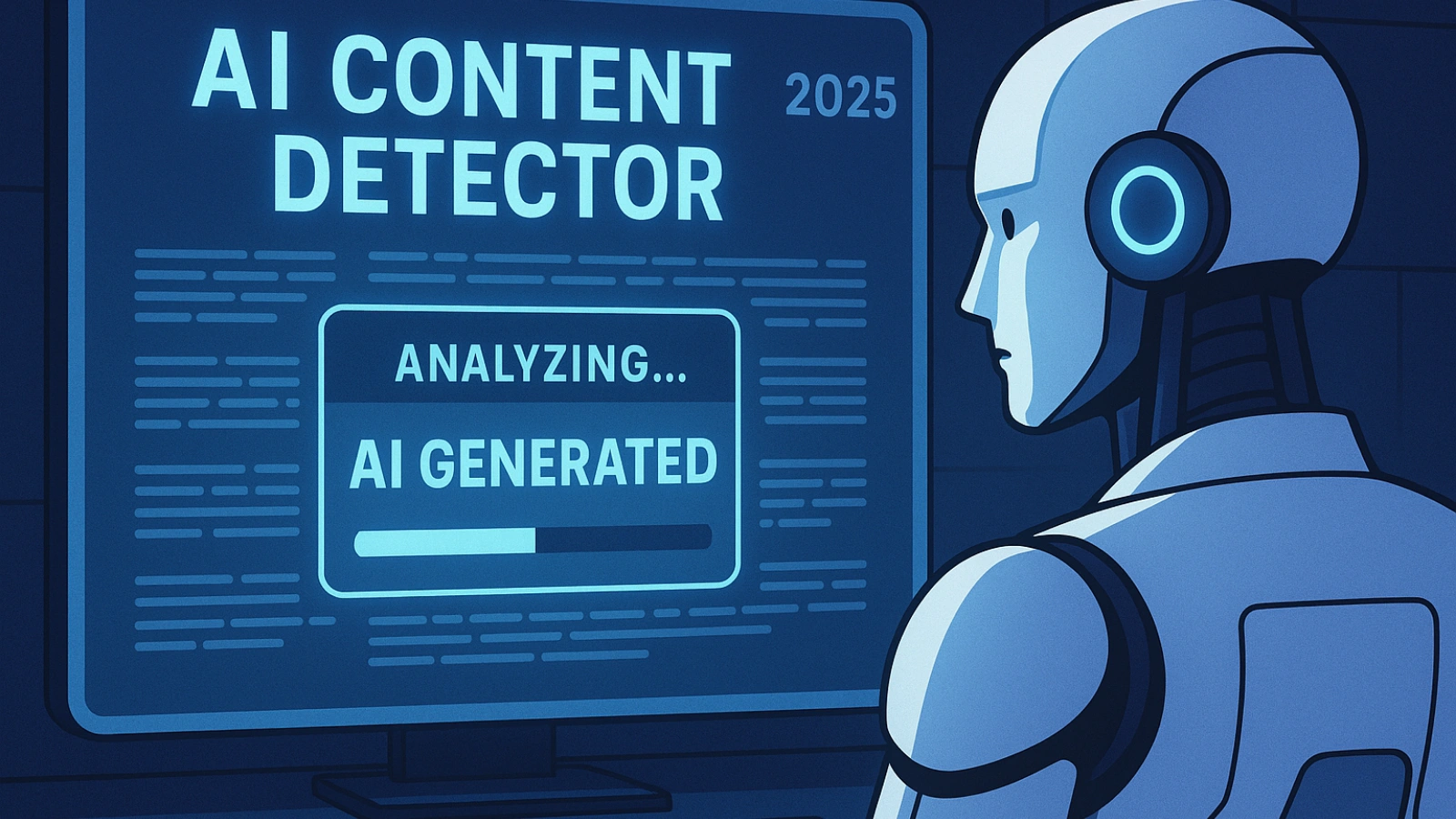
AI content detectors are software tools designed to analyze content and determine whether it was created by artificial intelligence. They scan for patterns, structures, and language usage that differ from human writing.
AI content detectors work by examining grammar, sentence patterns, word frequency, and predictability to spot AI-generated text. Advanced tools also analyze visual or audio content to identify AI manipulation.
Organizations use these tools across education, journalism, marketing, and corporate operations to maintain content credibility. AI detection helps prevent unintentional dissemination of AI-generated material while ensuring that published content remains authentic.
How Do AI Detectors Work?
Understanding how AI detectors work is key to leveraging them effectively. Most AI detection tools rely on machine learning and statistical analysis to identify AI-generated patterns.
Text Analysis:
AI content detectors analyze sentence structure, word choice, and repetitive patterns that are common in machine-generated content. By identifying unusual phrasing or algorithmic tendencies, these tools can flag text sections likely produced by AI, helping maintain content authenticity.
Semantic Analysis:
Detectors evaluate the meaning and logical flow of content. They spot inconsistencies, abrupt transitions, or sentences that don’t fit naturally. By comparing coherence with human writing patterns, these tools help identify areas that may have been generated by AI algorithms.
Multimedia Analysis:
For video and audio content, AI detectors scan for anomalies like repeated frames, unnatural voice modulation, or synthetic effects. By detecting irregularities invisible to casual viewers, these tools verify whether the media is authentic or generated using AI techniques.
Confidence Scores and Insights:
AI checker tools often assign confidence levels to flagged sections, indicating the likelihood of AI authorship. These scores guide reviewers to prioritize verification, make informed edits, or approve content, ensuring high-quality and trustworthy outputs across platforms.
AI checker tools often provide confidence scores, highlighting sections likely generated by AI. Using these insights, content reviewers can make informed decisions about editing, approval, or verification.
Why AI Detection Is Important?
Why is AI detection important? It ensures content authenticity, maintains credibility, and prevents the spread of misinformation.
For businesses, publishing unverified AI-generated content can damage reputation and customer trust. Educators rely on AI detection to uphold academic integrity, while media outlets use it to verify factual reporting.
In all cases, AI detection is critical for quality control. It ensures content aligns with audience expectations and organizational standards, safeguarding accuracy and trustworthiness.
Popular AI Content Detectors
AI content detectors help identify machine-generated content across various types of media. These tools analyze writing patterns, sentence structures, and contextual flow to determine whether content is likely created by AI.
Different AI content detectors use approaches such as text predictability, linguistic analysis, and coherence checking to highlight sections that may not match natural human writing. Some systems provide scores or indicators, helping reviewers focus on areas that require verification.
By using AI detectors, organizations can ensure content authenticity, maintain credibility, and prevent the unintentional spread of AI-generated material. These detectors are valuable in industries such as education, publishing, and corporate communications, where trust and accuracy are essential.
This generic approach makes AI detection accessible without referencing specific products while explaining how these solutions support content verification.
How To Use AI Detectors Effectively?

To use AI detectors successfully, follow these steps:
- Select the Right Approach: Choose an AI detection method that fits your content type, such as text, images, or video. Selecting the appropriate approach ensures accurate analysis and meaningful results for verifying authenticity.
- Analyze Content Thoroughly: Review the material carefully by checking flagged sections and patterns identified by the AI detector. Pay attention to unusual structures, repetitions, or inconsistencies that may indicate machine-generated content.
- Interpret Results Wisely: Use the insights provided by the detection process to make informed decisions regarding editing, approval, or further review. Consider the context and quality of content rather than relying solely on automated scores.
- Combine Detection Methods: Applying multiple detection approaches enhances accuracy. Using different analysis techniques helps reduce errors and false positives, ensuring that content verification is reliable and trustworthy before any public use or distribution.
- Integrate Into Workflow: Make AI detection a standard step before publishing or sharing content. Regularly scanning content ensures consistency, reinforces authenticity, and builds trust with audiences while supporting ethical and credible communication practices.
By following these steps, teams can verify content efficiently and maintain trust with their audience.
Also Read:
How To Enhance Security With AI Video Surveillance?
How AI Technology Trends Are Powering Business Growth?
Common Challenges In AI Detection
Despite their usefulness, AI detectors face challenges. Highly structured human-written content may trigger false positives, while advanced AI can mimic human writing patterns, making detection difficult.
Mixed-content pieces containing both AI-generated and human-written sections require careful evaluation. Detection tools also need frequent updates to keep pace with advancing AI capabilities.
Combining automated detection with human review ensures the most accurate results and prevents misinterpretation.
Applications Of AI Detectors
In today’s fast-paced content environment, distinguishing between human-written and AI-generated material has become essential. AI detectors provide a reliable way to verify authenticity, ensuring that text, images, and multimedia remain trustworthy, accurate, and high-quality.
Marketing:
Businesses can use AI content detectors to ensure that website content, social media posts, and email campaigns are original. This helps maintain credibility, prevent plagiarism, and protect brand reputation while delivering trustworthy content to audiences.
Education:
Academic institutions rely on AI detection to identify AI-generated essays or assignments. Detecting machine-written work preserves academic integrity, ensures fair evaluation, and helps students develop genuine skills while preventing misuse of AI for coursework.
Corporate Compliance:
Companies apply AI detection to monitor internal and external documentation. This prevents misinformation, enforces policy adherence, and ensures that communications and reports meet regulatory standards and maintain accountability across departments.
Media:
News organizations use AI detection to verify articles and reports. Ensuring content authenticity strengthens credibility, reduces the spread of false information, and supports accurate reporting in journalism and public communications.
General Benefits: Regular use of AI detectors promotes reliability, accountability, and high-quality content creation. Integrating these practices helps organizations maintain trust with their audience and reduce risks associated with AI-generated misinformation.
By incorporating AI content detectors into regular workflows, organizations can maintain content integrity, build audience trust, and ensure accountability, ultimately supporting reliable communication and effective decision-making across industries.
Best Practices For AI Detection
To maximize AI detection effectiveness, follow these best practices:
- Scan Content Before Publication Consistently
Regularly checking all content before it goes live helps catch AI-generated or low-quality sections early. This ensures only authentic material reaches your audience, reducing risks of misinformation and maintaining credibility across platforms. - Use Multiple AI Checker Tools for Improved Accuracy
Relying on more than one detection tool increases the reliability of results. Different AI detectors use varied algorithms, so combining insights reduces false positives and ensures a more thorough evaluation of content authenticity. - Train Teams to Interpret Detection Results
Detection results are only useful if understood correctly. Educate content creators and reviewers on how to read flagged sections, confidence scores, and patterns to make informed decisions about editing, approval, or further review. - Stay Updated With Evolving Detection Algorithms
AI technologies evolve rapidly, and so do AI detectors. Regularly updating tools and staying aware of changes in detection methods ensures that your processes remain effective against the latest AI-generated content patterns. - Make Detection a Standard Part of Content Workflows
Integrate AI detection into daily content processes rather than using it as an occasional check. Standardizing scans for articles, social posts, or multimedia ensures consistent authenticity, builds audience trust, and strengthens overall content quality.
These practices ensure content remains authentic and trustworthy, maintaining audience confidence.
Conclusion
AI-generated content is widespread, making verification essential. AI detectors help ensure content authenticity, protect credibility, and prevent the spread of misinformation.
Using AI content detectors and AI checker tools, teams can maintain high content quality, safeguard audience trust, and streamline content verification processes. Consistent use of detection tools, combined with human review, ensures content remains reliable, factual, and professional.
By following best practices and leveraging AI detection effectively, organizations can maintain integrity and build confidence with their audiences while navigating the evolving landscape of AI-generated content.
FAQs
- What are AI detectors?
AI detectors are tools designed to identify AI-generated content by analyzing patterns, sentence structures, and linguistic markers, enabling teams to confirm content authenticity and maintain credibility efficiently. - How do AI detectors work?
AI content detectors use algorithms, machine learning, and statistical analysis to find AI writing patterns, unnatural phrasing, or anomalies in text, video, or audio content, helping verify material effectively. - Why is AI detection important?
AI detection ensures content remains original, accurate, and trustworthy. It prevents misinformation, safeguards credibility, and supports accountability across industries where authentic content is essential. - What are AI content detectors and AI checker tools?
These tools scan content to identify AI-generated sections, providing insights, confidence scores, and analysis that help teams approve, edit, or verify material before publication. - How can businesses benefit from using AI detectors?
AI detectors help businesses maintain content integrity, reduce the risk of plagiarism, enhance trust with audiences, and improve compliance with industry standards for quality and authenticity. - Where can AI detection be applied?
AI detection is useful in marketing, education, corporate compliance, and media to maintain content quality and authenticity.
Quick Search Our Blogs
Type in keywords and get instant access to related blog posts.


 +91 8767115115