 India
India  UK
UK USA
USA 

Building strong customer relationships is at the heart of every successful business. It’s not just about delivering products or services—it’s about creating meaningful connections that foster loyalty, repeat business, and positive word-of-mouth.
Customer relationship management (CRM) is a strategic approach that helps businesses understand, engage, and support their customers throughout the entire journey. By tracking interactions, preferences, and feedback, companies can provide personalised experiences, anticipate needs, and strengthen trust.
With the right tools and strategies, businesses of any size can transform customer interactions into long-term value, making clients feel truly valued and understood.
You can listen to this Blog here.
What Is Customer Relationship Management?
Customer relationship management (CRM) is a strategy and process that helps businesses manage interactions with current and potential customers. At its core, CRM is about understanding customer needs, tracking communications, and building stronger, long-term relationships.
Some key aspects of CRM include:
- Organizing customer information: Keeping contact details, purchase history, and communication records in one place
- Improving communication: Ensuring consistent and timely follow-ups across sales, marketing, and support
- Analyzing data: Understanding customer behavior to make informed business decisions
It’s important to note the difference between CRM and customer resource management. While the terms are sometimes used interchangeably, CRM focuses on the customer experience and relationship-building, whereas customer resource management emphasizes managing resources to support customer interactions.
By implementing effective CRM practices, businesses can enhance customer satisfaction, increase retention, and ultimately drive growth.
Key Benefits of CRM for Businesses
Implementing a solid CRM system brings a range of advantages that can transform the way a business interacts with its customers. Here are the main benefits:
- Streamlined Communication: CRM ensures that every customer interaction is tracked, making follow-ups and personalized messaging easier and more consistent.
- Better Customer Insights: By analyzing purchase history, preferences, and behavior, businesses gain valuable insights that inform marketing and sales strategies.
- Improved Retention and Loyalty: Understanding customer needs helps deliver tailored experiences, increasing satisfaction and long-term loyalty.
- Enhanced Efficiency: Automating routine tasks and centralizing information reduces manual work for sales and support teams, allowing them to focus on building relationships.
These benefits show why CRM software is essential for businesses looking to maintain strong connections and improve operational efficiency.
Types of CRM Systems
CRM systems come in different types, each designed to address specific business needs. Understanding these types helps companies choose the right approach for managing customer relationships effectively.
- Operational CRM
- Focuses on automating and streamlining customer-facing processes such as sales, marketing, and customer service.
- Helps teams manage leads, track interactions, and ensure consistent communication.
- Analytical CRM
- Emphasizes data analysis and reporting to gain insights into customer behavior and trends.
- Enables businesses to make informed decisions, forecast sales, and optimize marketing strategies.
- Collaborative CRM
- Facilitates information sharing across departments, ensuring sales, marketing, and support teams are aligned.
- Enhances customer experience by providing a unified view of interactions and history.
By choosing the right CRM type, businesses can focus on improving efficiency, gaining insights, and fostering collaboration—all critical for strong customer relationships.
How CRM Software Transforms Business Operations?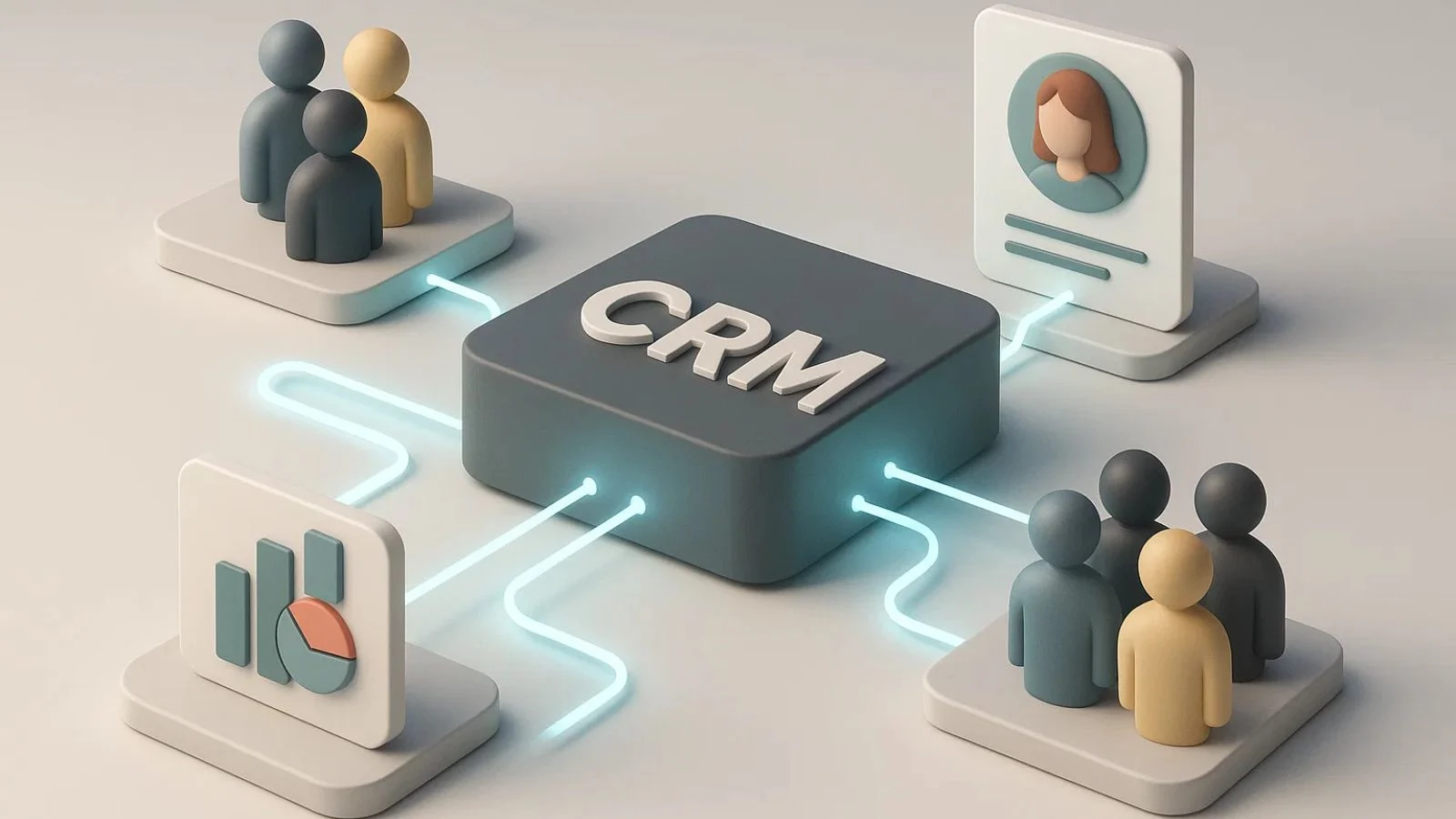
CRM software acts as the backbone for managing customer relationships efficiently. It centralizes all customer information in one platform, making it easy for teams to access and use data effectively.
Key ways CRM software transforms operations include:
- Centralized Customer Data: Stores contact information, purchase history, and previous interactions, allowing teams to provide personalized service.
- Automated Processes: Automates repetitive tasks like follow-ups, reminders, and email campaigns, freeing up time for strategic work.
- Lead and Sales Tracking: Monitors leads, sales pipelines, and customer journeys to ensure no opportunity is missed.
- Enhanced Customer Support: Provides support teams with complete context, enabling faster and more effective problem resolution.
With the right CRM software, businesses not only improve efficiency but also create a seamless experience that strengthens trust and loyalty with customers.
Features to Look for in a CRM System
Choosing the right CRM system can make all the difference in managing customer relationships effectively. Here are some essential features to consider:
- Contact Management and Segmentation: Easily organize contacts, categorize them by behavior or demographics, and target the right audience with personalized messaging.
- Task Automation and Workflow Management: Automate follow-ups, reminders, and sales processes to save time and reduce errors.
- Reporting and Analytics Dashboards: Gain insights into sales trends, customer behavior, and campaign performance to make data-driven decisions.
- Integration with Other Tools: Connect with email platforms, social media, and marketing tools to ensure seamless operations across departments.
Selecting a CRM with these features ensures businesses can streamline operations, provide better service, and strengthen customer relationship management practices.
Common Mistakes Businesses Make Without CRM
Without a proper customer relationship management system, businesses often face challenges that can harm customer satisfaction and growth. Common mistakes include:
- Losing Track of Customer Interactions: Without a central system, follow-ups are missed and communication becomes inconsistent.
- Disorganized Data: Scattered spreadsheets and notes make it hard to understand customer needs or track history.
- Poor Customer Service: Teams lack context, leading to slow responses and frustration for customers.
- Manual, Time-Consuming Processes: Sales and support staff spend too much time on repetitive tasks instead of building relationships.
Avoiding these pitfalls is crucial, and implementing a reliable CRM software can help businesses stay organized, efficient, and customer-focused.
How Globussoft Can Help with CRM?
For businesses looking to streamline customer interactions and improve relationships, Globussoft offers an effective CRM solution. Beyond CRM, Globussoft also specializes in building scalable SaaS products that support the entire customer lifecycle—from lead capture to post-purchase engagement.
Key benefits of using Globussoft services include:
- Provides intelligent tools for customer relationship management, social media management, and automated communication workflows.
- Helps brands manage conversations, monitor customer sentiment, and respond faster across multiple channels.
- Offers strong SaaS development expertise to build customized platforms tailored to business needs.
- Enhances customer support through smart automation and centralised communication systems.
- Strengthens client engagement with real-time insights and personalized interaction tools.
- Ensures long-term customer retention by enabling data-driven decision-making and performance analysis.
Best Practices for Implementing CRM Successfully
Implementing a CRM system effectively requires more than just installing software—it’s about strategy, consistency, and user adoption. Here are some best practices:
- Define Clear Goals: Identify what you want to achieve with CRM, such as improving customer retention, increasing sales, or enhancing service.
- Train Your Team: Ensure all employees understand how to use the CRM and follow consistent processes.
- Keep Data Clean and Updated: Regularly update customer information to maintain accuracy and relevance.
- Use Insights to Drive Decisions: Leverage analytics to improve marketing campaigns, sales strategies, and customer support.
- Start Small, Scale Gradually: Begin with key features and expand as your team becomes more comfortable with the system.
Following these practices ensures that CRM implementation strengthens customer relationships and delivers measurable business results.
Conclusion:
Effective customer relationship management is essential for businesses that want to build lasting connections with their clients. By organizing customer data, streamlining communication, and leveraging insights, companies can deliver personalized experiences that drive loyalty and satisfaction.
Tools like Globussoft make implementing CRM easier, helping businesses manage interactions efficiently, automate repetitive tasks, and gain actionable insights. When used strategically, CRM not only improves operational efficiency but also strengthens trust and long-term relationships with customers.
Investing in CRM is investing in your customers—stronger connections today lead to growth and success tomorrow.
FAQs
- What is the difference between CRM and customer resource management?
CRM focuses on managing customer relationships and interactions, while customer resource management emphasizes managing resources that support these interactions. - How does CRM software help businesses improve customer relationships?
It centralizes customer data, automates tasks, and provides insights, enabling personalized communication and efficient service. - Can small businesses benefit from CRM?
Absolutely. CRM helps businesses of all sizes organize data, engage customers effectively, and grow relationships. - What are the most important features to look for in a CRM system?
Key features include contact management, automation, analytics, reporting, and integration with other tools. - How does Globussoft simplify CRM implementation?
Globussoft provides a user-friendly platform with centralized data management, automation, analytics, and collaboration features, making CRM adoption easier for teams.
Quick Search Our Blogs
Type in keywords and get instant access to related blog posts.


 +91 8767115115