 India
India  UK
UK USA
USA 
The digital world keeps changing at lightning speed, and having a solid seo strategy isn’t just a nice-to-have anymore; it’s essential for boosting visibility, engagement, and conversions for businesses of all sizes.
Whether you’re running a startup, managing an established brand, or leading a global enterprise, knowing how to build an effective SEO plan can completely transform your online presence.
In this blog, we’ll walk you through the key elements of search engine optimization, sharing frameworks, tools, and practical tactics that drive lasting organic growth. Along the way, we’ll also introduce Globussoft, an AI‑driven platform packed with intelligent software solutions that can strengthen your digital growth and enhance your overall online ecosystem.
In a hurry? Listen to the blog instead!
What Is A SEO Strategy?

An SEO strategy is a detailed, long‑term plan that outlines how your website will attract more organic traffic from search engines like Google, Bing, and DuckDuckGo. Rather than random optimization efforts, an effective strategy prioritizes purpose, intent, and measurable outcomes.
At its core, a successful SEO strategy revolves around understanding user intent, optimizing content for relevance, and creating authority signals that help search engines trust your brand. When done right, this approach leads to higher search engine rankings, increased visibility, and a steady stream of qualified visitors.
Why Do You Need A Strong SEO Strategy Today?
Search engines have evolved dramatically over the past decade. With advancements in natural language processing, AI‑powered indexing, and user behavior analytics, SEO is no longer about keyword stuffing or quick wins. A strategic approach is crucial for several reasons:
- Sustainable Growth: A structured SEO strategy helps your site earn organic visibility over time without relying solely on paid advertising.
- User Experience: Search engines increasingly reward sites that offer clear navigation, mobile‑friendly design, and fast loading times.
- Competitive Edge: The majority of businesses are investing in organic search. Having a clear strategy allows you to outpace competitors.
- Audience Insights: SEO tools and analytics reveal audience behavior and preferences, empowering smarter marketing decisions.
A comprehensive SEO strategy ensures your efforts align with both search engines and user expectations, creating a win‑win scenario. Many businesses turn to SEO best companies to develop and implement strategies that deliver sustainable results and keep them ahead in the competitive digital landscape.
Understanding SEO Fundamentals: What Do You Need To Know?
Before diving into advanced SEO techniques, it’s important to understand the basics. Let’s break down the fundamentals so you can build a strong foundation.
What Are Keywords and Why Does User Intent Matter?
Keywords are the building blocks of any SEO strategy, but today it’s not just about matching words, it’s about understanding why people are searching. Search engines now try to interpret user intent, which can be categorized into three types:
- Informational: Are users looking for answers or knowledge?
- Transactional: Are users ready to make a purchase or take action?
- Navigational: Are users trying to find a specific website or brand?
Knowing the intent behind a search query helps you target the right audience and improve the chances that visitors will engage with your content or take desired actions.
How Does On-Page SEO Work?
On-page SEO is all about optimizing the elements on your website so that both visitors and search engines understand your content. Key areas to focus on include:
- Title Tags: Clear, concise titles that highlight what your page is about.
- Meta Descriptions: Short summaries that encourage users to click.
- Headers (H1, H2, etc.): Organized structure that makes content easier to read.
- Content Quality: Informative, original content that meets user needs.
- Internal Linking: Helps search engines understand your site structure and spreads authority across pages.
By paying attention to these areas, you ensure that your website communicates effectively with AI search engines and matches the intent of your audience.
Also Read:
How Do You Craft An Effective Seo Strategy Step By Step?
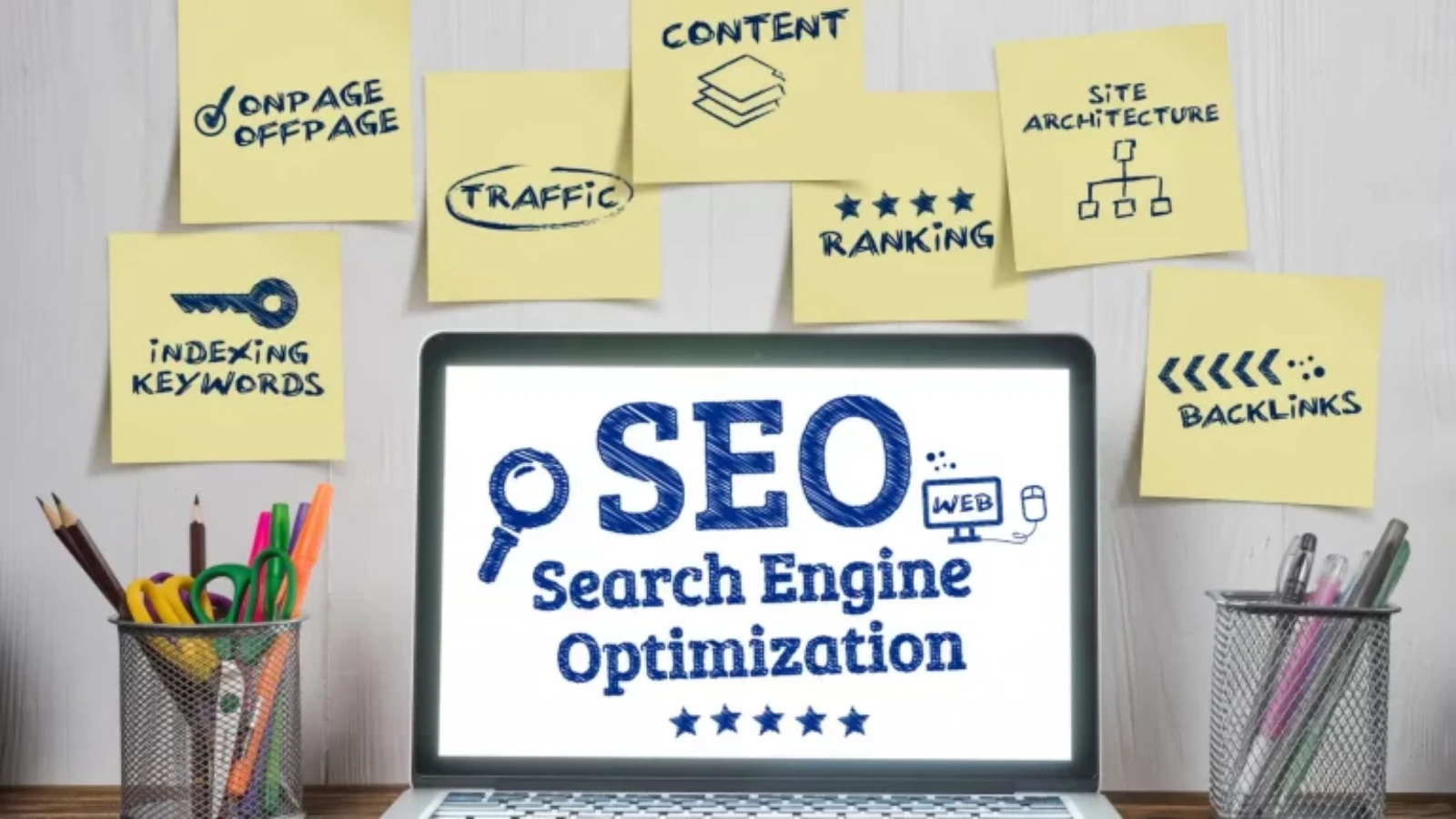
A successful SEO strategy involves a series of planned steps that work together holistically. Here’s a practical framework you can follow:
1. Conduct a Comprehensive SEO Audit:
An initial SEO audit lays the groundwork for your strategy. It should include:
- Site Crawl: Identify errors, broken links, duplicate content, and indexing issues.
- Content Review: Evaluate existing content for relevance and performance.
- Technical SEO: Check site speed, mobile usability, and structured data.
- Backlink Profile: Analyze the quality and quantity of external links.
Tools such as Google Search Console, Screaming Frog, and Ahrefs can provide valuable insights. Regular auditing helps you stay on top of issues that might weaken your search performance.
2. Perform Keyword Research:
Keyword research unlocks the terms your target audience uses. Focus on:
- Search Volume: Potential audience size.
- Keyword Difficulty: Competitive landscape.
- Relevance: How closely the keyword matches your content offering.
- Long‑Tail Keywords: Lower competition and highly specific search intent.
Make sure your keyword list supports different stages of the buyer journey, from awareness to conversion.
3. Build Content Around Intent:
Content is at the heart of every SEO strategy. To maximize impact:
- Map content types to user intent.
- Prioritize quality over quantity.
- Include multimedia elements like images, videos, and charts where relevant.
- Use semantic keywords naturally.
Well‑structured, informative content keeps users engaged and signals relevance to search engines.
4. Optimize for Technical Performance:
Technical SEO ensures your site can be crawled and indexed with ease. Critical factors include:
- Page Speed: Faster sites rank better and reduce bounce rates.
- Mobile‑First Indexing: Since most searches happen on mobile, mobile‑friendly design is vital.
- Secure Protocols: HTTPS helps build trust and is favored by search engines.
- Structured Data: Helps search engines understand content context.
Technical optimization removes barriers that prevent your content from performing well in search results.
5. Create a Strategic Link Building Plan:
Authority in SEO is often tied to external endorsements, links from reputable sources. A thoughtful approach to external links can significantly improve your domain authority.
Instead of cheap link schemes, prioritize natural opportunities such as guest posting on authoritative blogs, participating in industry conversations, or creating link‑worthy assets like research reports and unique tools.
This is where link building strategies for SEO come into play, focusing on relevance and quality rather than volume.
6. Track Performance and Iterate:
SEO success can only be measured. Establish KPIs such as:
- Organic traffic growth
- Keyword rankings
- Click‑through rates (CTR)
- Conversion rates
- Engagement metrics
Use analytics tools to track these indicators and refine your SEO strategy based on real data.
Why Is Content The Pillar Of Your SEO Strategy?
Quality content serves multiple purposes in your SEO strategy. It informs, persuades, and connects with your audience. When content aligns with search intent and provides real value, it naturally earns engagement and backlinks.
Best practices for content creation in 2026 include:
-
Writing content that solves specific user queries.
-
Integrating your primary keyword (like seo strategy) contextually throughout your content without stuffing.
-
Using supporting terms and variations that add semantic richness.
-
Leveraging AI content creation tools to streamline research, generate ideas, and produce optimized content efficiently.
-
Updating content to maintain freshness and relevance.
Remember: content isn’t just text, interactive tools, helpful videos, and dynamic visuals can enhance user experience, encouraging more time on page.
Also Read:
How Can Local SEO Optimization Help Your Business Attract Nearby Customers?
While global visibility matters, many businesses rely on localized traffic. local seo strategies help you capture nearby customers who are actively searching for products or services in your region.
For effective local SEO:
- Claim and optimize your Google Business Profile.
- Encourage customer reviews and respond to them.
- Ensure your name, address, and phone number are consistent across directories.
- Create localized content that speaks to community needs.
Local SEO ensures that businesses like brick‑and‑mortar stores, service providers, and regional enterprises show up prominently in local search results.
The Role of User Experience In Your SEO Strategy
Search engines are prioritizing user experience like never before. Core Web Vitals, mobile usability, and intuitive navigation all contribute to how well your site performs in organic rankings.
A positive user experience means:
- Fast page loading.
- Clear structure that’s easy to follow.
- Useful content that answers users’ questions.
- Visually engaging layouts that keep users interested.
Your SEO strategy should actively consider UX improvements because they affect both search visibility and user satisfaction.
How Can AI Tools Enhance Your SEO Strategy?

Artificial intelligence (AI) and automation are transforming the way businesses approach SEO. They don’t just save time, they provide insights and efficiencies that were previously hard to achieve manually.
Here’s how AI can make a real difference:
- Suggesting Topic Ideas: AI tools analyze search trends, user behavior, and competitors to recommend content topics that are likely to perform well.
- Competitor Analysis: Automated tools can quickly evaluate competitor websites, backlink profiles, and content strategies, helping you identify opportunities and gaps.
- Understanding User Behavior: Machine learning can track patterns in user interactions, engagement, and preferences, enabling more precise optimization of content and website structure.
At Globussoft, we deliver advanced digital marketing solutions powered by AI to help marketers work smarter and faster. Platforms like AdsGPT and PowerAdSpy enable the creation of optimized ad content, provide deep insights into competitor strategies, and reveal opportunities that drive results. When integrated into your SEO efforts, these AI-driven tools support quicker, data-backed decisions, enhance content relevance, and contribute to sustained organic growth.
AI isn’t just a trend; it’s a way to work smarter, anticipate audience needs, and stay ahead in a competitive digital landscape.
What Makes Globussoft An AI‑Driven Platform For Digital Success?
Globussoft is a leading AI-driven technology company offering a comprehensive suite of software and digital marketing solutions to help businesses succeed in an increasingly digital landscape. Beyond technology development, we provide performance-focused digital marketing services, including SEO and SEM, designed to improve visibility, attract high-intent traffic, and maximize return on investment.
What sets Globussoft apart is the integration of artificial intelligence into both our services and platforms. Our AI-powered marketing tools, such as AdsGPT and PowerAdSpy, help businesses create optimized ad content, analyze competitor strategies, and uncover data-driven opportunities.
By combining advanced AI tools with expert-led SEO and SEM strategies, we enable brands to make smarter decisions, enhance content relevance, and achieve sustainable growth across channels.
Advanced SEO Tactics That Drive Results
Now that you understand the foundations and strategic frameworks, let’s explore advanced tactics that take your seo strategy to the next level:
Content Silos and Topic Clusters:
Organize your content around core topics supported by clusters of related subtopics. This structure helps search engines understand your site’s relevance and authority on subject areas.
Featured Snippet Optimization:
Target specific queries that trigger featured snippets by crafting concise, structured answers. Winning a snippet means enhanced visibility and higher click‑through rates.
Voice Search Optimization:
With voice‑enabled devices on the rise, optimizing content for conversational queries and long‑tail keywords can give you an edge in search results.
Schema Markup and Rich Results:
Using structured data helps search engines present your content in rich formats, such as product reviews, FAQs, and event details, boosting visibility and user engagement.
Final Thoughts
A successful SEO strategy in 2026 and beyond rests on a clear understanding of user intent, precise keyword targeting, high-quality content, technical strength, and ongoing optimization.
SEO is not a one-time effort, it is a continuous process of learning, adapting, and evolving alongside search behavior and technology.
With thoughtful planning and intelligent execution, SEO becomes more than a traffic driver; it turns into a sustainable growth engine that delivers measurable, long-term impact.
FAQs
1. How long does it take to improve website visibility organically?
Results usually start appearing within 3–6 months, depending on competition, website quality, and consistency of optimization efforts.
2. What are common mistakes that hurt search performance?
Common issues include slow site speed, duplicate content, poor mobile usability, broken links, and lack of quality backlinks.
3. How can small businesses attract more local customers online?
Optimizing local listings, collecting reviews, creating location-based content, and maintaining consistent contact information can help attract nearby customers.
4. What role does user experience play in online growth?
A well-designed website with fast loading, intuitive navigation, and engaging content encourages longer visits, more interactions, and repeat traffic.
5. How do backlinks affect website authority?
High-quality backlinks from reputable sources signal trust and relevance to search engines, helping improve overall website credibility and ranking potential.
Quick Search Our Blogs
Type in keywords and get instant access to related blog posts.

 +91 8767115115