 India
India  UK
UK USA
USA 
The corporate world is constantly evolving, and HR management has grown far beyond a simple departmental function; it has become the backbone of organizational success. Companies are recognizing that effective HR management can boost employee productivity, streamline daily operations, and cultivate a positive workplace culture.
From recruitment to performance monitoring, modern HR practices handle a variety of tasks efficiently and intelligently.
This blog explores the importance of managing human resources effectively, the tools and software that make the process seamless, and how innovative platforms like Globussoft are transforming the way businesses handle workforce operations.
Hit ‘Play’ Button & Tune Into The Blog!
What Is HR Management And Why It Matters For Your Organization?

It refers to the strategic approach of managing people within an organization. Its primary objective is to maximize employee performance while ensuring alignment with business goals. In the traditional sense, HR was often limited to hiring, payroll, and compliance. However, today, it encompasses talent management, employee engagement, performance tracking, and workforce analytics.
Good HR management not only focuses on operational efficiency but also emphasizes employee satisfaction and retention. Companies with robust HR systems are better equipped to identify skill gaps, reward top performers, and create an inclusive work environment.
What Are The Key Functions Of HR Management?
Effective people operations involve a variety of critical functions that keep an organization running smoothly and its employees engaged. A skilled human resources manager ensures these HR responsibilities are handled efficiently, often with the support of modern HR tools that streamline and simplify daily tasks.
By understanding and implementing these key functions, companies can ensure productivity, compliance, and overall workforce satisfaction.
Recruitment and Onboarding:

Recruiting the right talent is essential for building a strong and productive workforce. From screening resumes to conducting interviews and managing onboarding, HR teams play a crucial role in ensuring that the most suitable individuals join the organization.
Performance Management:
Tracking employee performance and providing regular feedback is essential. Modern HR management systems allow managers to monitor progress through performance metrics and identify areas for improvement.
Employee Engagement:
A motivated workforce drives productivity. HR teams implement programs to boost morale, such as rewards, team-building activities, and career development opportunities.
Compliance and Policy Enforcement:
HR ensures that all workplace policies, labor laws, and safety regulations are adhered to. This prevents legal issues and fosters a safe and fair work environment.
Payroll and Benefits Administration:
Managing compensation, bonuses, and employee benefits falls under core HR responsibilities. When these processes are handled efficiently, it ensures timely and accurate salary disbursements, which strengthens employee trust and overall satisfaction.
Training and Development:
Continuous learning is crucial for employee growth. HR teams identify skill gaps and provide training programs to enhance capabilities, contributing to overall business success.
Also Read:
Top HR Responsibilities And How They Impact Business Growth
What Are The Major Challenges In Modern HR Management?
Even with the rise of advanced technology, HR teams still encounter several challenges that can influence organizational efficiency, employee satisfaction, and ultimately customer relationship management. Recognizing these obstacles is the first step toward building stronger, more effective workforce solutions.
Managing a Remote and Distributed Workforce:
With more employees working remotely, HR teams must ensure smooth communication, collaboration, and performance tracking across different locations and time zones. Coordinating a distributed workforce requires reliable HR tools and clear policies.
Tracking Employee Productivity Accurately:
Measuring productivity goes beyond hours worked. HR must track task completion, engagement levels, and output quality. Without accurate monitoring, organizations risk decreased efficiency and missed opportunities for improvement.
Maintaining Employee Engagement and Motivation:
A disengaged workforce can significantly affect productivity. HR must create programs, incentives, and feedback mechanisms to keep employees motivated, connected, and aligned with company goals.
Ensuring Compliance Across Regions:
Organizations operating in multiple regions face diverse labor laws and regulations. HR must ensure adherence to legal standards, workplace safety, and internal policies to avoid penalties and maintain trust.
Managing and Securing Employee Data:
Modern HR management involves handling large volumes of sensitive employee data. Protecting this information from breaches, errors, or misuse is critical, requiring secure systems and proper access controls.
These challenges highlight the importance of HR management tools and software that simplify processes, enhance oversight, and provide actionable insights, helping HR teams tackle complex workforce issues efficiently.
How Can Technology Transform Modern HR Management?
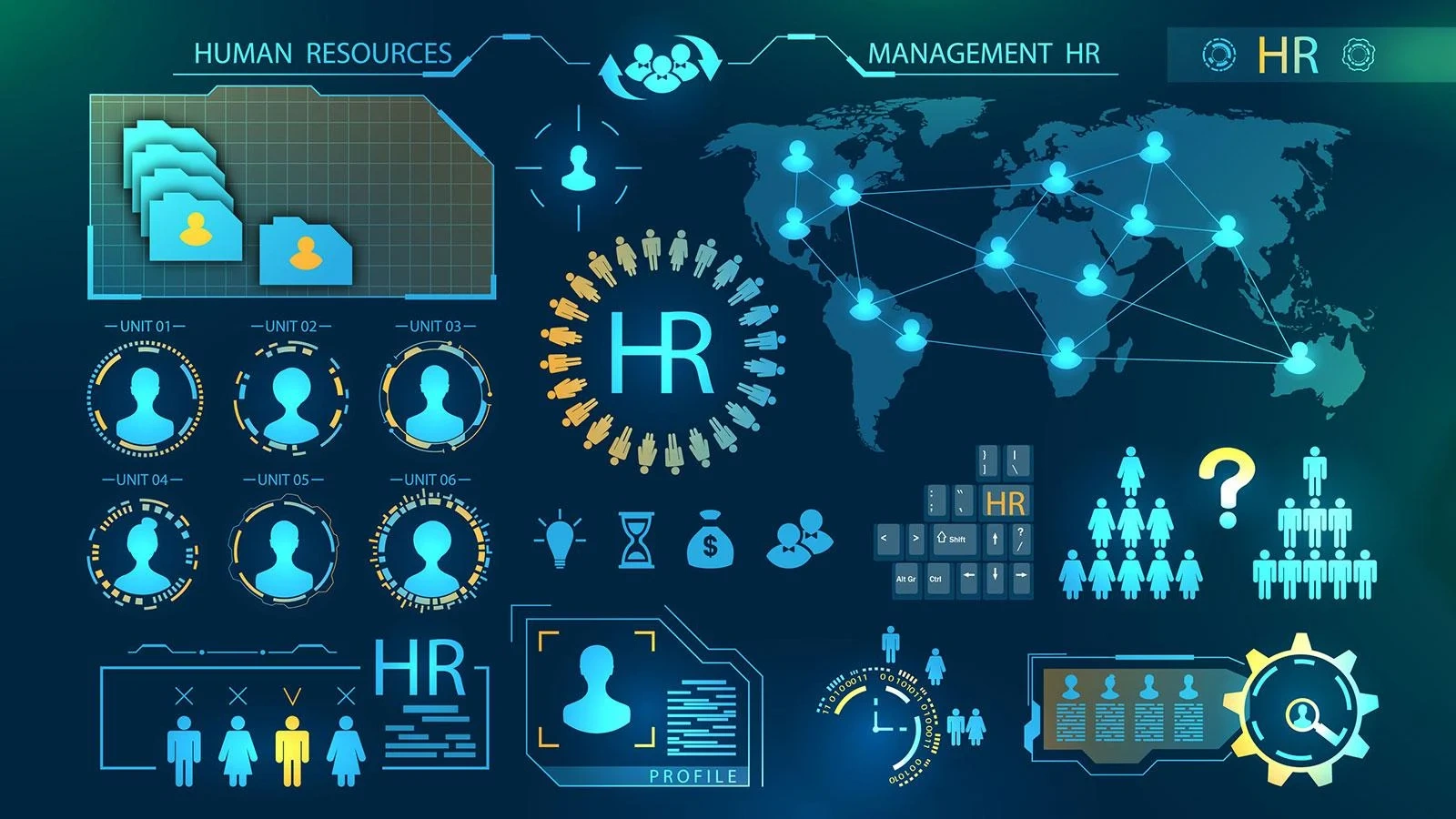
Technology has completely reshaped Human Resource, turning it from a manual, paperwork-driven function into a strategic, data-powered powerhouse. With advanced HR management systems and Human Resource software, such as the intelligent solutions offered by Globussoft, organizations can automate routine tasks, eliminate inefficiencies, and make smarter, data-backed decisions.
Some of the key advantages of adopting modern HR technology include:
- Centralized Employee Data Management: All employee details, documents, and records are stored in one unified system, ensuring accuracy and easy access.
- Real-Time Performance Tracking: Managers can monitor performance metrics live, identify strengths and weaknesses, and provide timely feedback.
- Streamlined Payroll and Attendance Processes: Automated payroll, attendance tracking, and shift management reduce errors and save valuable time.
- Improved Communication and Collaboration: Digital tools enhance communication between teams, departments, and remote employees, keeping everyone aligned.
- Data-Driven Decision Making: Analytics dashboards offer insights into workforce trends, enabling HR leaders to plan better and act faster.
With advanced tools, like those developed by Globussoft, HR managers can shift their focus from repetitive administrative work to strategic initiatives that drive growth, such as talent development, culture-building, and workforce planning.
Also Read:
How To Master Customer Relationship Management ?
How Is Globussoft Redefining Modern HR Management?
Over the years, Globussoft has been helping organizations strengthen their workforce management practices through continuous innovation and purpose-built tools. By understanding the evolving challenges of managing people, productivity, and performance, Globussoft has developed solutions that support smarter decision-making and more structured daily operations.
One such solution is EmpCloud, a workforce management platform designed to help organizations gain better visibility into work patterns, improve accountability, and maintain operational discipline. Built with modern technologies and backed by practical industry insights, Globussoft’s tools enable businesses to manage their teams more effectively while adapting to changing work environments.
EmpCloud: Centralized HR Management For Modern Teams
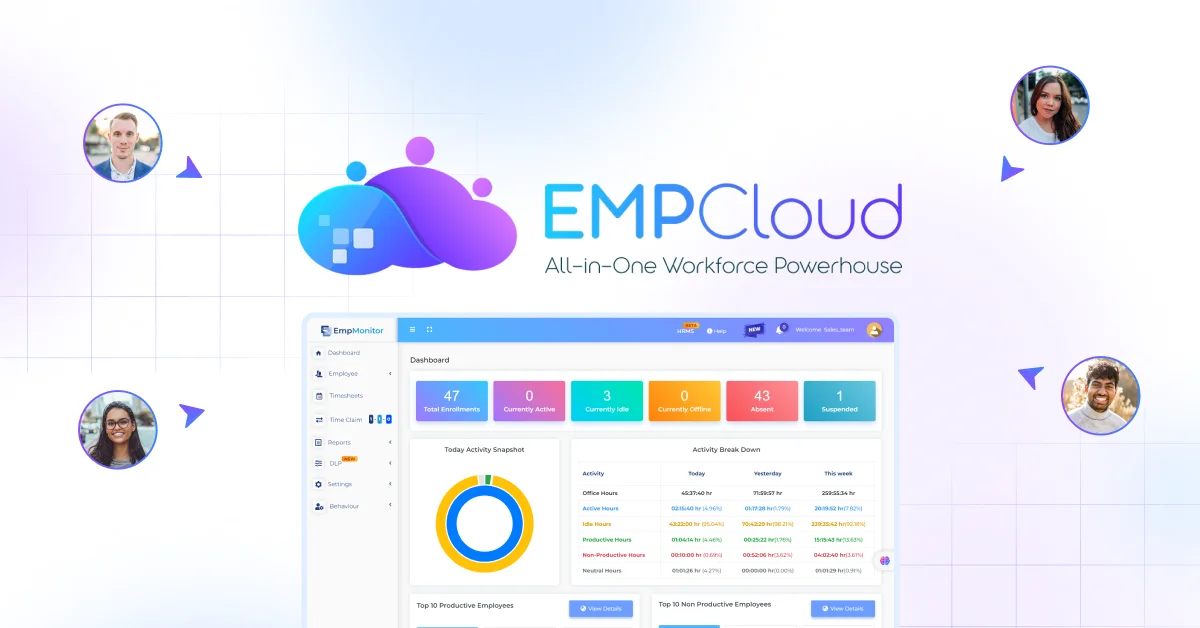
EmpCloud is a platform designed to simplify and centralize workforce management tasks. It goes beyond basic attendance or payroll tracking by offering a wide range of solutions, including employee monitoring, attendance management, rewards and recognition, onboarding, and offboarding. Together, these features create a unified approach to managing workforce productivity, efficiency, and employee engagement.
Recruitment Management
EmpCloud simplifies and structures the hiring process, helping organizations attract and onboard the right talent efficiently. Key capabilities include:
- Centralized job and candidate management
- Streamlined interview and selection workflows
- Improved collaboration between HR and hiring teams
Employee Monitoring (Powered by EmpMonitor)
As a core module within EmpCloud, EmpMonitor provides clear visibility into employee work patterns across devices and platforms. It supports productivity without intrusive supervision through:
- Detailed individual and team activity analysis
- Daily and hourly productivity insights
- Context-based reports for accurate performance evaluation
Time Tracking & Productivity Analysis
EmpCloud offers automated time tracking to help organizations understand how work hours are utilized. Managers can:
- Track active and idle time accurately
- Identify productivity trends and gaps
- Generate reliable, error-free timesheets
User Activity Monitoring
EmpCloud enhances accountability and operational clarity by enabling HR teams to:
- Monitor application and website usage
- Identify low-productivity areas
- Access comprehensive activity reports
Attendance & Leave Management
EmpCloud simplifies attendance and leave tracking with automated tools that:
- Manage attendance, leaves, and manual entries
- Enable paperless leave workflows
- Provide a centralized dashboard for accurate monitoring
Project & Task Management
EmpCloud supports effective project execution by offering:
- Seamless project allocation and tracking
- Clear task ownership and timelines
- Optimized resource utilization and collaboration
HRMS, Payroll & Compliance
With integrated HRMS and payroll functionality, EmpCloud helps organizations:
- Manage employee records and HR operations
- Process payroll accurately and on time
- Maintain compliance through structured documentation
Performance Tracking & Employee Engagement
EmpCloud provides actionable insights to support employee growth and engagement through:
- Data-driven performance analytics
- Workflow and productivity insights
- Structured evaluation and feedback processes
Rewards, Recognition & Retention
EmpCloud helps organizations motivate and retain talent by enabling:
- Rewards and recognition programs
- Performance-linked incentives
- Engagement-focused workforce strategies
Offboarding & Exit Management
EmpCloud ensures a smooth and compliant offboarding process by:
- Managing exit workflows and approvals
- Ensuring proper handover and access revocation
- Maintaining accurate exit records for compliance and analysis
Benefits Of Using EmpMonitor For HR Management
Integrating EmpMonitor into your workforce management process offers several valuable advantages:
- Increased employee accountability
- Enhanced productivity and engagement
- Better compliance and risk mitigation
- Reduced administrative burden on HR teams
- Data-driven insights for informed decision-making
By leveraging EmpMonitor, organizations can not only monitor employee activities but also empower their workforce for better performance.
How Do You Choose The Right HR Management System?
Selecting the appropriate HRMS software is crucial for achieving operational efficiency. A reliable HRMS should:
- Automate routine HR tasks
- Provide robust analytics and reporting
- Support seamless integration with existing systems
- Be user-friendly and scalable
EmpMonitor, offered by Globussoft, meets all these criteria, making it an ideal choice for organizations aiming to modernize and streamline their workforce operations.
What Are The Best Practices For Effective HR Management?

To maximize the impact of HR management, organizations should follow these best practices:
Implement Smart HR Tools:
Use advanced HR software to automate tasks like attendance, payroll, and performance tracking. Automation reduces manual errors and saves time for HR teams. This leads to smoother operations and more strategic HR planning.
Focus on Employee Engagement:
Providing regular feedback, recognition, and growth opportunities keeps employees motivated. Engaged employees feel valued and stay committed to their roles. This improves performance and significantly boosts retention.
Ensure Transparency and Accountability:
Monitoring tools like EmpMonitor provide clear visibility into employee productivity. This helps managers set expectations without resorting to micromanagement. A transparent environment builds trust and encourages responsible work behavior.
Leverage Data Analytics:
Analyzing employee data reveals trends, skill gaps, and performance patterns. These insights help HR teams make informed decisions and improve workforce planning. Data-driven HR strengthens organizational efficiency and long-term growth.
Promote Continuous Learning:
Encourage employees to upskill through training programs, workshops, and learning platforms. Continuous learning keeps the workforce adaptable and competitive. It also boosts morale and aligns personal development with company goals.
Maintain Compliance:
Ensuring adherence to labor laws, safety standards, and internal policies minimizes legal risks. A compliant HR system supports fairness and consistent practices across the organization. It also simplifies audits and strengthens employer credibility.
Adapt to Remote Work Trends:
HR technology helps manage remote and distributed teams effectively. Digital platforms maintain communication, collaboration, and engagement regardless of location. This ensures steady productivity and smooth workflow across hybrid environments.
The Future Of HR Management
The future of Human Resource management is intelligent, automated, and employee-centric. AI-driven platforms like Globussoft and tools like EmpMonitor are at the forefront of this transformation. They enable HR teams to focus on strategic initiatives rather than mundane administrative tasks.
With the integration of AI and data analytics, HR professionals can predict workforce trends, identify potential challenges, and implement proactive measures to enhance productivity. The evolution of HR management software ensures that businesses remain agile, competitive, and prepared for future workforce challenges.
Conclusion
Effective Human Resource management is no longer optional; it is essential for organizational growth and employee satisfaction. By leveraging advanced tools and platforms like Globussoft’s EmpCloud, companies can streamline operations, enhance productivity, and foster a thriving workplace culture.
From employee monitoring and time tracking to project management and engagement analytics, modern HR solutions like EmpCloud provide comprehensive support for all workforce needs. Businesses that invest in intelligent HR management systems not only improve efficiency but also create a sustainable and motivated workforce.
Globussoft, with its AI-driven approach, and EmpCloud, with its comprehensive Human Resource management features, stand out as leaders in transforming how companies manage human resources. For organizations aiming to stay competitive, adopting such platforms is a strategic move that delivers measurable impact and long-term success.
FAQs
1. What is the role of technology in modern Human Resource management?
Technology automates routine HR tasks, provides real-time analytics, enhances employee engagement, and streamlines processes like payroll, attendance, and performance tracking.
2. How does Human Resource management contribute to employee retention?
Effective HR management creates a positive work environment, recognizes employee achievements, and provides opportunities for growth, all of which help retain top talent.
3. What are the benefits of using AI in Human Resource management?AI helps in predictive hiring, employee performance analysis, time tracking, and workflow optimization, enabling HR teams to make data-driven decisions faster.
4. How can Human Resource management support remote teams?
HR management tools monitor productivity, track time, provide virtual engagement programs, and ensure compliance, helping remote teams stay connected and efficient.
5. What are common Human Resource management mistakes to avoid?
Common mistakes include poor communication, lack of performance monitoring, ignoring employee feedback, inefficient onboarding, and not leveraging modern HR technology.
Quick Search Our Blogs
Type in keywords and get instant access to related blog posts.

 +91 8767115115