 India
India  UK
UK USA
USA 
When most people think about HR, they imagine someone handling paperwork or sending a bunch of emails about policies. However, HR is one of the biggest reasons a business grows (or completely falls apart). If you hire the wrong person, your team will struggle. And if people quit all the time, the company keeps starting from scratch. If there are no clear processes, everything becomes confusing. This is where HR responsibilities come into play. Modern HR management is no longer just about salaries and attendance. It is about finding the right people, helping them do their best, and keeping them happy. To manage all these manually could be quite a burden; that’s why professionals use HRMS software that does not waste time on boring manual work.
In this blog, we will break down the most important HR roles and responsibilities and how each one impacts business growth.
Let’s get into it.
In a hurry? Listen to the blog instead!
What Are The HR Responsibilities In Modern HR Management?

A few years ago, HR was mostly seen as the team that handled salaries, attendance, and joining paperwork.
It is now much larger than that. Modern HR management ensures that the company runs smoothly by taking care of the people who actually do the work.
Therefore, when we discuss HR roles and responsibilities, it is not just paperwork. It includes the following:
- Hiring the right people
- Helping new employees settle in
- Setting rules so everyone knows what’s okay and what’s not
- Making sure the workplace stays safe and fair
- Supporting managers when the team has issues
If HR does not do these responsibilities properly, everything starts breaking down,
Slow hiring, confused employees, low motivation, and people leaving quicker than they join.
Modern HR is no longer just a support function.
It is more like a bridge between the business and the people who make it successful.
When HR responsibilities are clear and followed, the company grows easily, employees stay longer, and the work environment feels less stressful.
Therefore, HR is not just the “rules and policies” department; they are the ones keeping the whole place together.
Strategic HR Responsibilities That Drive Business Growth
Most people think that HR is only busy when someone is joining or quitting, but there is a whole side of HR that actually helps a business grow on purpose.
These are the strategic HR responsibilities, and they are basically long-term moves instead of day-to-day fixes.
Here is what this looks like in real life:
Aligning HR Management with Business Goals
They determine what the company wants to achieve and then bring in people who can make that happen.
If a business wants to expand, HR plans for more talent. If a company is cutting development costs, HR helps reorganize teams without confusion.
Workforce Planning and Future Talent Needs
It is like thinking ahead instead of panic hiring at the last minute.
HR looks at questions such as:
- What skills will be required in the future?
- Which roles might become outdated?
- Who can be trained instead of being replaced?
This saves time, money, and stress.
Building a Strong Employer Brand
You know how some companies receive tons of job applications while others do not?
This is employer branding, and it is an HR responsibility.
It includes:
- showing the company is a good place to work
- Having a smooth hiring experience, sharing growth stories, and culture online
Good branding = better talent = growth.
Change Management During Scaling
When a company grows, everything changes, including new productivity tools, people, and rules.
HR helps everyone adjust so that the team does not freak out or burn out.
Without this, growth feels more like confusion than success does.
Also Read!
Core HR Roles And Responsibilities For Day-to-Day Operations
Not everything in HR is a long-term strategy.
A large part of their job is the everyday stuff that keeps the company from turning into confusion.
These are the core HR responsibilities and the basics that every business needs.
Recruitment and Hiring
Hiring is not just posting a job and hoping someone applies.
HR has to:
- write clear job descriptions
- shortlist the right people
- schedule interviews
- Make sure the candidate actually fits the company
If this goes wrong, you end up with the wrong person in the role, and everyone finds it difficult, including the business itself.
Structured Onboarding
Are you familiar with the awkward first week at a new office?
HR tries to make it less weird.
They handle:
- paperwork
- introductions
- training
- explaining how things work
Good onboarding = people settle in faster + fewer resignations in the first few months.
Payroll, Attendance, and Benefits
This is the stuff nobody notices unless it is messed up.
HR has to make sure:
- Salaries are correct and on time
- Attendance and leave are tracked
- benefits like insurance or bonuses are handled properly
One payroll error, and suddenly everyone is angry.
Compliance and Policies
Every company has rules, not just because they want to, but because the law requires them to.
HR ensures that the business:
- follows labour laws
- avoids penalties
- keeps the workplace safe
- documents everything properly
Basically, they prevent the legal process.
HR Responsibilities In Performance Management and People Development
Once someone is hired, the HR department does not simply disappear. A huge part of HR’s responsibilities is helping people grow in their jobs instead of staying stuck doing the same thing forever.
Setting Clear Performance Goals
People cannot improve if they do not know what is expected.
HR works with managers to:
- Set goals that make sense
- explain what “good performance” actually looks like
- connect work to business results
Clear goals = less confusion + better output.
Regular Reviews, Feedback, and Recognition
No one wants to hear feedback only when something goes wrong.
HR creates systems for:
- monthly or quarterly check-ins
- fair performance reviews
- appreciation and rewards
Even a simple “good job” can keep someone from quitting the job.
Learning and Development (L&D)
Jobs are changing.
Therefore, HR ensures that employees do not fall behind by offering:
- training programs
- workshops
- online courses
- Mentoring
When people learn new skills, the entire company levels up.
Succession Planning and Leadership Growth
What would happen if a manager quit tomorrow?
Without a plan, panic mode.
So HR identifies:
- Who can take future leadership roles
- Who needs what kind of training
- How to avoid sudden leadership gaps
It is basically preparing for the future before the future shows up.
Employee Engagement, Culture, and Retention as Growth Levers
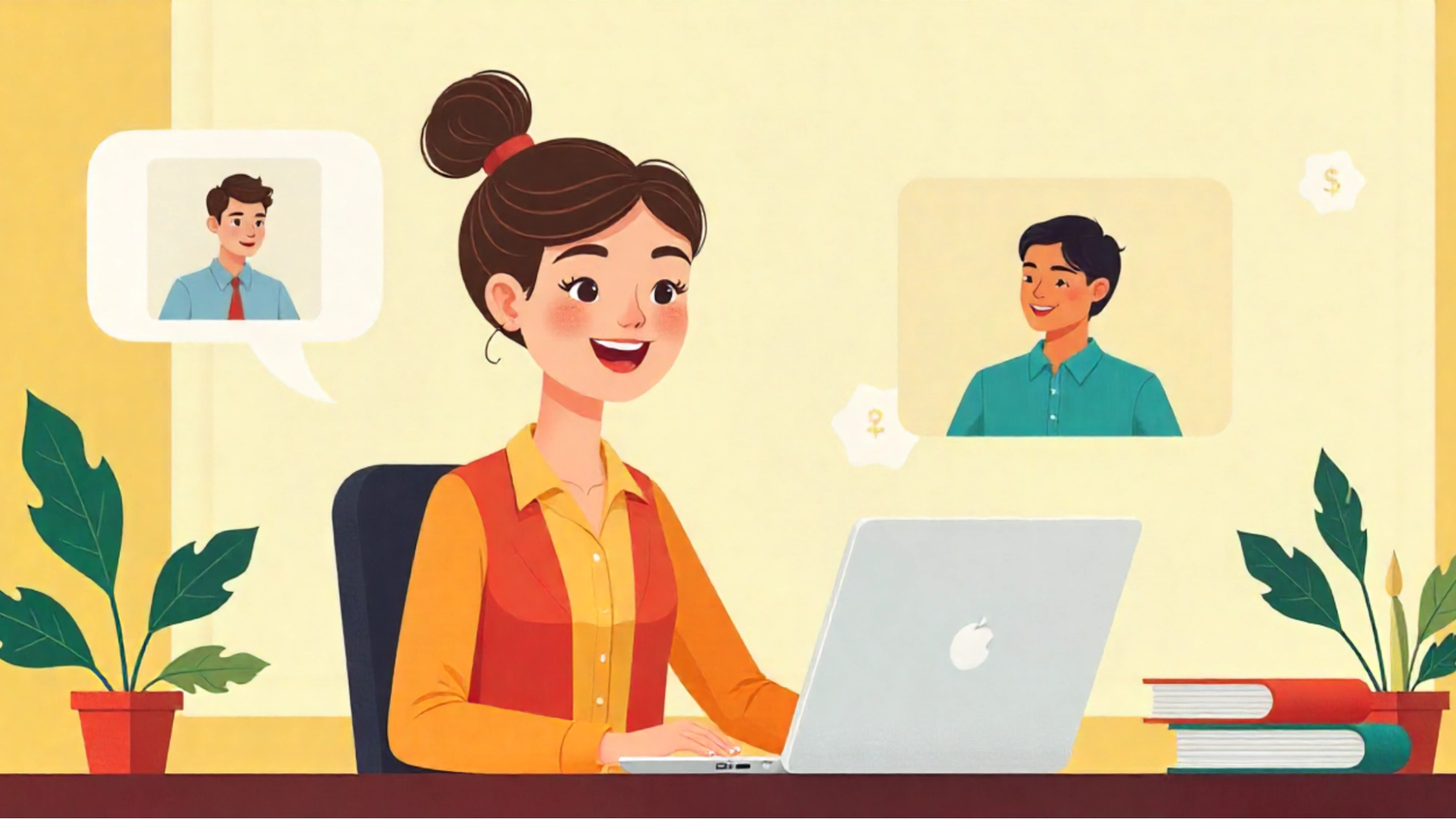
Hiring great people is cool, but retaining them is even more challenging. Therefore, a significant part of HR’s responsibilities is to ensure that employees actually want to stay instead of running to the next job with a slightly higher salary.
How HR Management Shapes Company Culture
Culture isn’t just posters on the wall saying “We are like a family.”
HR influences culture through the following:
- how people are treated
- How problems are handled
- How communication works
- What behaviours are rewarded
Good culture = People enjoy coming to work.
Bad culture = people counting down the minutes until they can leave.
Listening to Employees (and Actually Acting on Feedback)
No one wants to feel ignored.
So HR uses things like:
- surveys
- 1:1 conversations
- feedback forms
- anonymous suggestions
The goal is not just to collect data; it is to fix real issues before they blow up.
Well-Being, Work–Life Balance, and Burnout Prevention
Burnout is real, even if people pretend they are fine.
HR helps by:
- setting healthy policies
- encouraging breaks and time off
- offering mental health or wellness support
- making sure workloads are actually realistic
Happy employees = better work + fewer sick days.
Retention Strategies for Growing Businesses
If employees keep leaving, the company keeps restarting the process.
HR focuses on:
- career growth opportunities
- fair pay and benefits
- recognition programs
- internal mobility (promoting from within)
Retention is not about trapping people; it is about giving them reasons to stay.
How HRMS Software Transforms HR Responsibilities?
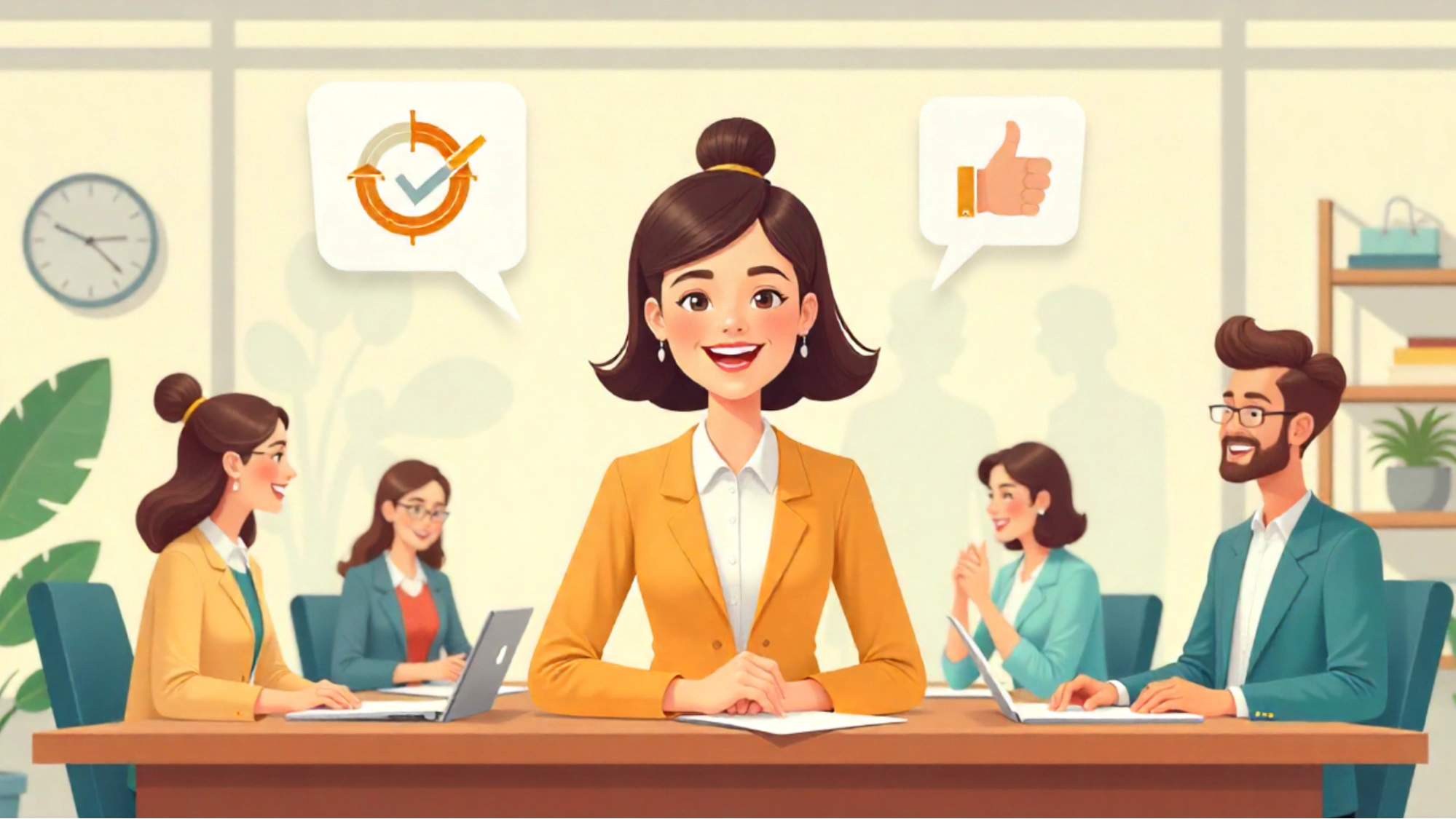
Many HR tasks used to be slow and manual, such as updating spreadsheets, tracking attendance, or fixing payroll mistakes.
Companies now use HRMS software to handle these tasks automatically, allowing HR teams to focus on helping people.
A human resource management system essentially consolidates all HR information in one location, making everyday processes easier and much more accurate.
What an HRMS Actually Does
- Stores all employee data in one secure system
- Tracks attendance and leave management
- Automates payroll and generates payslips
- Supports performance reviews and goal setting
How It Automates Core HR Responsibilities
- Quicker onboarding and document collection
- One-click leave approvals
- Automatic attendance updates
- Smooth payroll processing.
Why HRMS Reduces Mistakes and Stress
- Removes manual data entry
- Cuts down salary and compliance errors
- Keeps records organised and easy to access
- Prevents missing files or duplicated information
Better Decision-Making with HRMS Analytics
- Shows real-time performance data
- Helps identify overworked or understaffed teams
- Tracks hiring and retention trends
- Supports planning with clear reports.
Best HRMS Software In India and Its Role In HR Management
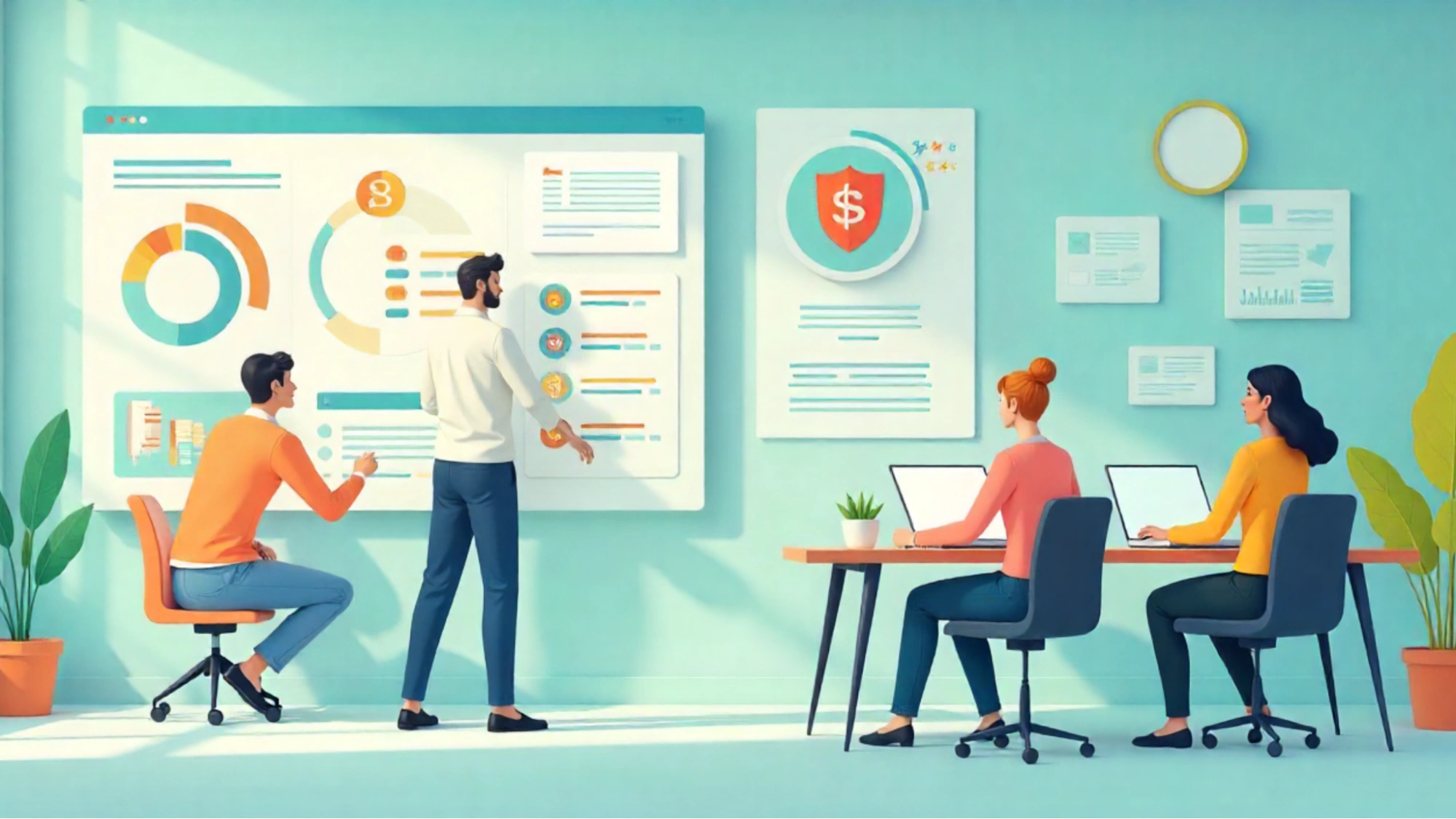
So many businesses now use HRMS software to handle daily HR responsibilities like payroll, attendance, and compliance.
The right human resource management system makes you work easily, as we already discussed.
Choosing the best HRMS software in India actually makes life more straightforward for employees and HR.
Why Indian Businesses Need HRMS?
- Handles complex Indian payroll rules (PF, ESI, TDS, gratuity)
- Reduces manual work for small HR teams
- Supports hybrid and remote employees across different locations
- Avoids compliance mistakes and legal penalties
Must-Have HRMS Features for India
- Automated payroll aligned with local labour laws
- Attendance and leave tracking with biometric or app support
- Employee self-service for payslips, leaves, and documents
- Statutory reports and digital record-keeping
How Does The Best HRMS Software Help Growing Companies?
- Makes onboarding quicker and more organised
- Cuts HR workload so they can focus on hiring and retention
- Improves transparency with real-time data and dashboards
- Supports promotions, performance reviews, and career growth
What to Check Before Choosing an HRMS?
- Pricing that fits startups and SMEs
- Mobile app for employees on the go
- Integration with payroll, accounting, and attendance devices
- Reliable customer support and easy setup
To address these issues, Globussoft developed EmpMonitor, a complete workforce management solution. It provides a suite of tools, including an HRMS solution. Using EmpMonitor, management can easily handle responsibilities like recruitment, onboarding, payroll, attendance, and other HR responsibilities much more efficiently.
Common HR Management Mistakes That Block Business Growth

Even if a company has good intentions, small HR mistakes can create significant problems over time.
Many businesses grow slowly (or not at all) because they treat HR responsibilities as a side task instead of something important.
These errors do not always show up immediately, but they lead to hiring delays, low morale, and people leaving faster than they should.
Treating HR Like Only Admin Work
- HR gets stuck doing paperwork instead of helping the business grow
- No time for planning, training, or improving processes
- Employees feel unsupported because HR is always “too busy.”
Relying on Gut Feeling Instead of Data
- Hiring based on vibes leads to wrong fits
- Decisions change depending on who’s in the room
- Problems get ignored until they explode
Avoiding HRMS Software and Staying Manual
- Spreadsheets get messy and outdated
- Payroll mistakes destroy trust instantly
- HR wastes hours on tasks that could be automated
No Clear HR Roles and Responsibilities
- Nobody knows who handles what
- Policies keep changing without communication
- Employees get confused and lose confidence in HR
How To Prioritise HR Responsibilities At Different Growth Stages
Not every company requires the same HR setup.
A startup with five people does not require the same processes as a company with 500. Therefore, HR responsibilities change as the business grows.
The smart thing is to know what to focus on right now instead of trying to do everything at once. As companies scale, they also start using tools to keep things organized.
Even something like EmpMonitter can help track tasks and make HR work smoother without adding extra stress.
Early-Stage Startup (0–20 Employees)
- Keep HR simple and basic
- Focus on hiring the right first team members
- Set up basic policies so everyone knows the rules
- Handle payroll and attendance accurately (even if small)
Goal: Survive without chaos and not build a giant HR system.
Scaling Phase (20–200 Employees)
- Formalise HR roles and responsibilities
- Introduce structured onboarding and performance reviews
- Start using HRMS or tracking tools to reduce manual work
- Build a culture that keeps people from leaving too fast
Goal: To grow without breaking everything.
Mature Organisation (200+ Employees)
- Make HR more strategic, not just operational
- Use data to plan hiring, promotions, and succession
- Improve leadership development and internal mobility
- Automate most routine tasks through HR tech
Goal: Scale smoothly while keeping people engaged.
Conclusion: Why HR Responsibilities Help a Business Grow
A business does not grow only because it sells good products.
It grows when the people working there feel supported and know what they are doing.
Therefore, HR responsibilities are important.
When HR is treated as a real part of the business, not just the team that handles salaries, things improve.
Hiring becomes easier, employees work better, and the company does not panic when problems arise.
Modern HR management involves using the right processes and tools to ensure that everything runs smoothly.
If a company focuses on training, a positive culture, and simple HR technology, work becomes easier, and people stay longer. Small changes in HR today can lead to big results later, such as better AI productivity and less stress.
In short, strong HR is essential. It is one of the best ways to help a business grow with a happy and stable team.
FAQ
1. Do small businesses require a full-time HR person?
Not always. Very small teams can start with basic HR tasks handled by the founder or manager. However, once the team grows past 10–15 people, having a dedicated HR role helps avoid mistakes, confusion, and legal issues.
2. What is the first HR responsibility that a new company should focus on?
Clear policies and structured hiring processes. Even simple rules about working hours, leave, and communication can prevent problems later and make new employees feel secure and informed.
3. How often should companies update their HR policies?
At least once a year or sooner if there are changes in labor laws, remote work rules, or internal processes. Outdated policies can cause misunderstandings and compliance issues.
4. What skills are important for someone working in HR today?
Modern HR requires both people and tech skills, such as:
- communication and conflict handling
- Understanding Labour Laws
- basic data analysis
- using HR software and digital tools
Quick Search Our Blogs
Type in keywords and get instant access to related blog posts.


 +91 8767115115