 India
India  UK
UK USA
USA 

In A Hurry? Listen To The Podcast Now!
Understanding the Value of Professional Tech Guidance:
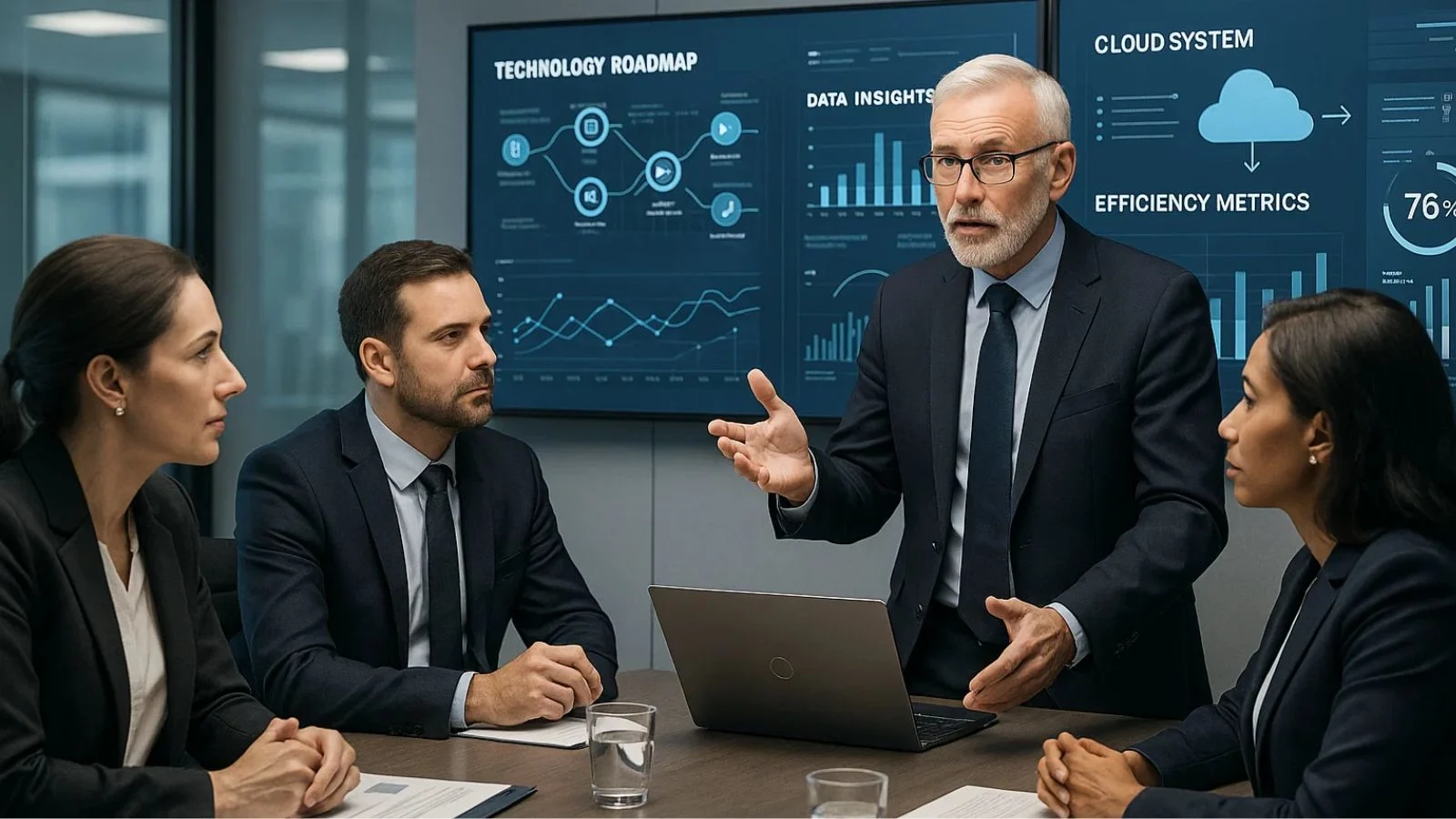
Technology decisions can make or break a business. The difference between thriving and merely surviving often comes down to how effectively you use your tech resources. IT consulting for business provides expert insight into making strategic technology choices that align with your goals. Professional consultants bring years of specialized experience across multiple industries and technology stacks. They’ve seen what works and what doesn’t, helping you avoid costly mistakes while identifying opportunities you might have missed.
This outside perspective is invaluable because internal teams often get caught up in daily operations and lack the bandwidth to step back and evaluate the bigger picture. When you engage with IT consulting services, you’re not just hiring someone to fix computers. You’re partnering with strategic advisors who understand how technology drives revenue, improves efficiency, and creates competitive advantages.
Key Areas Where IT Consulting Drives Growth:

1. Strategic Technology Planning:
Every business needs a technology roadmap, but creating one requires deep expertise. IT consulting for business helps you develop a clear plan that connects your technology investments to measurable business outcomes. Consultants assess your current infrastructure, identify gaps, and recommend solutions that scale with your growth.
This planning phase is crucial because it prevents the common trap of adopting trendy technologies that don’t actually serve your needs. Instead, you get a customized strategy built around your specific challenges and opportunities.
2. Cybersecurity and Risk Management:
Data breaches and cyberattacks are no longer rare events; they’re daily threats that can devastate unprepared businesses. IT consulting for business includes comprehensive security assessments that identify vulnerabilities before hackers do.
Consultants implement multi-layered security protocols, train your team on best practices, and establish incident response plans. This proactive approach protects your reputation, customer data, and bottom line. The cost of prevention is always lower than the cost of recovery.
3. Cloud Migration and Optimization:
Moving to the cloud offers tremendous benefits, but the process is complex and risky without proper guidance. IT consulting for business ensures smooth cloud transitions that minimize disruption while maximizing return on investment.
Consultants help you choose the right cloud platforms, migrate data securely, and optimize configurations for performance and cost-efficiency. They also ensure compliance with industry regulations, which is particularly important for healthcare, finance, and other regulated sectors.
4. Infrastructure Modernization:
Legacy systems often hold businesses back, draining resources through maintenance costs and limiting innovation. IT consulting for business evaluates your existing infrastructure and recommends modernization strategies that improve performance without breaking the bank.
This might involve replacing outdated hardware, consolidating systems, or implementing automation to reduce manual work. The goal is to create an agile, scalable foundation that supports rapid growth.
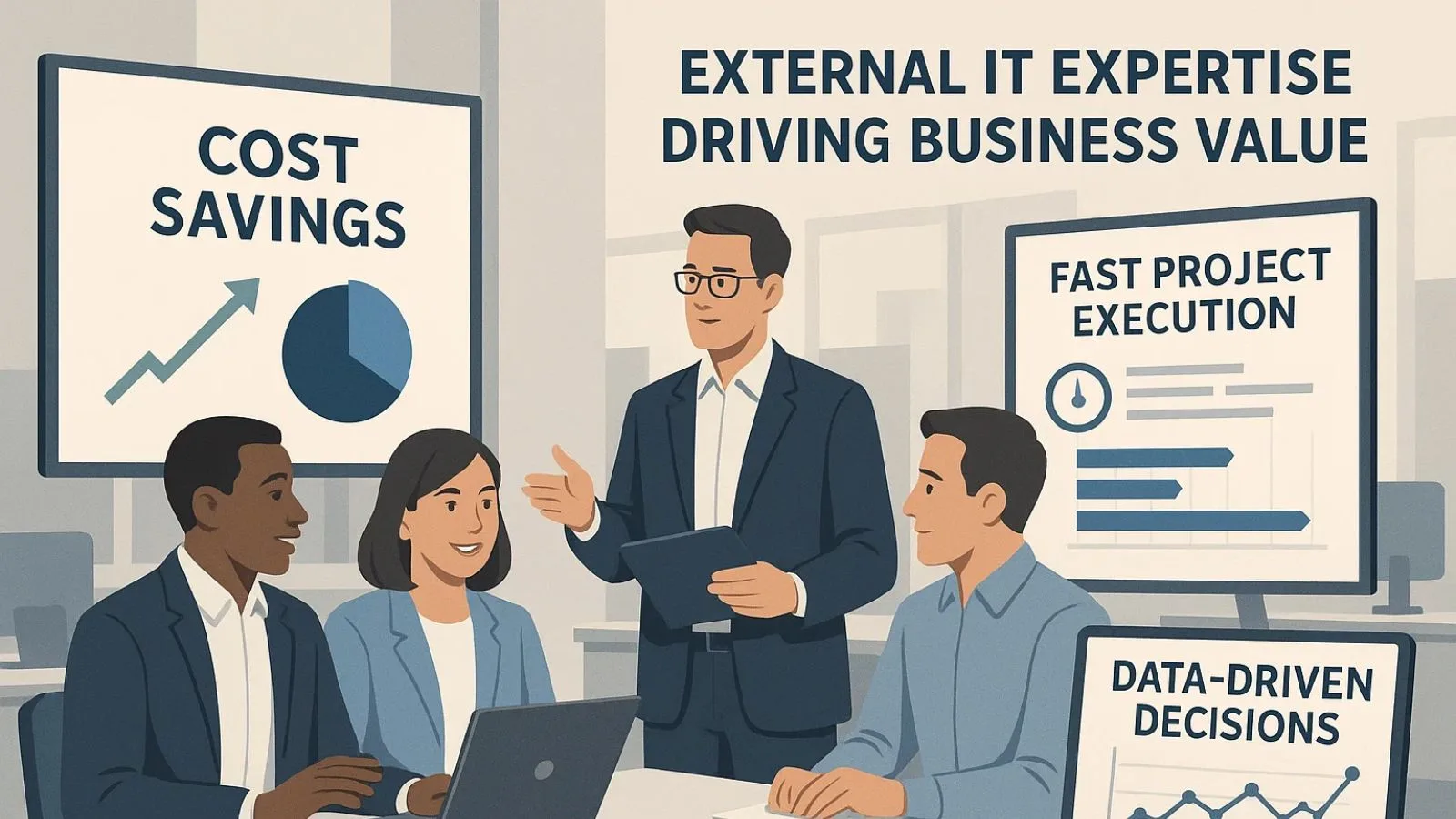
How Businesses Benefit from External Tech Expertise?
1. Cost Optimization:
One of the most immediate benefits of IT consulting for business is identifying and eliminating wasteful spending. Many companies unknowingly overpay for licenses they don’t use, maintain redundant systems, or miss volume discounts.
Consultants conduct thorough audits of your technology expenses and negotiate better deals with vendors. They also recommend cost-effective alternatives that deliver the same functionality at a fraction of the price. These savings often pay for the consulting engagement several times over.
2. Access to Specialized Skills:
Building an internal team with expertise across all technology domains is expensive and often impractical for small to mid-sized businesses. IT consulting for business gives you on-demand access to specialists in networking, cybersecurity, cloud computing, data analytics, and more.
This flexibility means you get the right expertise exactly when you need it, without the overhead of full-time salaries and benefits. As your needs change, your consulting partner adapts accordingly.
3. Faster Implementation and Results:
Internal teams juggling multiple priorities often struggle to complete major technology projects on schedule. IT consulting for business accelerates implementation by dedicating focused resources to your initiatives.
Consultants bring proven methodologies and project management experience that keep initiatives on track. They anticipate obstacles, coordinate stakeholders, and ensure deliverables meet specifications. This efficiency translates to faster time-to-value for your technology investments.
4. Objective Decision-Making:
Internal politics and personal preferences can cloud technology decisions. IT consulting for business provides unbiased recommendations based solely on what’s best for your organization.
Consultants have no stake in specific vendors or solutions beyond what serves your needs. This objectivity is particularly valuable during major decisions like ERP selection, infrastructure overhauls, or merger integrations.
Choose the Right Consulting Partner:

1. Evaluate Experience and Expertise:
Not all consulting firms are created equal. When selecting a partner for IT consulting for business, examine their track record in your industry. Ask for case studies, client references, and details about their team’s certifications and specializations.
The best consultants demonstrate both technical depth and business acumen. They should understand your industry’s unique challenges and speak your language, not just tech jargon.
2. Assess Cultural Fit:
You’ll be working closely with your consulting team, so compatibility matters. IT consulting for business works best when there’s mutual respect, clear communication, and aligned values between your organization and the consultants.
During initial conversations, pay attention to how they listen, ask questions, and explain concepts. Do they seem genuinely interested in your success, or are they just pushing products and services?
3. Understand Their Approach:
Some consultants follow rigid methodologies while others adapt to each client’s needs. Ask potential partners about their process for it consultation. How do they assess requirements? What does their typical engagement look like? How do they measure success?
Look for consultants who emphasize collaboration and knowledge transfer. The best engagements leave your team more capable, not more dependent.
4. Consider Long-Term Support:
Technology needs don’t end when a project is completed. IT consulting for business should include ongoing support options that help you maintain and evolve your systems over time.
Discuss maintenance agreements, help desk availability, and how the consultant handles emergencies. Having a reliable partner on call provides peace of mind and ensures continuity.
Also Read:
Best Generative AI Tools For Small Businesses: A Practical Comparison
How Workplace Technology Is Reshaping Modern Business Operations
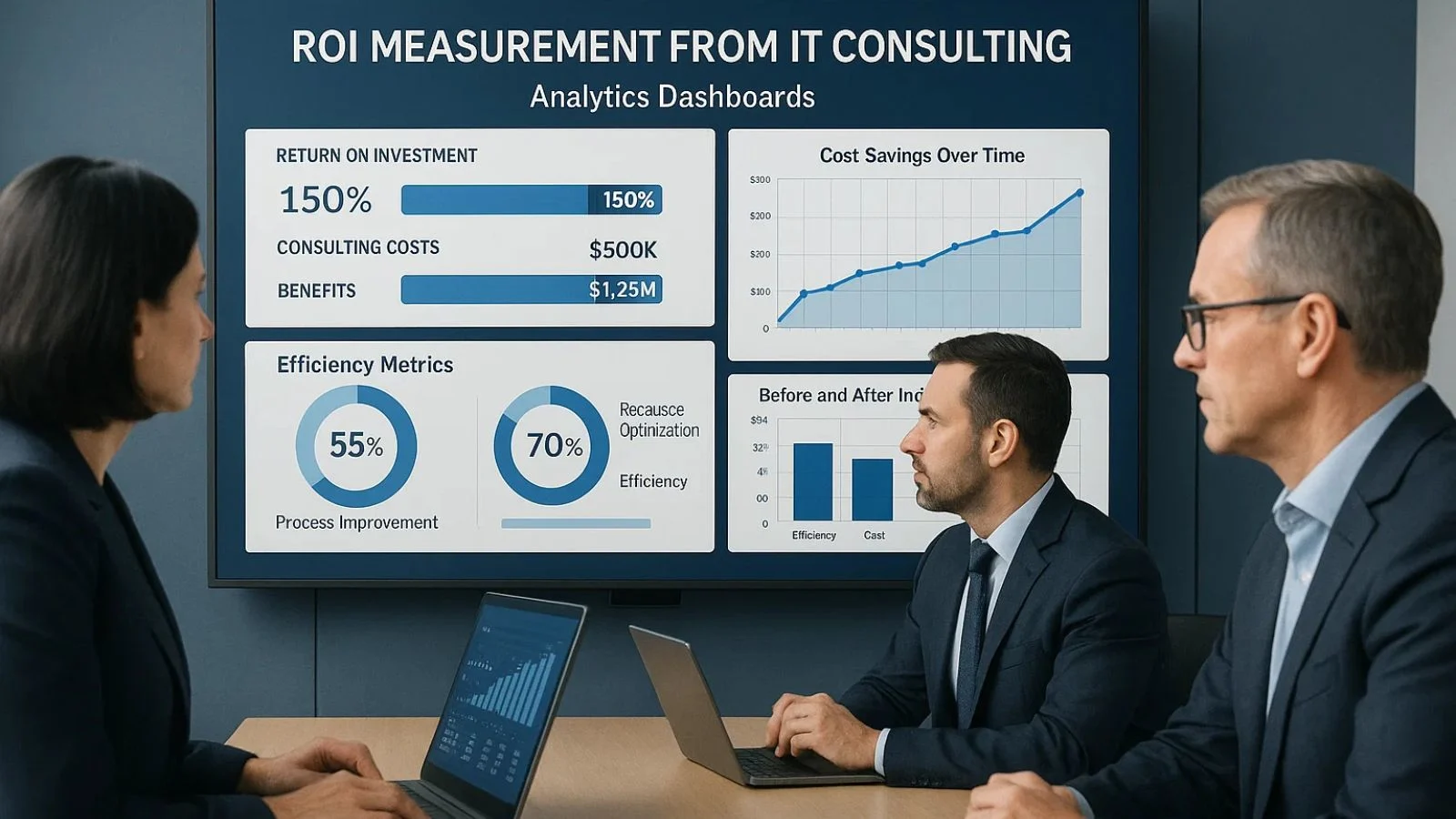
How IT Consulting Can Help In ROI Measurement?
1. Define Clear Metrics:
Before engaging in IT consulting for business, establish specific, measurable goals. These might include reducing system downtime by a certain percentage, cutting IT costs by a specific amount, or improving customer response times.
Clear metrics make it easy to evaluate whether the engagement delivered value. They also help keep everyone focused on what matters most.
2. Track Both Hard and Soft Benefits:
While cost savings and efficiency gains are easy to quantify, don’t overlook the less tangible benefits of IT consulting for business. Improved employee satisfaction, enhanced security posture, and better customer experiences all contribute to your bottom line, even if they’re harder to measure directly.
Document these qualitative improvements alongside quantitative results for a complete picture of ROI.
3. Compare Against Alternatives:
Consider what it would have cost to achieve the same results without consulting for help. Would you have needed to hire additional staff? How much time would your team have spent figuring things out? How many mistakes might you have made along the way?
This comparison often reveals that IT consulting for business delivers significantly better value than attempting everything internally.
Conclusion:
Investing in IT consulting for business is one of the smartest decisions you can make for sustainable growth. Professional consultants bring expertise, objectivity, and efficiency that help you maximize technology ROI while minimizing risks. From strategic planning to implementation and ongoing support, the right consulting partner becomes an extension of your team and a catalyst for transformation.
As technology continues evolving at breakneck speed, having trusted advisors who keep you ahead of the curve is invaluable. Whether you’re tackling specific challenges or pursuing ambitious digital transformation goals, expert guidance ensures you’re making decisions that drive real business value.
FAQ’s:
Q1: How much does IT consulting typically cost?
Ans: Costs vary widely based on project scope and consultant expertise. Hourly rates range from $100 to $300+, while project-based fees depend on complexity. Many businesses find that savings and efficiency gains far exceed consulting costs.
Q2: How long does a typical consulting engagement last?
Ans: Engagements can range from a few weeks for specific projects to ongoing relationships spanning years. Initial assessments usually take 2-4 weeks, while major implementations might require 3-6 months or longer.
Q3: Can small businesses benefit from IT consulting?
Ans: Absolutely. Small businesses often gain the most from consulting because they lack internal IT expertise. Consultants help level the playing field, giving small companies access to enterprise-grade strategies and solutions at a fraction of the cost of building internal teams.
Quick Search Our Blogs
Type in keywords and get instant access to related blog posts.


 +91 8767115115