 India
India  UK
UK USA
USA 
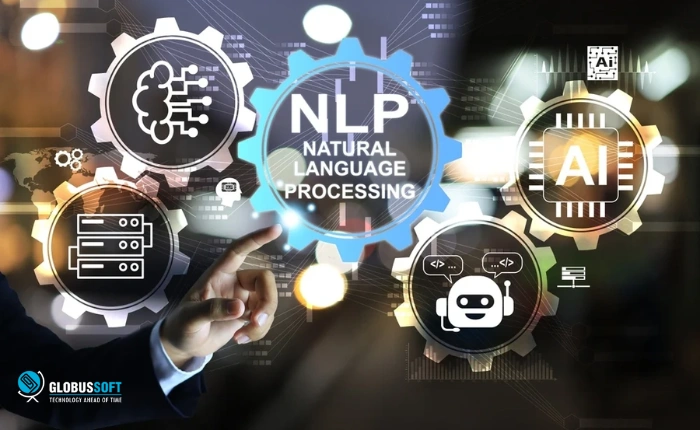
Human language sits at the heart of communication. Every instruction, emotion, and idea depends on words. For decades, computers struggled to interpret this complexity. They processed the text but failed to understand the meaning. That limitation has changed with natural language processing.
Today, machines understand intent, context, and tone with increasing accuracy. This shift has reshaped how people interact with technology across search engines, chatbots, analytics platforms, and enterprise software.
The rise of language-focused computing marks a turning point where machines no longer just compute, they comprehend.
Hit ‘Play’ Button & Tune Into The Blog!
Why Human Language Is Complex And Difficult For Machines?
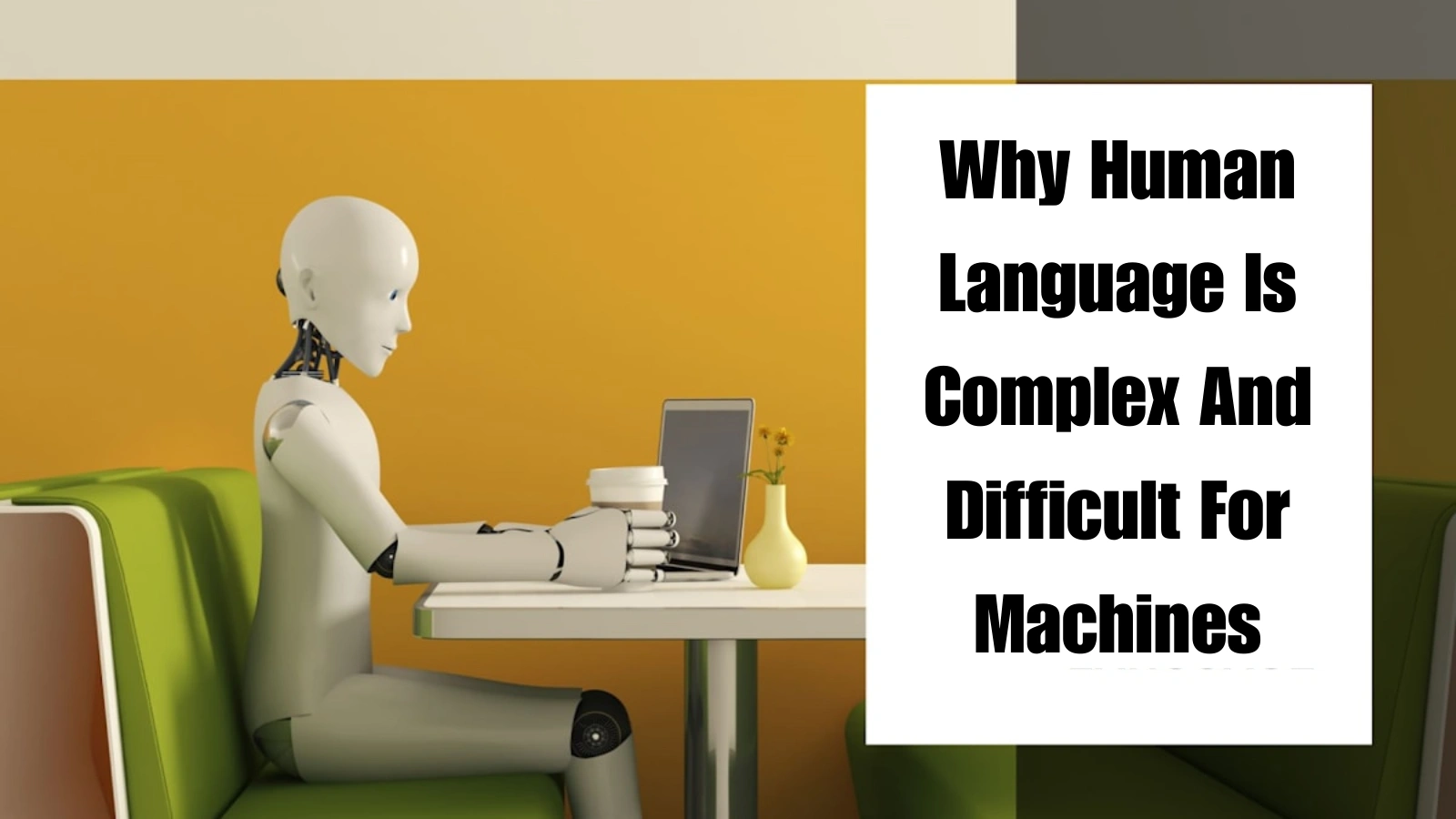
Language is flexible and unpredictable. Humans use idioms, sarcasm, and cultural references without effort. Meaning changes based on context, timing, and emotion.
Machines need advanced language understanding to decode these layers. This capability allows workplace technology to analyze syntax, semantics, and intent rather than treating words as static symbols.
To clearly define what is natural language processing, it is the discipline that enables computers to read, interpret, and generate human language in a meaningful way.
Without this capability, modern AI systems would remain rigid and unreliable.
The Evolution Of Natural Language Processing Over Time
Early language systems relied on strict rules. Developers manually programmed grammar patterns, which limited flexibility. These systems failed whenever language varied.
The shift to machine learning transformed language-focused computing. Models began learning from data instead of rigid rules. Deep learning accelerated this progress by enabling deeper contextual understanding.
Today, modern language understanding systems handle ambiguity, multilingual input, and conversational flow with impressive accuracy.
Also Read:
How Workplace Technology Is Reshaping Modern Business Operations
What Are The Core Technologies And Natural Language Processing Techniques?
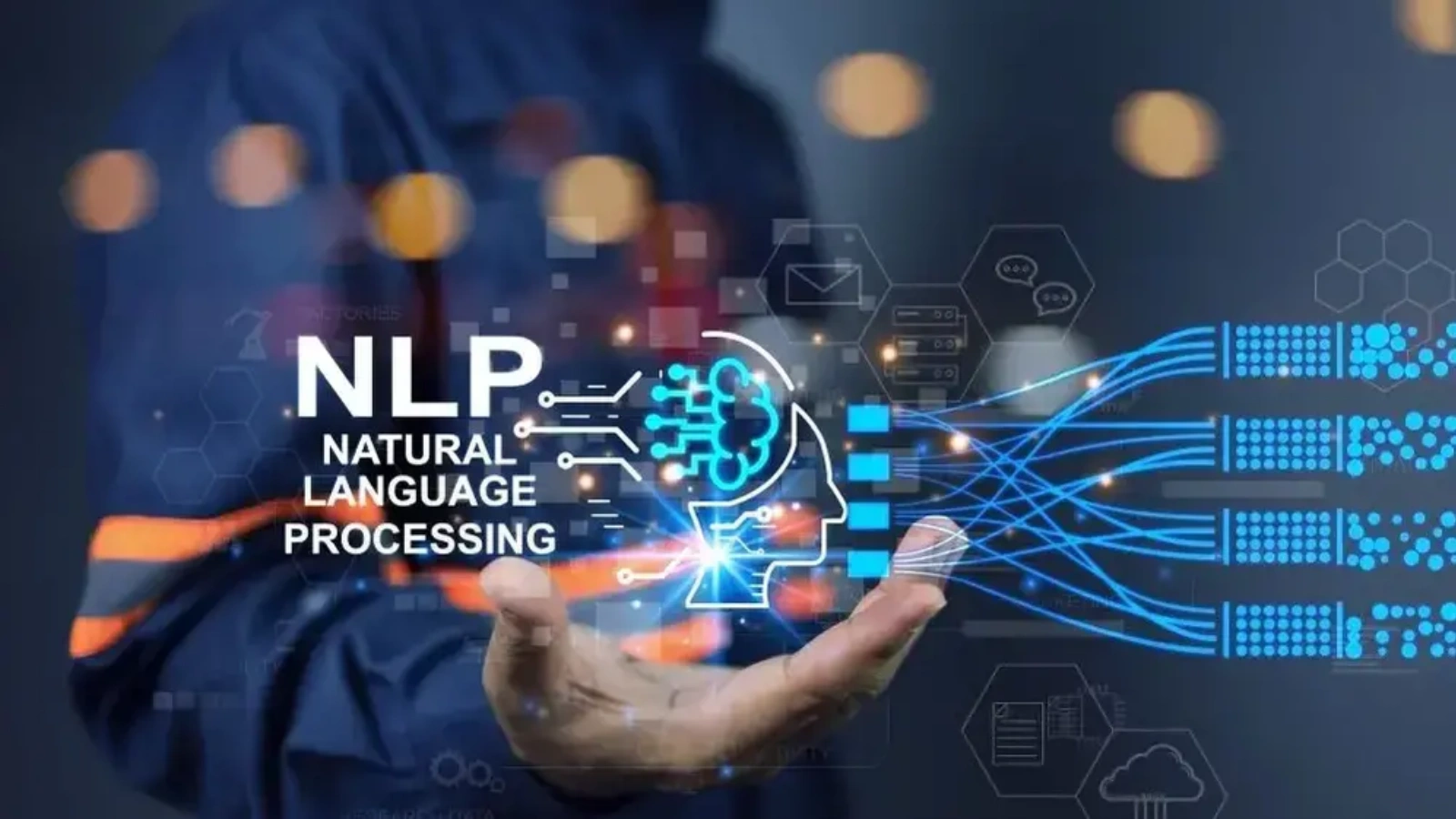
Natural language processing relies on a combination of advanced technologies and proven methods that work together to help machines accurately understand, interpret, and respond to human language.
Below are the key natural language processing techniques that power modern language-based systems
Tokenization:
Breaks text into manageable units such as words, phrases, or sentences, which serves as the foundation for almost all NLP tasks by allowing machines to process text systematically.
Syntax Analysis:
Examines the grammatical structure of sentences, identifying parts of speech and the relationships between words, helping machines understand sentence construction and meaning.
Semantic Analysis:
Focuses on the meaning of words, phrases, and sentences in context, enabling machines to interpret nuances, synonyms, and the intent behind language.
Sentiment Analysis:
Detects emotions, opinions, or attitudes expressed in text, commonly used in social media monitoring, customer feedback analysis, and brand sentiment tracking.
Named Entity Recognition (NER):
Identifies and classifies proper nouns such as names, locations, organizations, dates, and more, which helps in information extraction and knowledge graph creation.
Topic Modeling:
Discovers underlying topics or themes within a large set of documents, aiding in content categorization, summarization, and recommendation systems.
Text Classification:
Categorizes text into predefined labels, such as spam detection, sentiment categorization, or document organization, making large datasets easier to manage and analyze.
Scaling Language Understanding:
These techniques collectively enable machines to process and understand vast volumes of text efficiently while maintaining nuance, context, and meaning, which is crucial for real-world applications like chatbots, search engines, and virtual assistants.
How Do Context, Intent, And Micromodels Improve Natural Language Processing?
Understanding human language involves more than detecting words or grammar. It focuses on interpreting context, identifying user intent, and applying efficient modeling techniques to ensure machines respond accurately and naturally.
Why Context Matters In Natural Language Processing?
Context helps machines understand meaning, not just structure. Just as humans rely on background knowledge and conversation flow to interpret messages, NLP systems aim to replicate this capability.
Key ways context improves language understanding include:
- Meaning clarity: Context helps distinguish between words with multiple meanings based on surrounding text.
- Conversation continuity: Systems remember earlier sentences to maintain logical flow in multi-turn interactions.
- Accurate responses: Context-aware models reduce irrelevant or misleading outputs.
- Improved coherence: Attention-based mechanisms link related words and ideas across sentences.
How Intent Recognition Enhances Language Interpretation?
Intent defines what a user aims to achieve through communication. NLP systems analyze language patterns to detect purpose and guide appropriate responses.
Intent recognition supports:
- User goal identification: Determines whether the input is a question, request, command, or feedback.
- Relevant output generation: Aligns responses with user expectations.
- Efficient task handling: Enables faster execution of actions such as searches, recommendations, or automation.
- Better engagement: Improves the quality of human–machine interaction.
What Are Micromodels In Natural Language Processing And Why Do They Matter?
Micromodels are compact, task-specific models designed to handle particular language functions efficiently within larger AI systems.
Micromodels offer several advantages:
- Speed and efficiency: Smaller models process data faster with lower computational cost.
- Task specialization: Each micromodel focuses on functions like sentiment analysis, entity recognition, or intent detection.
- Scalability: They allow systems to expand capabilities without redesigning the entire architecture.
- Higher precision: Specialized training improves accuracy for specific language tasks.
By combining contextual awareness, intent recognition, and micromodel-driven design, natural language processing systems deliver more accurate, scalable, and human-like language understanding. This balanced approach ensures machines communicate with clarity, relevance, and reliability, driving smarter decisions and sustainable business development across real-world applications.
How Is Natural Language Processing Applied Across Real-World Industries?
Natural language processing is crucial for helping organizations interpret human language at scale. By analyzing intent, context, and meaning, it enables industries to transform unstructured text into actionable insights and informed decisions.
It provides practical and measurable benefits across multiple industries, including:
Search and Information Retrieval:
Search engines analyze user intent rather than relying solely on keyword matching, improving result relevance and delivering more accurate answers to complex queries.
Customer Support and Service Automation:
Chatbots and virtual assistants automate conversations, resolve common issues, and provide instant responses while maintaining a natural and seamless communication flow.
Healthcare and Clinical Analysis:
Healthcare systems analyze clinical notes, patient records, and medical reports, enabling faster diagnostic support, improved documentation, and enhanced patient outcomes.
Marketing and Brand Intelligence:
Marketing teams analyze customer sentiment, reviews, and social conversations at scale, helping brands understand audience perception and optimize campaigns effectively.
Enterprise Data Intelligence:
Businesses transform emails, documents, feedback, and reports into actionable insights that drive strategic decision-making.
Across industries, it continues to bridge the gap between human communication and machine understanding, making data-driven operations more efficient, accurate, and responsive.
Also Read:
How to Build a Winning Business Development Plan?
How AI Platforms Use Natural Language Processing For Business Value?
AI-driven platforms combine automation with advanced language understanding to transform raw data into meaningful, actionable insights. By interpreting human language, not just structured data, they enable smarter and faster business decisions.
Key ways AI platforms create business value using NLP include:
Language-Based Data Understanding:
Natural language processing enables AI platforms to read and interpret unstructured data such as emails, chat conversations, documents, and customer feedback. This transformation of raw text into structured insights helps businesses uncover hidden patterns, intent, and meaning that traditional systems often miss.
Smarter Decision-Making:
By analyzing language context, sentiment, and user intent, NLP helps decision-makers move beyond surface-level data. Leaders gain deeper, evidence-backed insights that support strategic planning, forecasting, and risk assessment.
Process Automation:
NLP-powered automation streamlines repetitive, language-based workflows such as report generation, customer support responses, content creation, and internal communications. This reduces manual workload while improving consistency and response speed.
Enhanced Analytics:
When NLP is combined with advanced analytics, AI platforms can extract trends, behavioral signals, and recurring themes from massive text datasets. This allows organizations to make data-driven decisions based on real user conversations and interactions.
Operational Efficiency:
Language intelligence improves operational workflows by minimizing errors, accelerating task completion, and enabling teams to focus on higher-value activities. As a result, businesses experience improved productivity and more efficient resource utilization.
For example, Globussoft integrates language intelligence into its AI-first solutions to simplify decision-making and convert complex data into clear, usable insights. By blending NLP with analytics and automation, such platforms demonstrate how nlp natural language processing moves beyond theory and delivers measurable business impact.
How Is Globussoft Driving AI-First Language Innovation And Scalable Solutions?
Empowering the Future With AI-First Solutions
Globussoft stands as an innovation-driven AI and machine learning platform, built to turn forward-thinking ideas into intelligent, real-world solutions. With a strong foundation in advanced machine learning, intelligent automation, and scalable data architectures, the platform enables businesses to solve complex problems with speed, precision, and measurable impact.
What sets Globussoft apart is its deep focus on advanced language understanding and adaptive intelligence. Its AI systems are designed to analyze, interpret, and respond to human communication with exceptional accuracy, enabling smarter decision-making, hyper-personalized interactions, and seamless user experiences. This innovation-first approach powers a dynamic ecosystem of products that continuously learn, evolve, and deliver meaningful business value.
A Scalable AI Product Ecosystem Built on Language Intelligence
Globussoft offers a diverse range of AI-powered solutions that apply language understanding, automation, and predictive analytics across multiple business functions:
- AdsGPT: Uses generative AI to produce high-converting ad creatives, combining persuasive copy and platform-optimized visuals to improve campaign performance and audience engagement.
- EmpMonitor and EmpCloud: Apply AI-driven insights to workforce management, enabling organizations to track productivity, streamline collaboration, and optimize operational efficiency.
- PowerAdSpy: Delivers AI-powered advertising intelligence by analyzing trends and top-performing ads across multiple social platforms, helping marketers refine strategies and improve ROI.
- Socioboard: Enables intelligent social media automation by assisting brands in scheduling content, managing interactions, and analyzing performance through data-backed insights.
Together, these solutions demonstrate Globussoft’s commitment to building scalable, AI-first platforms that integrate language intelligence with real-world business needs.
AI Studio: Where Imagination Meets Intelligent Reality
Globussoft’s AI Studio is a creative innovation hub that brings ideas to life through cinematic videos, AI-generated scripts, voiceovers, and immersive digital experiences. This environment highlights how natural language processing and generative AI work together to transform creative concepts into engaging, interactive brand assets.
By blending creativity with intelligent automation, AI Studio enables businesses to communicate more effectively, connect with audiences emotionally, and deliver personalized digital experiences at scale.
What Are The Ethical Challenges And Responsibilities In AI Design?

As AI and language understanding technologies advance, ethical responsibility becomes increasingly critical. Developers and organizations must address a range of challenges to ensure AI systems are trustworthy, fair, and sustainable. Key considerations include:
- Bias Mitigation: Ensuring training data is representative to avoid reinforcing stereotypes or unfair outcomes.
- Privacy Protection: Safeguarding user data and complying with regulations like GDPR while still delivering intelligent solutions.
- Transparency and Explainability: Making AI decisions understandable to users, fostering trust and accountability.
- Cultural and Linguistic Sensitivity: Addressing challenges like sarcasm, idioms, low-resource languages, and context-specific meanings to create globally usable AI.
- Responsible Deployment: Monitoring AI systems post-launch to detect unintended behaviors and continuously improve ethical compliance.
- Sustainable Innovation: Balancing AI development with societal impact, long-term trust, and environmental considerations in computing resources.
By proactively addressing these factors, organizations can design AI systems that are not only powerful and intelligent but also ethical, inclusive, and reliable.
Final Thoughts
The future of natural language processing lies in deeper reasoning, emotional intelligence, and personalization. AI systems will adapt to individual communication styles and preferences.
As language intelligence evolves, machines will move closer to understanding meaning rather than patterns alone.
With platforms like Globussoft applying advanced language understanding in practical, scalable ways, the connection between human intent and machine action continues to strengthen.
Language defines humanity, and the technologies that understand it will define the future.
FAQs
1. How does natural language processing handle slang and informal language?
These systems learn slang and informal expressions by training on large, real-world datasets, including social media, chats, and conversational text. Continuous learning enables models to adapt as language evolves over time.
2. Can natural language processing work effectively with low-quality or noisy text data?
Modern models include preprocessing steps such as text normalization, spelling correction, and noise reduction. These steps enable systems to extract meaning even from unstructured or imperfect text.
3. How is language understanding used in sentiment analysis for brands?
It enables brands to analyze customer opinions by identifying emotional tone, intent, and polarity within reviews, comments, and feedback. This helps businesses monitor reputation and customer satisfaction at scale.
4. How does natural language processing support personalization in digital platforms?
These systems analyze user behavior, preferences, and interactions to deliver personalized content, recommendations, and responses, creating more relevant and engaging user experiences..
5. Is it limited to text-based applications?
No, it also supports voice-based systems by integrating with speech recognition and synthesis technologies. This enables AI to understand and respond to spoken language naturally.
Quick Search Our Blogs
Type in keywords and get instant access to related blog posts.

 +91 8767115115