 India
India  UK
UK USA
USA 
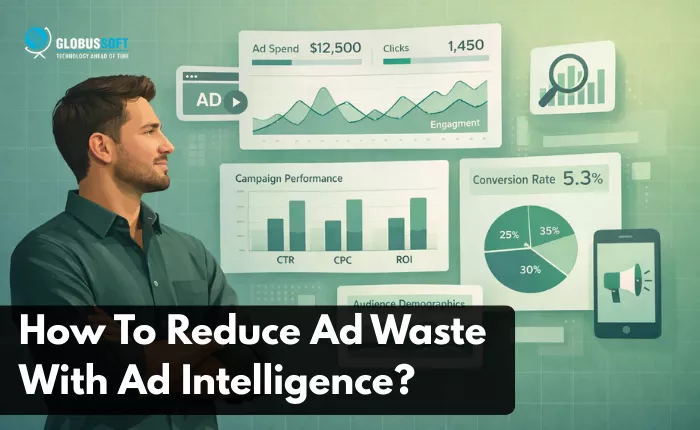
Advertising success rarely comes from instinct alone. Behind every successful campaign, there is clarity about what works, what doesn’t, and why certain decisions yield results. Many brands invest heavily in ads but struggle to explain inconsistent outcomes or sudden drops in performance. The gap often lies not in effort or budget, but in visibility. This is where ad intelligence begins to change the conversation by shifting focus from assumptions to evidence and from reaction to preparation.
At its core, advertising has always been about understanding response. Early marketers relied on experience and broad patterns. Modern advertisers deal with multiple platforms, devices, formats, and audience behaviors, all generating constant streams of data. Without a structured way to interpret that information, insights remain scattered and decisions become slower. To understand why smarter data use matters, it helps to first clarify what this concept truly represents and how it fits into real campaign workflows.
In a hurry? Listen to the blog instead!
What Ad Intelligence Means In Practical Terms?
 Rather than functioning as another reporting layer, ad intelligence refers to the ability to collect, compare, and interpret advertising data in a way that directly informs action. It brings together performance signals from creatives, placements, audiences, and timing to reveal how campaigns behave in real conditions. The focus is not on the volume of metrics but on relevance, helping advertisers see patterns that would otherwise stay hidden.
This approach removes the guesswork from campaign management. Instead of reacting after results decline, teams gain early indicators of what needs adjustment. It also creates consistency across channels, ensuring that lessons learned on one platform can inform decisions elsewhere. Once advertisers understand what this intelligence represents, the next step is to explore how it actually works behind the scenes and why it delivers stronger outcomes.
From Raw Data To Meaningful Direction
Every campaign produces numbers, but not every number carries value. Clicks, impressions, conversion rates, and engagement metrics only become useful when placed in context. This is where structured analysis makes a difference. Ad intelligence systems examine how these metrics interact, identifying relationships that point toward opportunity or risk.
For example, a creative might generate high engagement but low conversions. Viewed alone, it seems successful. Viewed alongside audience behavior and landing page performance, it may signal a mismatch in messaging. This level of clarity helps advertisers move from surface observations to a deeper understanding. As insights become clearer, decision-making speeds up, setting the stage for more confident optimization.
Improve Campaign Decisions With Confidence
 Once patterns are visible, advertisers can act earlier and with greater precision. Budgets can shift toward placements that show consistent value, while weaker segments are refined or paused before losses grow. Creative testing becomes more purposeful because each variation is measured against defined performance signals. Ad intelligence also helps align teams by providing a shared reference point for discussions and strategy changes.
This structured decision-making does more than improve results. It builds trust in the process itself. Teams no longer debate opinions; they evaluate evidence. As campaigns stabilize and performance becomes predictable, advertisers naturally begin looking outward, asking how their efforts compare within the wider market.
What Is The Competitive Context?
Advertising does not happen in isolation. Market behavior, audience expectations, and competitor activity all influence performance. Through digital ad intelligence, advertisers gain visibility into trends that extend beyond their own accounts. This includes shifts in creative formats, changes in user response, and emerging opportunities that others may overlook.
This broader awareness helps advertisers avoid outdated tactics and adapt faster. It also prevents overreliance on short-term success by revealing whether performance gains reflect genuine improvement or temporary conditions. With this context in place, the focus can shift from constant correction to proactive planning, which leads directly into smarter optimization.
Optimization That Happens While Campaigns Are Live
Adjusting campaigns after they end limits growth. Real improvement comes from making informed changes while ads are still running. Ad intelligence supports this by highlighting underperforming segments early and confirming which elements deserve further investment. Instead of broad adjustments, advertisers make precise changes that preserve momentum.
This approach also reduces stress on teams. Decisions are based on signals rather than urgency, allowing for steady refinement rather than rushed fixes. As advertisers adopt this mindset, the need for dependable platforms that centralize insight becomes more apparent, naturally leading to solutions built specifically for this purpose.
How Globussoft Strengthens Advertising Strategy With Its SaaS Tools?
Globussoft is a SaaS-driven technology company that develops software products designed to support marketing, automation, and data-led decision-making. Its solutions are built to align with different stages of the advertising and customer acquisition journey, helping businesses plan, test, and refine campaigns with greater confidence.
By offering tools that focus on clarity rather than complexity, Globussoft enables advertisers to better understand performance, reduce guesswork, and improve outcomes across channels.
Here’s how Globussoft contributes to stronger advertising workflows:
PowerAdSpy: Ad Intelligence At The Awareness Stage
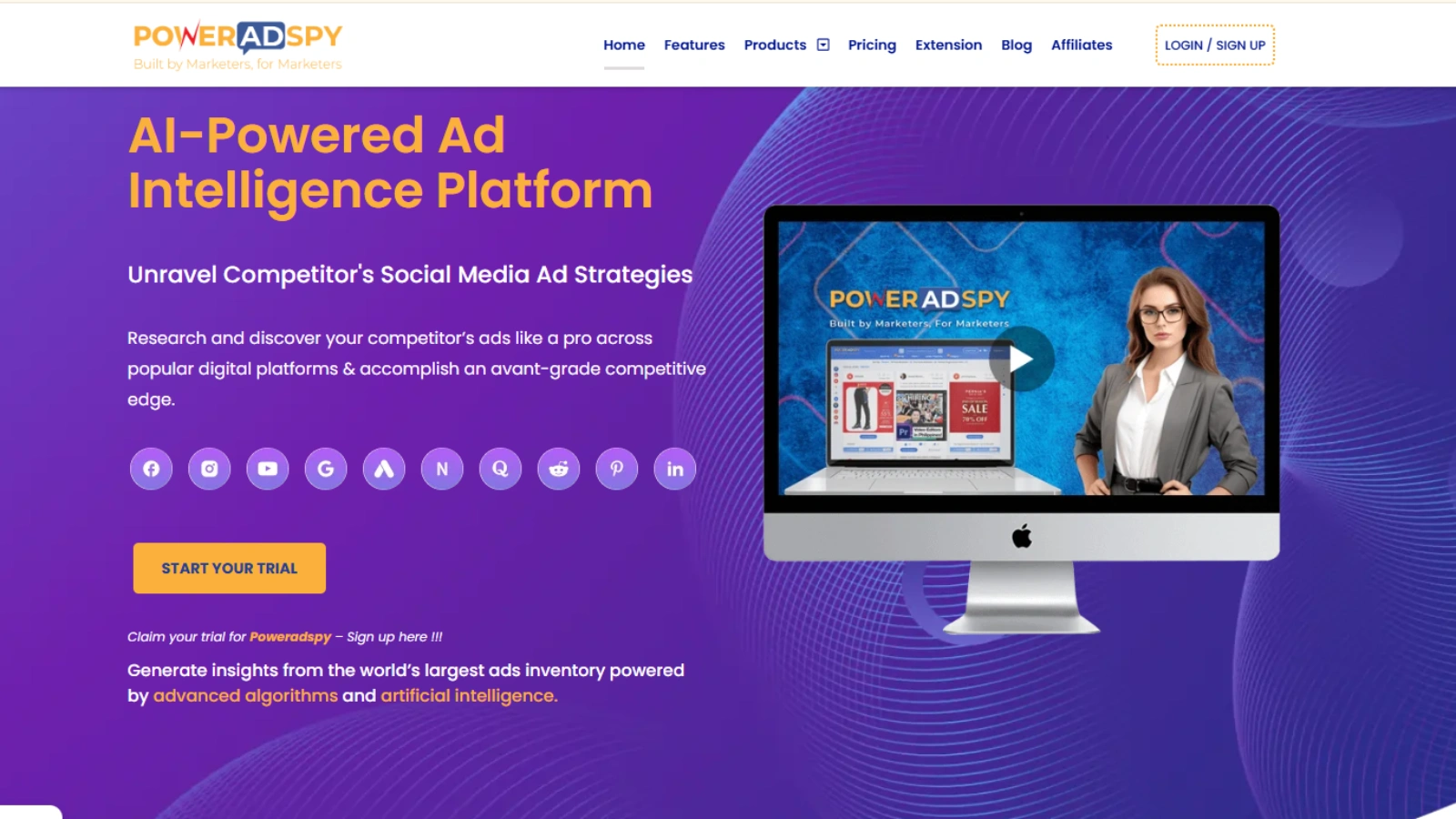 One of Globussoft’s flagship products, PowerAdSpy, plays a key role at the top of the advertising funnel. It is built to support ad discovery and competitive research, helping marketers understand what works before launching or scaling campaigns.
PowerAdSpy helps advertisers:
- Discover live and previously run ads from competitors across platforms such as Facebook, Instagram, Google, YouTube, and more
- Analyze ad creatives based on engagement signals, placement types, formats, and audience response
- Identify which visuals, messaging styles, and formats resonate most within a specific niche
- Refine campaign direction by filtering ads using keywords, industries, locations, and engagement types
- Reduce planning time by drawing inspiration from proven ad strategies instead of starting from scratch
By offering visibility into real advertising activity, PowerAdSpy helps marketers make informed creative and strategic choices early in the campaign lifecycle. This insight supports stronger awareness efforts and sets a solid foundation for later optimization and conversion-focused stages.
Together, Globussoft and PowerAdSpy provide advertisers with the tools needed to approach advertising with structure, insight, and purpose, making every campaign decision more informed and intentional.
Who Benefits Most From This Approach?
Independent advertisers gain clarity without needing large teams. In-house marketers benefit from accountability and clearer reporting. Agencies managing multiple clients rely on consistency and scalability. Across all these roles, ad intelligence supports smarter planning and reduces uncertainty, making outcomes easier to predict and improve.
The shared advantage lies in control. When advertisers understand why results happen, they can repeat success instead of chasing it. This understanding also helps avoid common pitfalls that emerge when insight is missing.
Read More!
Competitive Ad Intelligence: Stay Ahead in Digital Marketing
The Cost Of Operating Without Clear Insight
 Campaigns run without structured analysis often rely on delayed feedback. By the time issues appear in reports, opportunities have passed. Budget waste grows quietly, and creative fatigue sets in unnoticed. Without ad intelligence, advertisers may mistake activity for progress and struggle to explain results to stakeholders.
Recognizing these risks reinforces the value of adopting a more informed approach. As advertising channels continue to expand, the ability to connect data to decisions becomes less optional and more essential.
Build Toward Sustainable Advertising Results
Long-term success depends on consistency, not isolated wins. Advertisers who rely on structured insight develop strategies that evolve with audience behavior rather than react to it. By using ad intelligence, they create campaigns that improve steadily and remain adaptable as conditions change.
The real advantage lies in confidence. Decisions feel grounded, performance becomes measurable, and growth follows a clearer path. In an environment where attention is fragmented and expectations are high, the ability to understand and act on data remains one of the most reliable drivers of advertising success.
Frequently Asked Questions
- How can advertisers measure success beyond clicks and impressions?
True performance goes beyond surface metrics. Advertisers should track outcomes like conversion quality, post-click behavior, and revenue impact to understand whether campaigns contribute to real business goals rather than short-term engagement. - Is advanced advertising analysis useful for smaller teams or solo marketers?
Yes. Even small teams benefit from structured insights because they help prioritize effort and reduce wasted spend. Using tools such as ad intelligence software can simplify decision-making and remove the need for constant manual checks. - How often should campaign data be reviewed for meaningful improvements?
Data should be reviewed regularly, but not obsessively. Daily checks help catch early issues, while weekly and monthly reviews are better suited for identifying trends and making strategic adjustments. - Why is mobile performance often evaluated separately from desktop campaigns?
User behavior differs significantly across devices. Screen size, interaction patterns, and intent vary on mobile, which is why mobile ad intelligence plays an important role in understanding how ads perform in mobile-first environments. - Can advertising insights help with long-term planning, not just active campaigns?
Absolutely. Historical performance data helps advertisers forecast trends, refine targeting strategies, and plan future campaigns with greater accuracy, leading to more stable and predictable results over time.

Quick Search Our Blogs
Type in keywords and get instant access to related blog posts.


 +91 8767115115