 India
India  UK
UK USA
USA 
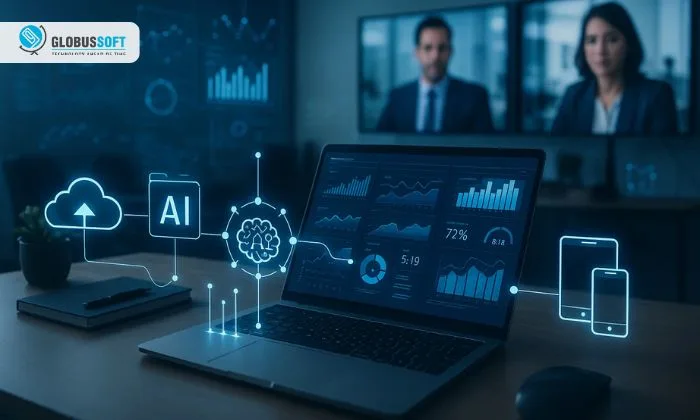
The modern business landscape is undergoing a dramatic transformation, driven largely by workplace technology that’s changing how we work, communicate, and deliver results. For many organizations, these innovations are no longer optional, they are essential To Boost HR Management For Workplace Efficiency and maintain a competitive edge.
From small start-ups to Fortune 500 companies, businesses are discovering that the right technological tools can mean the difference between thriving and merely surviving in today’s fast-moving environment. This shift isn’t about chasing trends or adopting flashy software, it’s about fundamentally rethinking how businesses operate and how teams collaborate to achieve measurable outcomes.
The pace of change has accelerated dramatically over the past few years. What once seemed like futuristic concepts are now everyday realities in offices around the world. Video conferencing has replaced countless in-person meetings, cloud-based platforms have made file cabinets obsolete, and artificial intelligence is handling tasks that once demanded hours of manual human effort.
Listen To The Podcast Now!
The Evolution of Modern Business Operations:
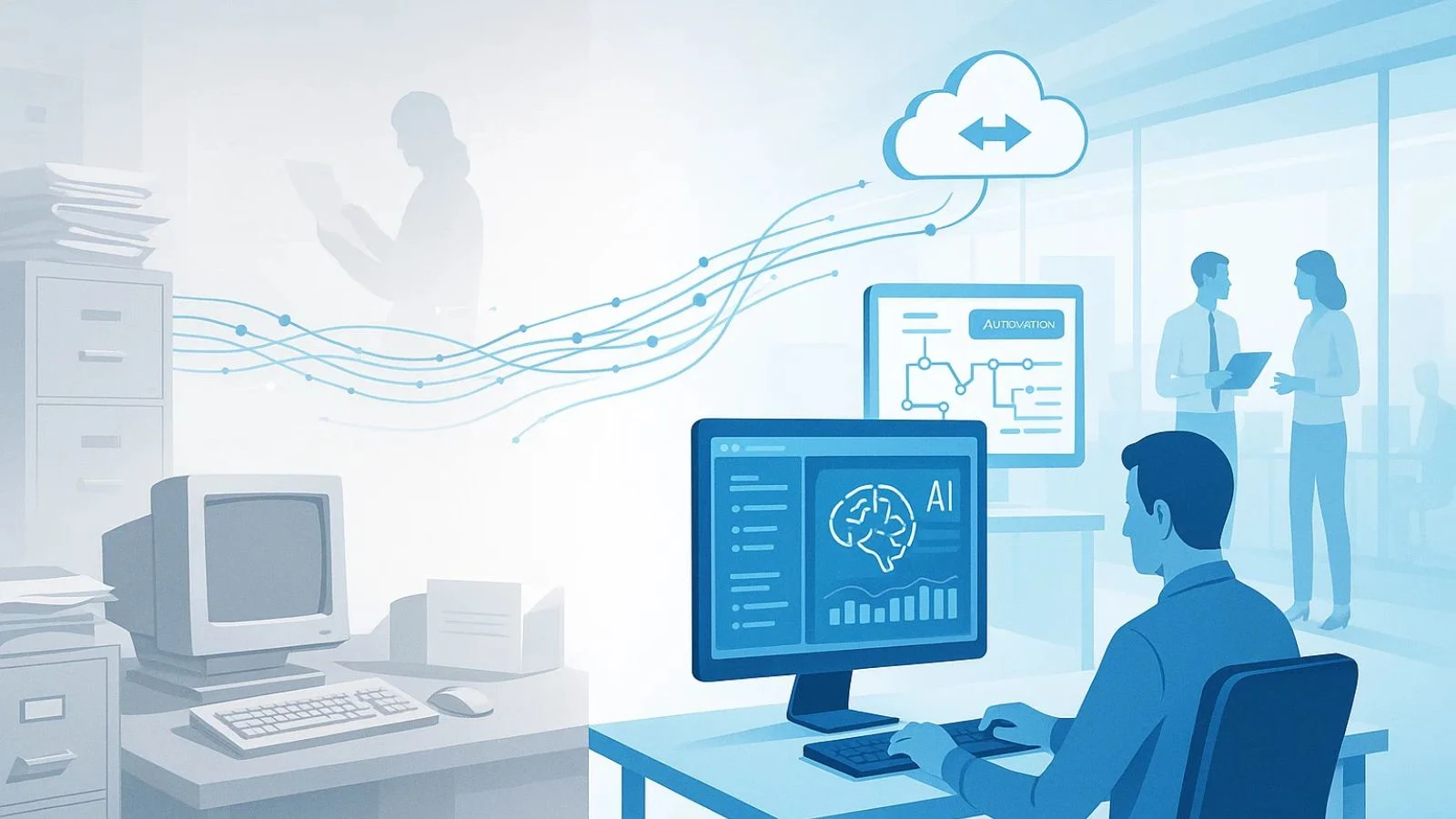
Remember when “going digital” meant having a company website and email addresses? Those days feel like ancient history now.
Today’s workplace technology encompasses everything from sophisticated project management platforms to AI-powered analytics tools that can predict market trends before they happen.
The transformation we’re witnessing goes far deeper than surface-level changes. Businesses are restructuring their entire operational frameworks around technology. Decision-making processes that once took weeks now happen in real-time, thanks to instant access to data and collaborative tools that keep teams connected regardless of location.
This evolution has been particularly evident in how companies handle their core processes. Manual data entry, paper-based approval systems, and disconnected departments are giving way to integrated ecosystems where information flows seamlessly across the organization.
Key Areas Where Technology is Making an Impact:
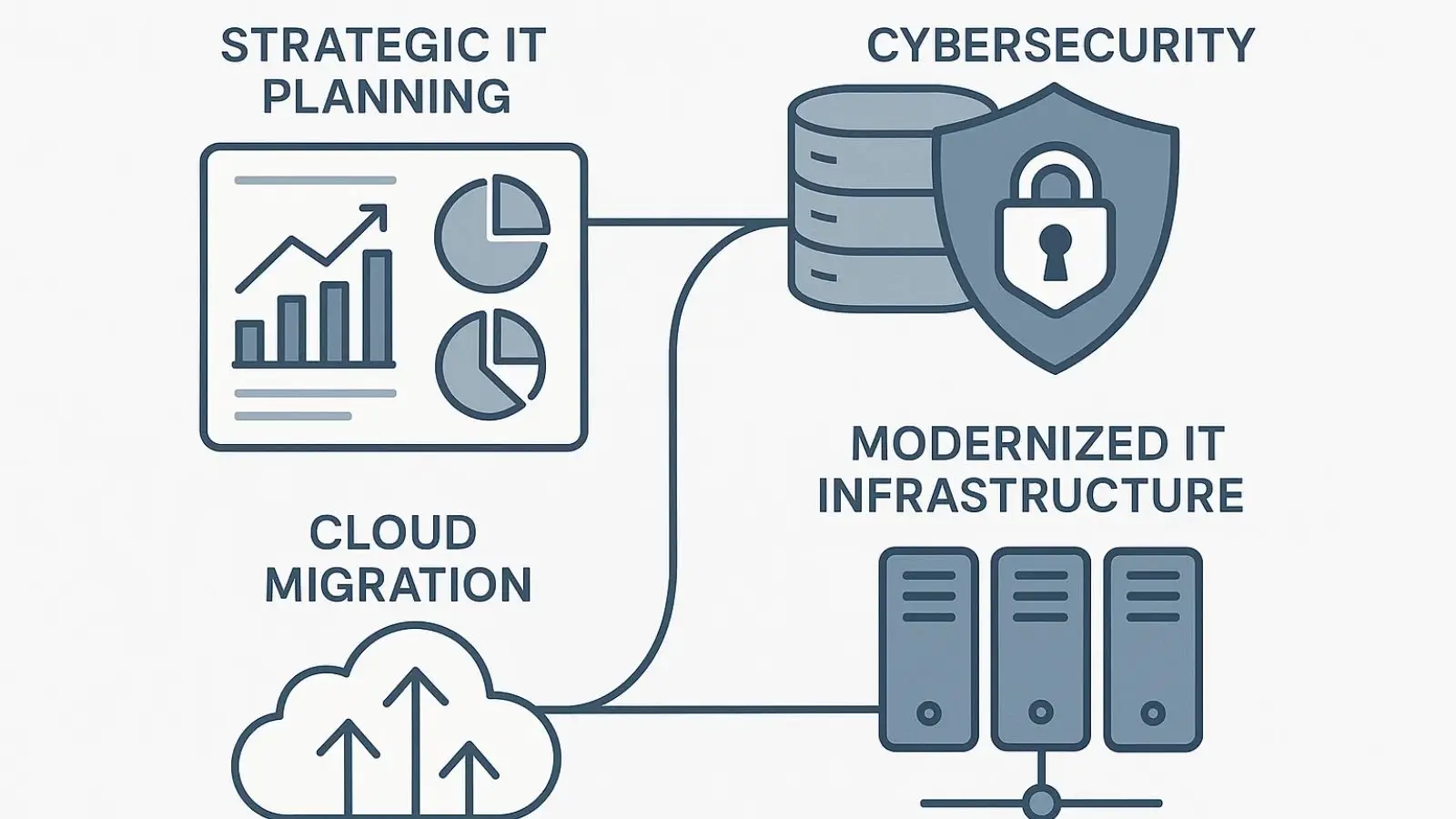
1. Communication and Collaboration:
The way teams communicate has been completely revolutionized. Gone are the days when collaboration meant everyone needed to be in the same room.
Modern platforms enable real-time collaboration across continents, with features like instant messaging, video calls, and shared digital workspaces that make distance irrelevant.
These tools have done more than just facilitate communication; they’ve democratized it. Junior team members can now contribute ideas directly to senior leadership without navigating layers of hierarchy.
Cross-functional teams can form and dissolve as projects require, bringing together the right expertise at the right moment.
2. Data Management and Analytics:
Information is the lifeblood of modern business, and workplace technology has transformed how organizations collect, store, and analyze data. Cloud-based systems provide secure, accessible repositories for company information, while analytics tools turn raw data into actionable insights.
Companies can now track performance metrics in real-time, identify trends as they emerge, and make data-driven decisions with confidence. This capability has shifted business strategy from intuition-based to evidence-based, reducing risk and improving outcomes.
3. Process Automation:
One of the most significant impacts of implementing new technology in the workplace has been the automation of repetitive tasks. From automated invoice processing to AI-powered customer service chatbots, businesses are freeing up human workers to focus on higher-value activities that require creativity, critical thinking, and emotional intelligence.
Automation in workforce management has particularly transformed how companies handle scheduling, time tracking, and resource allocation.
What once required dedicated administrative staff can now be handled by intelligent systems that optimize schedules, predict staffing needs, and ensure compliance with labor regulations, all while reducing errors and saving time.
The Remote Work Revolution:
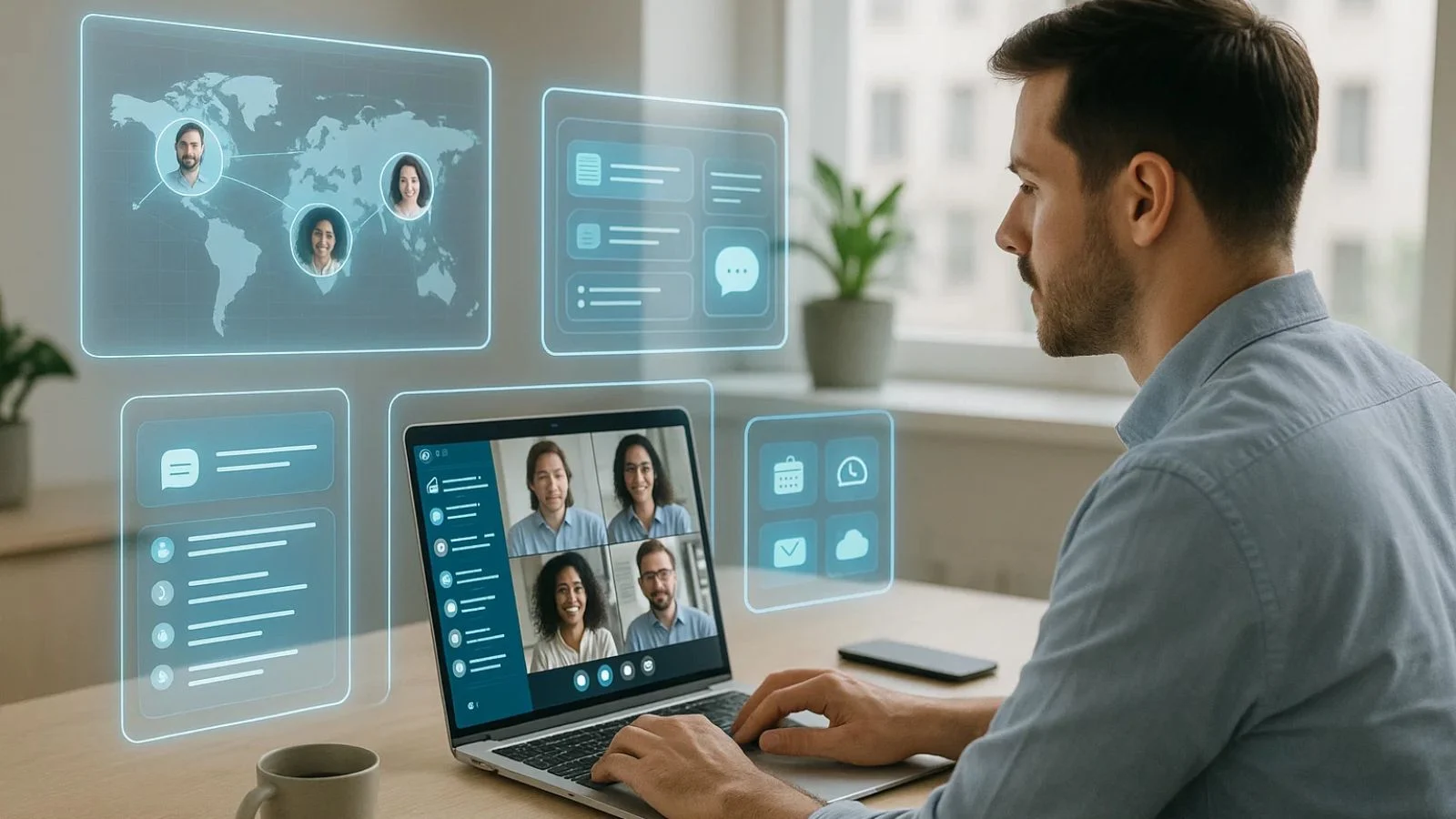
The relationship between technology and the workplace has been most dramatically illustrated by the rise of remote work.
Remote workplace technology has made it possible for millions of people to work effectively from anywhere, breaking the traditional connection between productivity and physical office presence.
Video conferencing platforms, virtual private networks, cloud-based applications, and collaborative tools have created virtual offices that rival their physical counterparts in functionality. Teams spread across different time zones can work together seamlessly, maintaining productivity and cohesion despite the distance.
This shift has forced businesses to rethink not just where work happens, but how it’s managed and measured. Results and outcomes have become more important than hours logged in an office, leading to more flexible and employee-friendly work arrangements.
Building a Connected Culture:
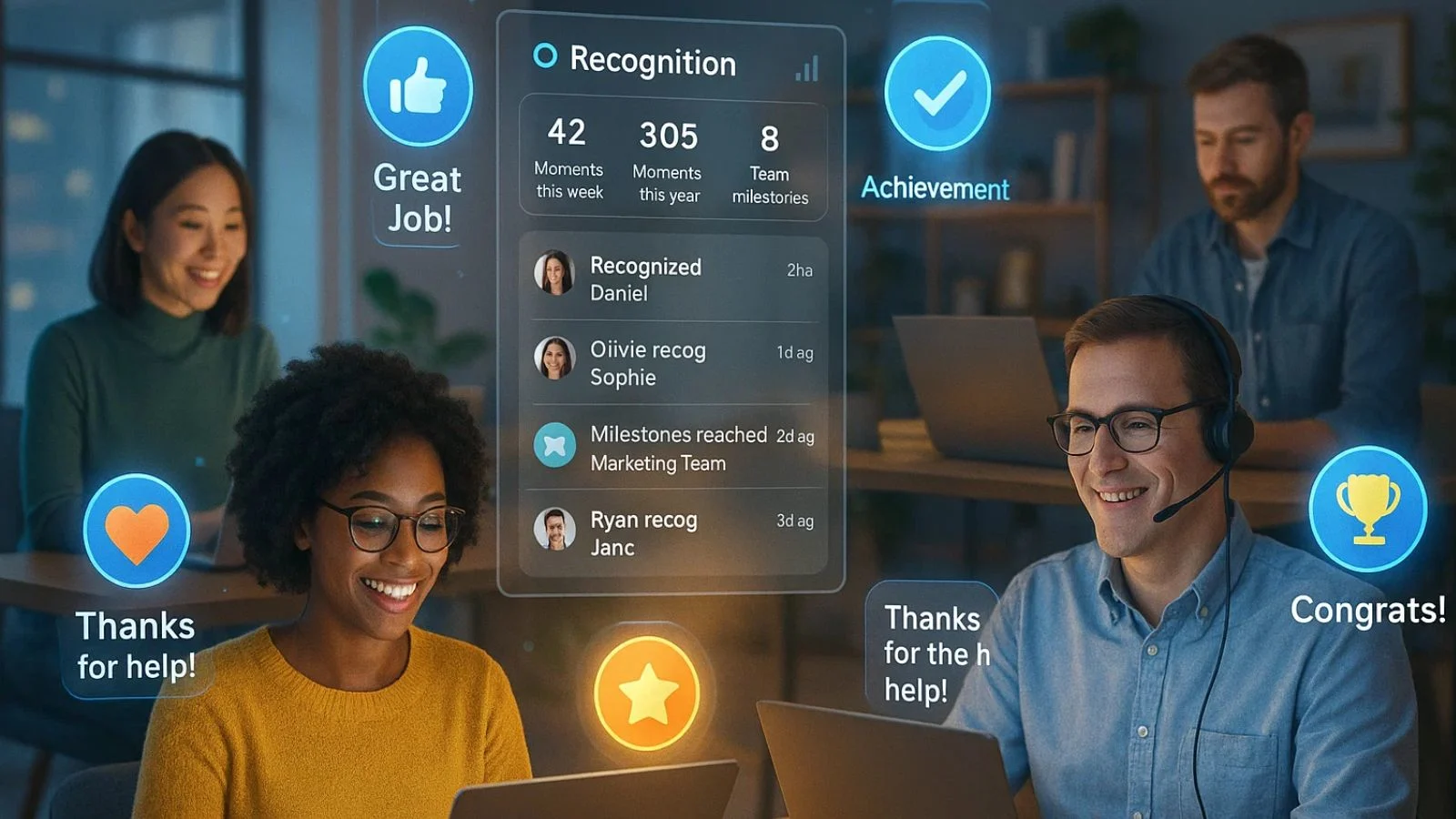
Workplace technology isn’t just about efficiency and productivity; it’s also about creating connections between people. Employee recognition systems have emerged as powerful tools for building positive workplace cultures, even in distributed environments.
These platforms enable managers and peers to acknowledge contributions, celebrate achievements, and reinforce company values in real-time.
The impact on morale and engagement can be substantial, especially in remote or hybrid settings where casual recognition moments don’t happen naturally.
Modern recognition systems often integrate with other workplace tools, making appreciation a natural part of the workflow rather than a separate activity. This integration helps create a culture where recognition becomes habitual rather than exceptional.
Overcoming Implementation Challenges:
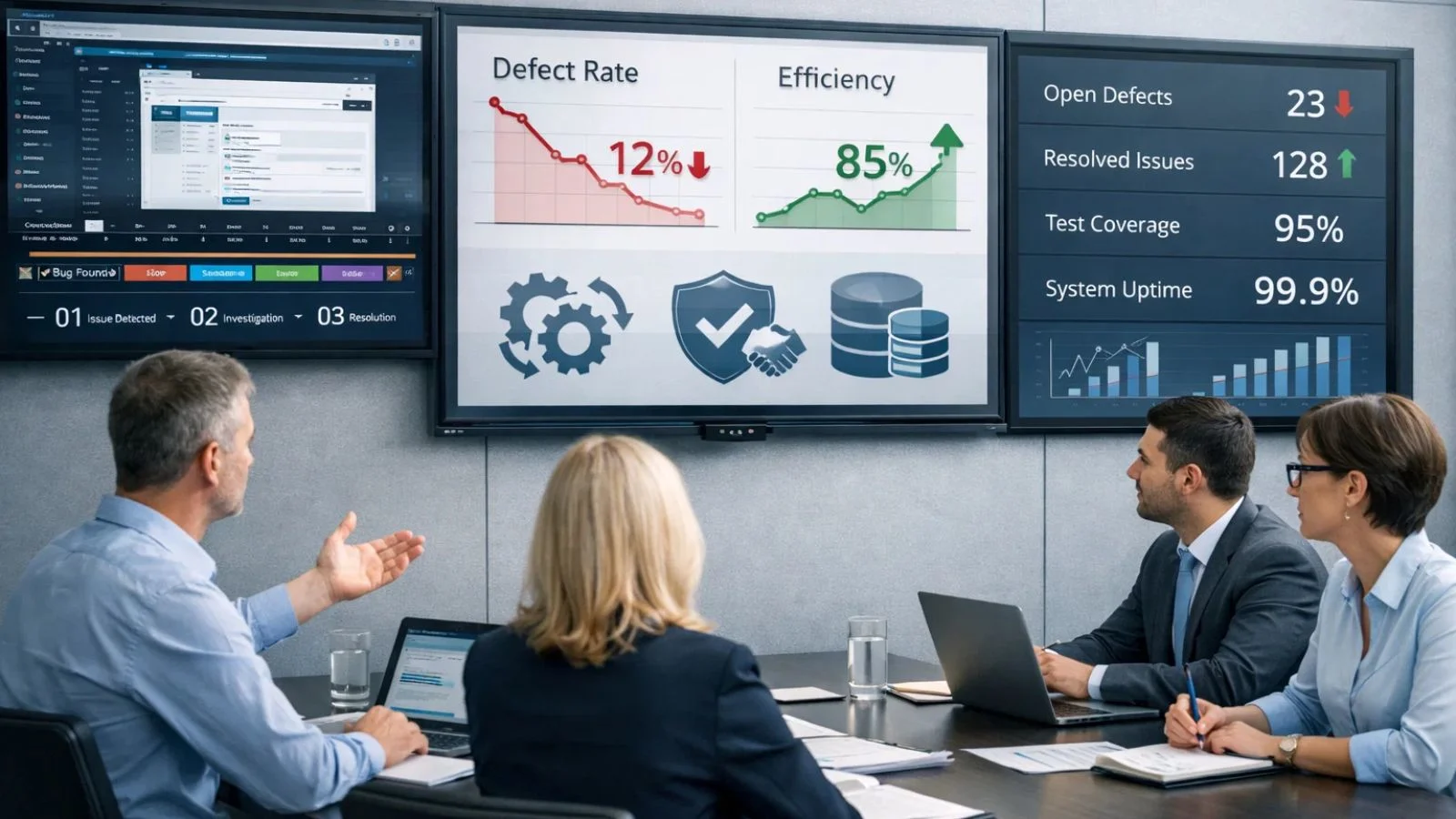
Despite the clear benefits, many organizations struggle with tech in the workplace. Common challenges include resistance to change, integration issues with existing systems, training requirements, and concerns about security and privacy.
Success requires more than just purchasing the right software. It demands a strategic approach that considers organizational culture, employee needs, and long-term goals.
Companies that take time to involve employees in decision-making, provide adequate training, and clearly communicate the benefits tend to see much higher adoption rates and better outcomes.
Change management becomes crucial during technology transitions. Employees need to understand not just how to use new tools, but why they matter and how they’ll make work easier or more meaningful.
Also Read:
How Globussoft AI Enhances Workplace Technology?
In today’s rapidly evolving business environment, having the right technological partner can make all the difference. Globussoft AI represents a new generation of workplace solutions designed to address the complex challenges modern businesses face.
What sets Globussoft AI apart is its ability to integrate seamlessly with existing workplace technology while adding powerful AI-driven capabilities. The platform understands that businesses don’t need another disconnected tool, they need intelligent solutions that enhance their entire technology ecosystem.
Globussoft AI excels in areas where traditional workplace technology often falls short. Its advanced analytics capabilities can identify patterns and insights that humans might miss, helping businesses make smarter decisions faster.
The platform’s automation features go beyond simple task execution, using machine learning to continuously improve processes and adapt to changing business needs.
For companies managing remote or hybrid teams, Globussoft AI provides sophisticated coordination tools like EmpCloud that keep everyone aligned and productive. The platform’s intuitive interface means teams can start benefiting from AI capabilities without extensive training or technical expertise.
Most importantly, Globussoft AI also strengthens your marketing efforts with intelligent, data-driven solutions. Globussoft has delivered tools like PowerAdSpy deliver deep ad intelligence by uncovering winning campaigns, competitors’ strategies, and trending creatives across platforms, while AdsGPT simplifies ad creation using generative AI to craft high-converting copy in minutes.
Together, these solutions help businesses reduce guesswork, improve operations, and support growth at every stage.
Measuring the Impact of Technology Adoption:
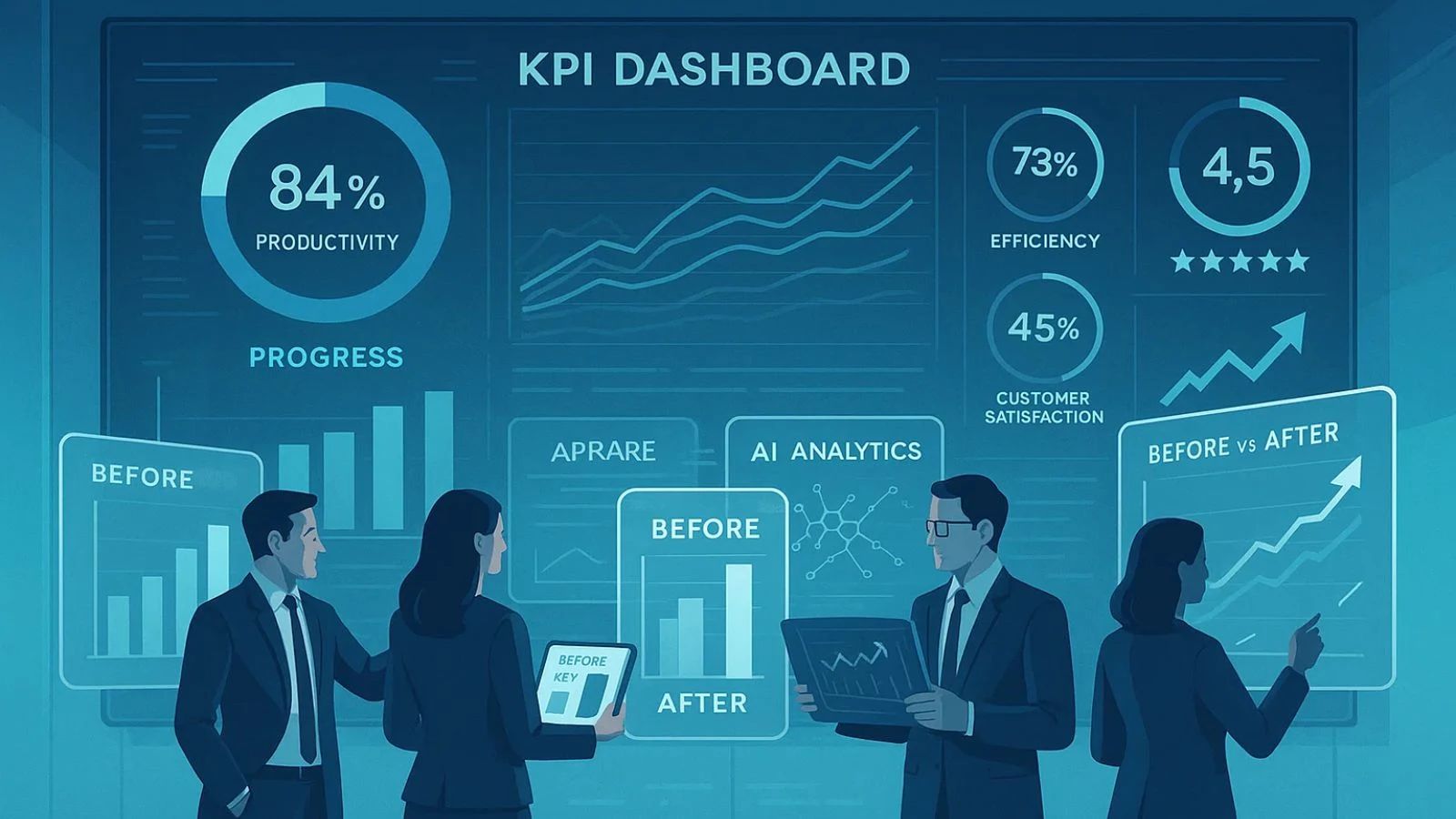
The true value of workplace technology lies in measurable business outcomes. Organizations that successfully implement modern tools typically see improvements across multiple metrics: increased productivity, reduced operational costs, faster decision-making, improved employee satisfaction, and enhanced customer experiences.
However, measuring these impacts requires careful planning and the right metrics. Companies need to establish baseline measurements before implementation and track relevant KPIs consistently afterward.
The specific metrics will vary by organization and objective, but might include things like project completion times, error rates, employee engagement scores, or customer satisfaction ratings.
The most successful organizations view workplace technology as an ongoing investment rather than a one-time purchase. They regularly assess which tools are delivering value, which need optimization, and where new opportunities for technological enhancement exist.
Looking Ahead: The Future of Workplace Technology:
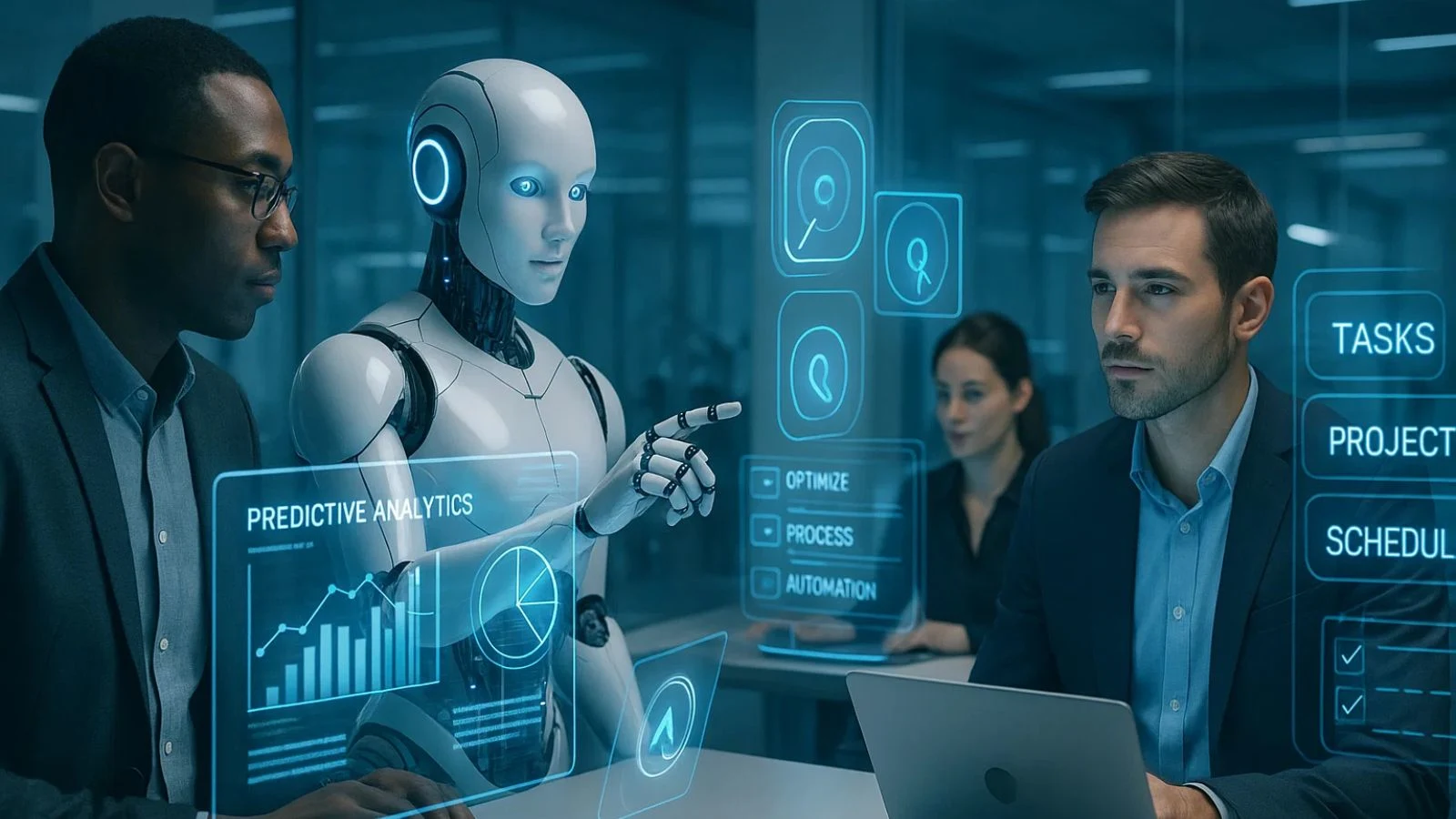
The transformation we’ve seen so far is just the beginning. Artificial intelligence, machine learning, augmented reality, and other emerging technologies promise to reshape workplace technology even further in the coming years.
We’re moving toward increasingly intelligent systems that don’t just execute commands but anticipate needs, offer suggestions, and learn from experience.
The workplace of the future will likely be characterized by seamless human-AI collaboration, with technology handling routine tasks while humans focus on strategy, creativity, and relationship-building.
This future requires businesses to maintain a forward-looking perspective, staying informed about emerging technologies while remaining focused on fundamental business objectives.
The goal isn’t to adopt every new tool that comes along, but to thoughtfully integrate technologies that genuinely advance organizational goals.
Conclusion:
The impact of workplace technology on modern business operations cannot be overstated. From streamlining daily tasks to enabling entirely new business models, technology has become the foundation upon which successful organizations build their competitive advantage. Companies that embrace this reality and invest thoughtfully in the right tools position themselves for sustained success in an increasingly digital world.
The key is approaching workplace technology strategically, understanding your specific needs, involving your team in the selection process, and choosing solutions that integrate well with your existing systems and culture. When done right, technology doesn’t just change how you work; it transforms what you’re capable of achieving.
FAQ’s:
Q1: What are the most important workplace technologies for small businesses?
Ans: Small businesses should prioritize cloud-based collaboration tools, project management platforms, and communication systems. These foundational technologies enable efficient operations without requiring massive upfront investments.
Q2: How can companies encourage employees to adopt new workplace technology?
Ans: Success comes from involving employees early in the decision process, providing comprehensive training, clearly communicating benefits, and offering ongoing support. Leaders should also model adoption by actively using new tools themselves.
Q3: Is workplace technology only beneficial for remote teams?
Ans: Not at all. While remote work has highlighted certain technologies, workplace technology benefits all organizations by improving efficiency, enabling better decision-making, and streamlining operations regardless of whether teams are remote, in-office, or hybrid.
Quick Search Our Blogs
Type in keywords and get instant access to related blog posts.

 +91 8767115115